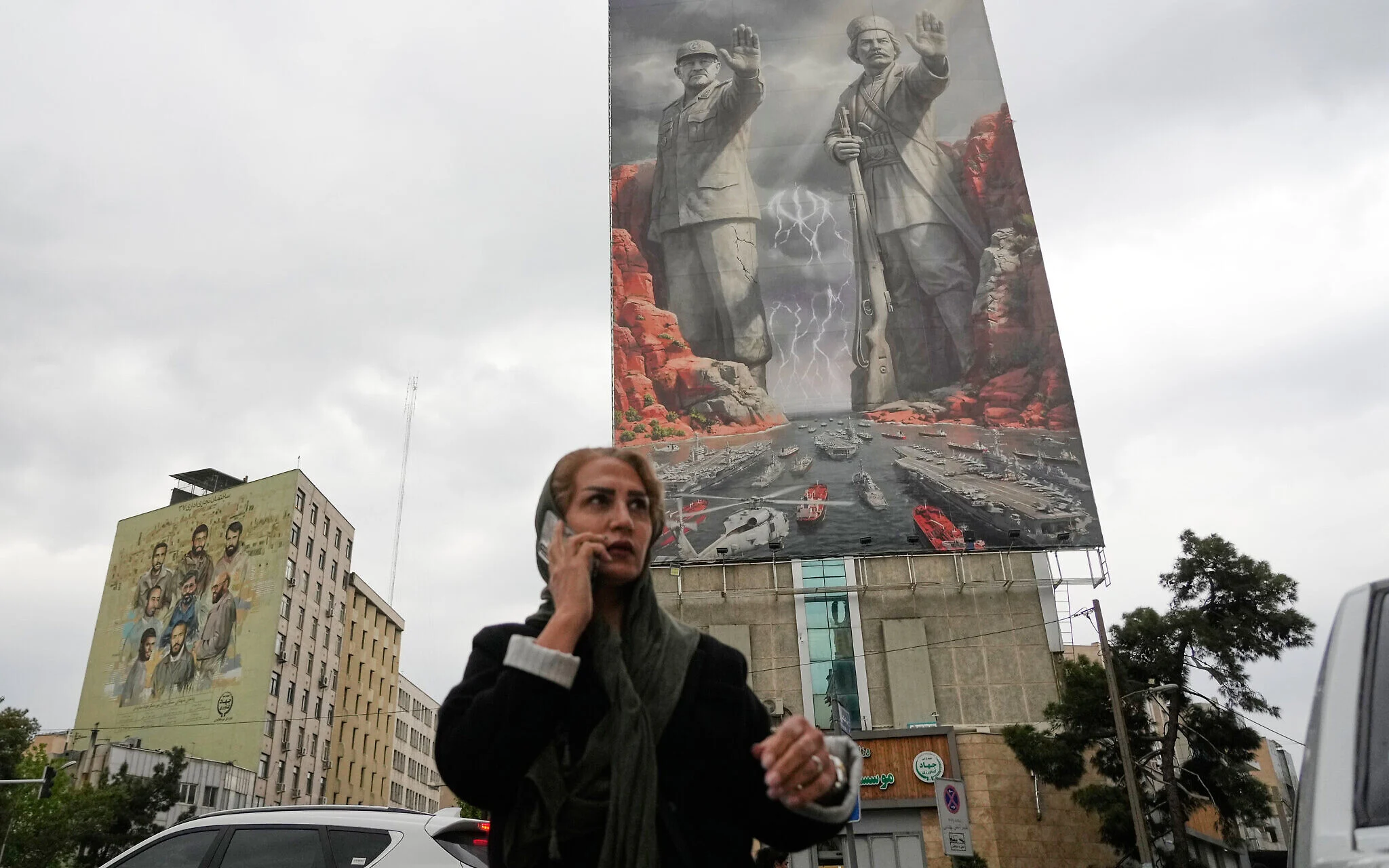
Iran vowed it would not reopen the Strait of Hormuz as long as the United States continues to blockade its ports, in a tense standoff on Thursday that has dominated the ceasefire in the Middle East war.
While strikes around the region have mostly ceased since the truce began, there has been no letup in the pressure around the crucial trade route, with the two sides exercising their economic leverage in a bid to force the other to back down.
With the ceasefire having been due to expire earlier this week, US President Donald Trump announced an indefinite extension at the eleventh hour, to allow more time for peace talks brokered by Pakistan.
Iran said it welcomed the efforts by Pakistan but made no other comment on Trump’s announcement.
“A complete ceasefire only has meaning if it is not violated through a naval blockade,” said Iranian Parliament Speaker Mohammad Bagher Ghalibaf, who led Tehran’s delegation in the first round of talks in Islamabad.
“Reopening the Strait of Hormuz is not possible amid a blatant violation of the ceasefire.”
Oil prices jumped four percent before easing Thursday, as the foes appeared no closer to holding new negotiations.
Trump told the New York Post that talks could resume in Pakistan within two to three days, even though Iran has not confirmed participation and Vice President JD Vance put his travel to Islamabad on hold Tuesday.
IRGC seizes two ships
Iran’s Revolutionary Guards said Wednesday they had forced two ships to the Iranian shore from the Strait of Hormuz, the gateway through which about one-fifth of the world’s oil and gas flowed before the war.
“The Islamic Revolutionary Guard Corps naval force this morning identified and stopped in the Strait of Hormuz two violating ships,” the Guards said in a statement.
They identified the vessels as the Panama-flagged container ship MSC Francesca and the Liberia-flagged Epaminondas. Panama’s foreign ministry confirmed the seizure of the MSC Francesca, calling it a “serious attack on maritime security” and an “unnecessary escalation.”
Two vessels reportedly seized by the IRGC are both operated by MSC
While initial reports suggested they were part of a six-vessel MSC convoy, track analysis conducted by #MarineTraffic analysts indicates it is unlikely they were transiting together with the other four vessels,… pic.twitter.com/1Otru64ual
— MarineTraffic (@MarineTraffic) April 22, 2026
UK-based maritime security monitors confirmed that three commercial vessels had reported incidents involving gunboats in the strait — the two that were seized and another that was attacked but not seized.
CENTCOM announced on X that US forces had since the start of the US blockade of Iran’s ports “directed 31 vessels to turn around or return to port.”
Under orders from Trump, the US Navy is attempting to block vessels heading to or from Iranian ports, seeking to ramp up pressure on the Iranian economy.
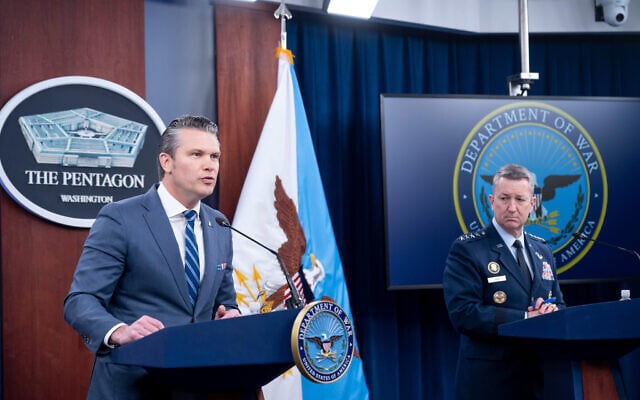
In the midst of the blockade, the Pentagon announced Wednesday that Secretary of the Navy John Phelan would leave his post “immediately.”
It gave no reason for his sudden departure, the latest removal of a senior officer under Trump’s combative Pentagon chief, Pete Hegseth.
The US Defense Department said Tuesday that US forces had intercepted and boarded a “stateless sanctioned” vessel. AFP has identified the ship as one linked to Iranian activity. Both sides accuse the other of ceasefire breaches.