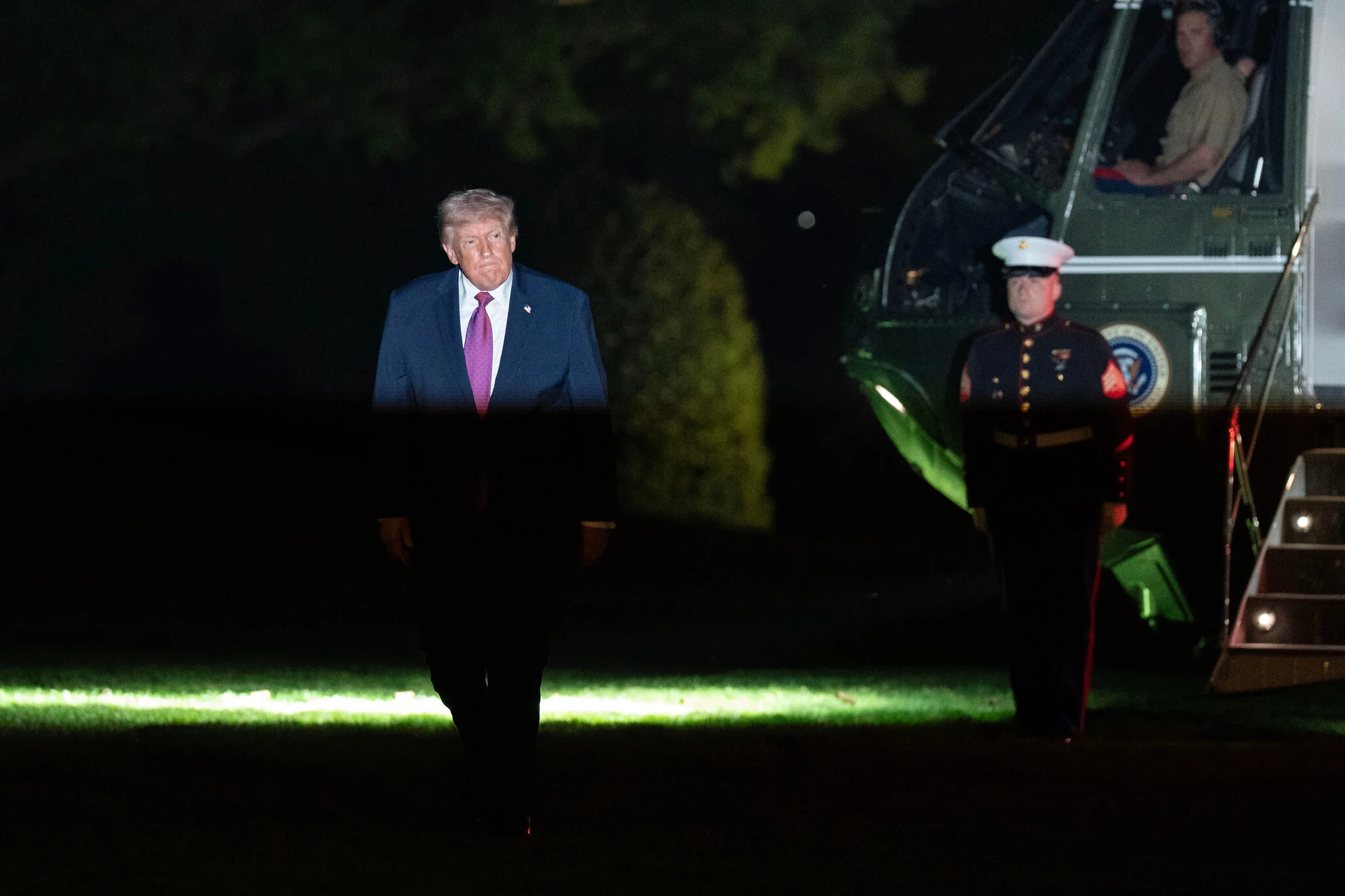
US President Donald Trump said on Monday that he would have “no problem” meeting Iran’s leaders, and projected confidence that peace talks between Washington and Tehran would go ahead on Tuesday, despite Iran refusing to commit to participating.
“I have no problem meeting them,” Trump told the New York Post, regarding Iran’s leadership. “If they want to meet, and we have some very capable people — but I have no problem meeting them.”
Iranian officials have repeatedly declined to say whether they will join the negotiations scheduled for Tuesday in Islamabad, with Foreign Ministry spokesman Esmail Baghaei saying earlier Monday that no decision had been made on the question. A previous round of talks in Islamabad earlier this month ended without a deal.
Iranian President Masoud Pezeshkian, meanwhile, encouraged negotiations with the US, even as he said approaching the Americans with mistrust is an “undeniable necessity,” according to the state news agency IRNA. Pezeshkian said the US blockade showed that Washington was moving toward “repeating previous patterns and betraying diplomacy,” according to state TV.
The American negotiating team, led by US Vice President JD Vance, was en route to Islamabad, and Trump indicated that the talks would happen.
“We’re supposed to have the talks,” Trump told the Post. “So I would assume at this point nobody’s playing games.”
The talks are slated to take place one day before a two-week ceasefire in the US-Israeli war with Iran is set to expire on Wednesday. Israel, which Pakistan does not recognize, is not represented at the talks.
On Monday, Baghaei demurred as to whether Iran would participate in the talks.
“We have no plans for the next round of negotiation, and no decision has been made in this regard,” he said. Tehran would not change its clearly stated demands, Baghaei added, saying that it did not believe in deadlines or ultimatums when safeguarding national interests.
“While claiming diplomacy and readiness for negotiations, the US is carrying out behaviors that do not in any way indicate seriousness in pursuing a diplomatic process,” he added, calling the US blockade of the Strait of Hormuz and seizure of a ship “clear violations of the ceasefire.”
The maritime conflict between the US and Iran has flared in recent days. Iran shut the Strait of Hormuz and Trump accused the country of committing a “total violation” of the ceasefire by firing on ships there. Trump also previously threatened to destroy every bridge and power plant in Iran unless it agrees to a deal.
On Sunday, the US fired on and seized an Iranian cargo ship as part of its own blockade of Iranian ports, prompting Iran to threaten retaliation.
A senior Iranian source told Reuters the continued US blockade on Iranian ports was undermining the prospect of peace talks, and that Tehran’s “defensive capabilities” — namely its missile program — were not open to negotiation.
Pakistan pushes for talks
Preparations for the talks are underway despite the uncertainty, with Pakistan’s Interior Minister Mohsin Naqvi meeting US Chargé d’Affaires Natalie Baker at the US Embassy in Islamabad on Monday.
Pakistan has intensified diplomatic contacts since Sunday with Washington and Tehran to ensure talks proceed, officials told AP on the condition of anonymity because they were not authorized to speak to the press.
Nearly 20,000 police, paramilitary and army personnel have been deployed across the capital, a government and a security official said. Authorities announced road closures and traffic restrictions across the city, as well as in neighboring Rawalpindi.
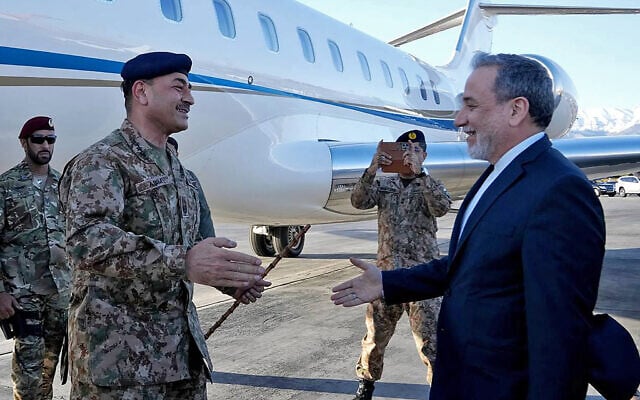
The meeting focused on strengthening Pakistan-US relations and preparations for the second round of talks, Naqvi’s office said. Naqvi briefed Baker on security arrangements, saying special measures had been taken to ensure the safety of visiting delegations.
“We have made comprehensive security arrangements for our distinguished guests,” Naqvi said in the statement.
Baker offered appreciation for Pakistan’s role in easing regional tensions and efforts to facilitate dialogue.
Two Pakistani officials said Iran had expressed a willingness to send a delegation to Islamabad. They all spoke on condition of anonymity because they were not authorized to speak to the press.
Speaking to Reuters later on Monday, a senior Iranian official said Tehran was “positively reviewing” its participation but reiterated that no final decision had been made.