

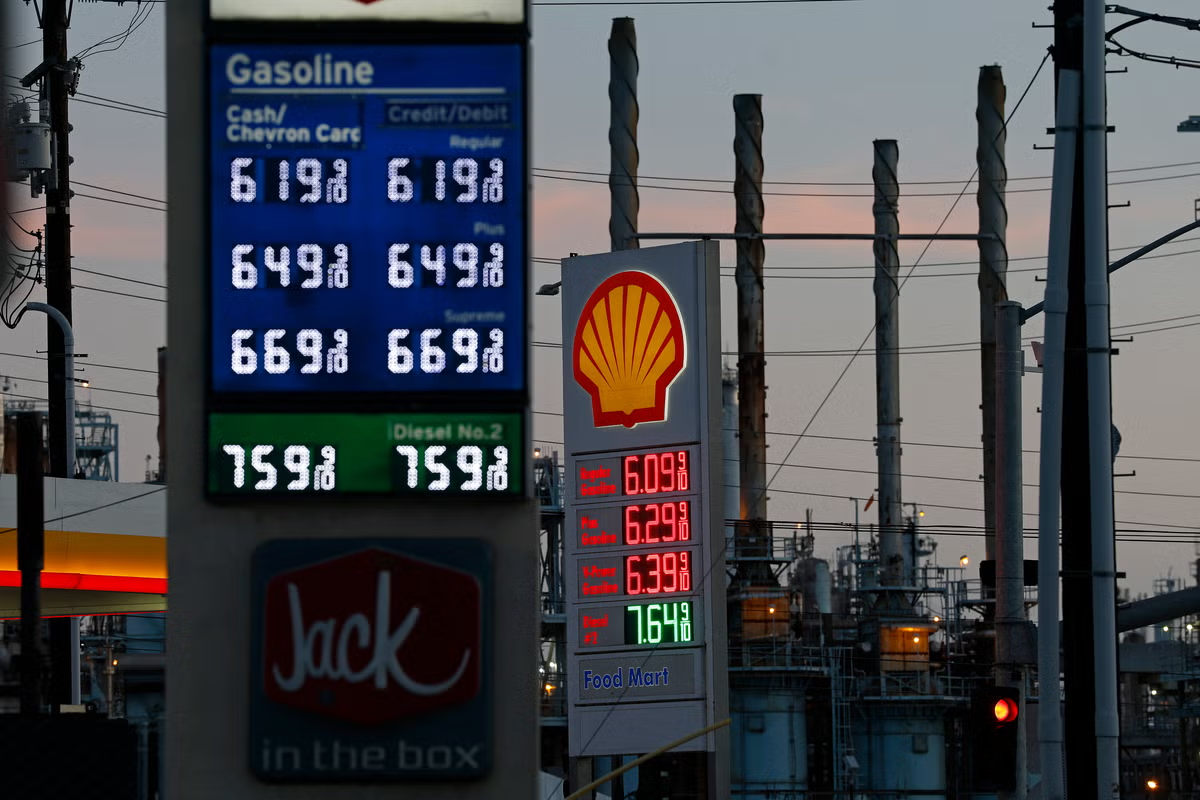
More than half of registered voters surveyed by Quinnipiac University said they blame President Donald Trump “a lot” for gas prices rising recently.
In a poll of 1,028 registered voters, approximately 51 percent of respondents said the president is mostly to blame, while 14 percent said they blame Trump “some” for fluctuating gas prices largely been attributed to oil production disruptions from the Iran war.
Earlier this month, the national average for a gallon of regular gas exceeded $4 per gallon for the first time since 2022, according to AAA. While Trump has assured Americans prices will only go up temporarily, Energy Secretary Chris Wright seemed uncertain that prices could fall under $3 anytime soon.
Despite prices being directly attributed to the war, which the U.S. and Israel started at the end of February with coordinated attacks on Iran, the blame game largely falls along party lines.
While 91 percent of Democratic voters place “a lot” of blame on Trump, only 9 percent of Republican voters say the same, meanwhile, 53 percent of Republican voters say they don’t blame Trump at all.
Most independent voters say they blame Trump “a lot” or “some” for rising gas prices.
Trump campaigned on lowering gas prices for voters by “unleashing American energy.” The national average of regular per gallon was around $2.81 in January; however, that didn’t last long because Trump launched attacks on Iran and the country retaliated with disruptions in the Strait of Hormuz.
The critical waterway serves as a passage for roughly 20 – 25 percent of the world’s oil and liquefied natural gas. An inability to pass through has led to fears of gas shortages, pushing global oil prices up.
Regardless of how voters feel now, it’s clear the cost of gas is a concern at the top of mind for many Americans heading into the 2026 midterm elections.
In a March Pew Research Center survey of 3,000 adults, 69 percent of respondents said they were “extremely” or “very” concerned the Iran war would cause higher oil and gas prices.
Should gas prices remain relatively high through the summer and heading into the fall, voters who cast their ballot for Trump in 2024 could abandon the Republican’s platform in the midterms. Some GOP lawmakers are fearful of their chances of keeping their party in power
Republican Rep. Tom Barrett of Michigan told the New York Times this month that oil prices would come down once the conflict ended.
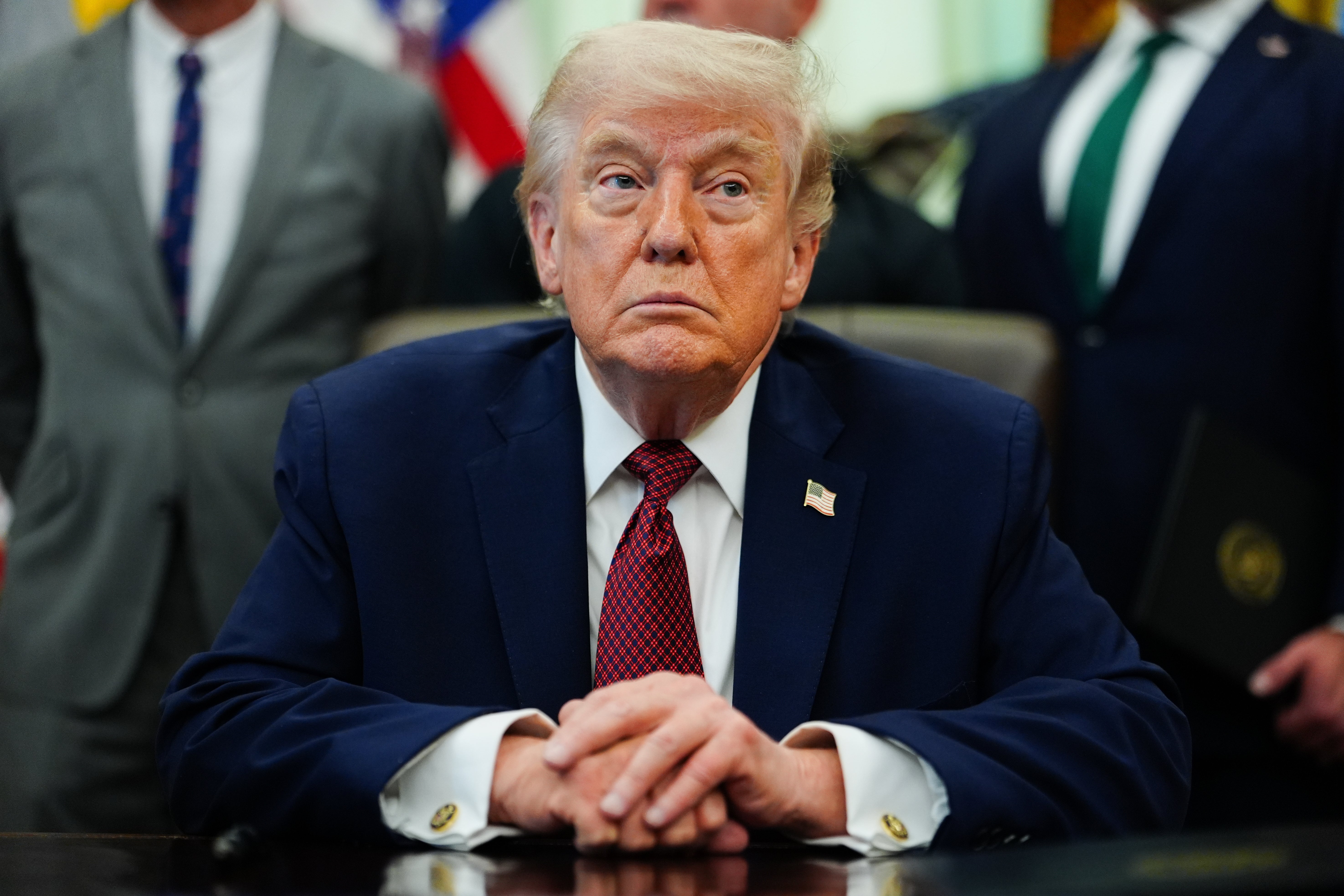
“I am hopeful that we can bring this to a close in the next few weeks,” Barrett said. “Once there is stability in the region, oil prices and subsequently gas prices will come down, while Americans will be safer because we’ve neutralized one of our most determined enemies.”
But how long that may take is unclear.
Trump initially insisted the military operation would only last four to five weeks, but eight weeks in, neither side has been able to agree on terms for a peace deal that would prevent Iran from building a nuclear weapon and allow global oil trade to resume undisturbed.
Most Republican and Democratic voters agree that the conflict is likely to continue for months, with 36 percent of Quinnipac poll respondents predicting “months” of war.
Roughly 13 percent of registered voters said it could take “about a year,” while 19 percent said it could take even longer than a year.
🚨 BREAKING: Watch the full clip here ➤

