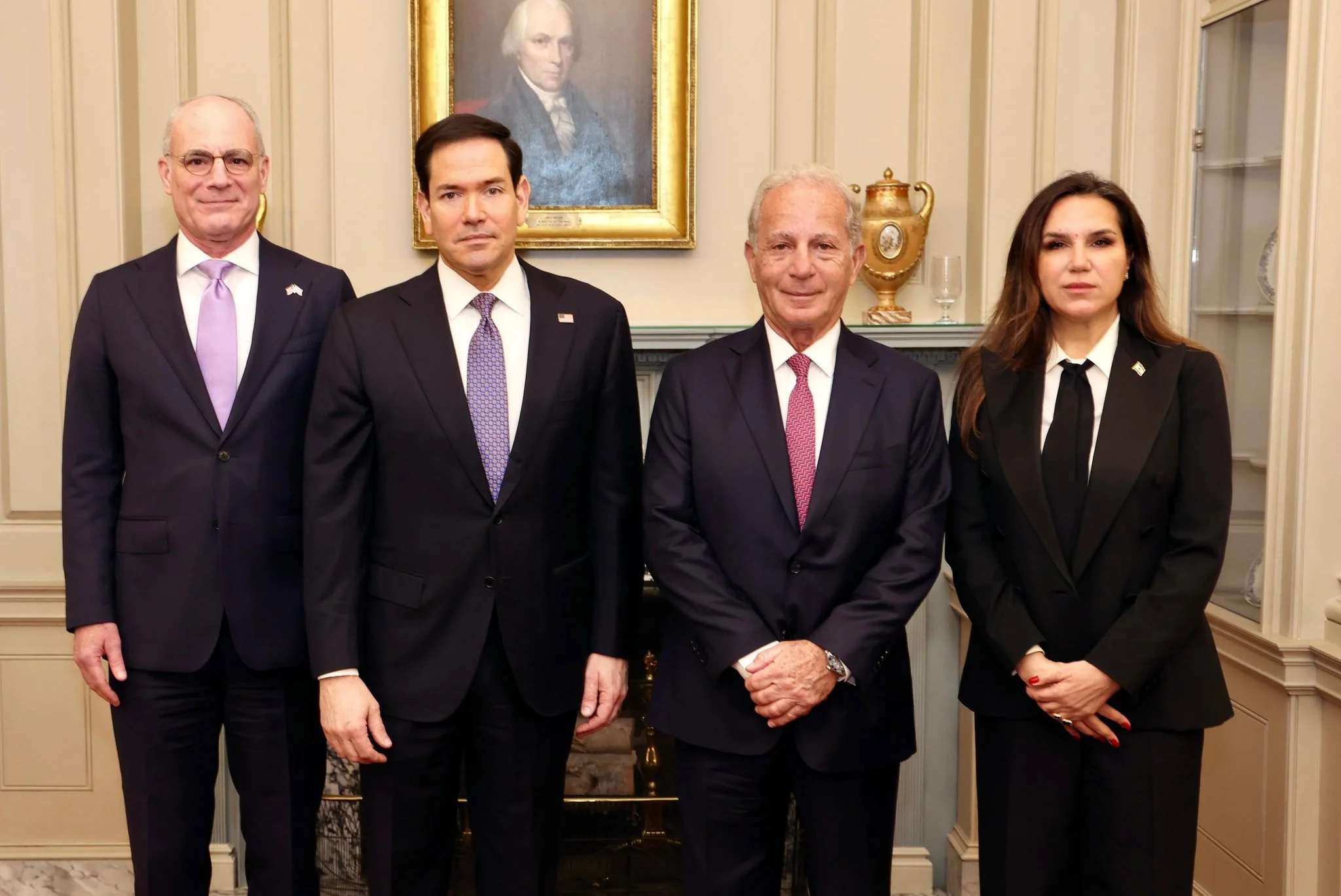
A second round of direct talks between Israel and Lebanon will take place on Thursday, an Israeli and a US official tell The Times of Israel on Monday.
The meeting, the official said, will take place at the State Department in Washington, and will include staffers from the Israeli, Lebanese, and US sides. Israel will be represented by its envoy to the US, and Lebanon by its former ambassador to Washington, Simon Karam.
“The United States welcomes the productive engagement that began on April 14,” a State Department official told The Times of Israel, confirming that the US will host a second round of talks on Thursday. “We will continue to facilitate direct, good-faith discussions between the two governments.”
Last Tuesday, Leiter and Lebanon’s current envoy in the US, Nada Hamadeh Moawad, met for roughly two hours, marking the highest-level direct talks to date between Israeli and Lebanese officials. The talks were mediated by US Secretary of State Marco Rubio and other American diplomats.
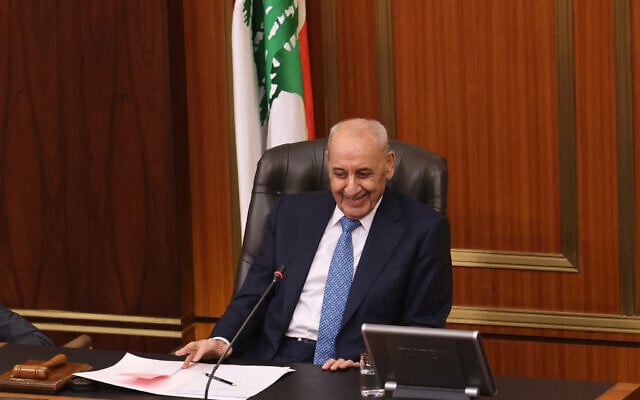
Thursday’s talks will take place days before a 10-day ceasefire between Israel and the Lebanese terror group Hezbollah is set to expire. But Lebanese Parliament Speaker Nabih Berri said on Monday, following a meeting with US Ambassador to Lebanon Michel Issa, that the US was making an effort to extend the truce, according to the Asharq al-Awsat outlet.
A lawmaker for Hezbollah, which is backed by Iran and is sworn to Israel’s destruction, castigated the direct talks and vowed to continue “resistance” against Israeli troops’ presence in the south of the country. He also vowed that his terror group would not lay down its weapons, something both Israel and the Lebanese government have demanded.
In an interview with AFP, Hezbollah lawmaker Hassan Fadlallah said, “We will bring down this yellow line through the resistance,” meaning military action. The “yellow line” refers to the parts of Lebanon that Israel controls.
“The attempt by the Israeli army to establish a buffer zone, under the title of a defensive line, a yellow line, a green line, and a red line,” he added, “all these lines will be broken, and we will not accept any of them.”
Fadlallah also vowed that “no one in Lebanon or abroad will be able to disarm the resistance.”
But Lebanese President Joseph Aoun stood by the negotiations, saying he hoped they would “save” his country.
“Lebanon is facing two options: either the continuation of the war, with all its humanitarian, social, economic, and sovereign repercussions, or negotiations to put an end to this war and achieve lasting stability,” he said. “I have chosen negotiations, and I am full of hope that we will be able to save Lebanon.”
Aoun said that the talks with Israel are separate from US negotiations with Iran, and are meant to stop Israeli operations, end the Israel Defense Forces’ presence in Lebanon, and allow the Lebanese Armed Forces to deploy along the border.
He stressed that Lebanon’s negotiating team will be headed by Karam, who will not be replaced — a reference to domestic fights over the makeup of the country’s delegation. Karam represented Lebanon when Lebanese and Israeli officials met in the border town of Naqoura in December.
US President Donald Trump expressed support for Lebanon’s aims in a Thursday phone call, said Aoun. He did not indicate whether he was planning to meet with Trump or Prime Minister Benjamin Netanyahu in the near future.
Aoun’s moves on Monday came after a forceful address to the nation Friday night in which he said, “We negotiate for ourselves… We are no longer a pawn in anyone’s game, nor an arena for anyone’s wars, and we never will be again.”
Hezbollah began attacking Israel on March 2, days after the beginning of the US-Israeli war with its sponsor Iran. Israel responded with heavy airstrikes and by expanding its troops’ presence deeper into Lebanon.
Conflict has simmered since the ceasefire took effect on Friday. Two IDF soldiers have been killed by Hezbollah explosives, and the IDF has struck Hezbollah, which accuses it of violating the truce.
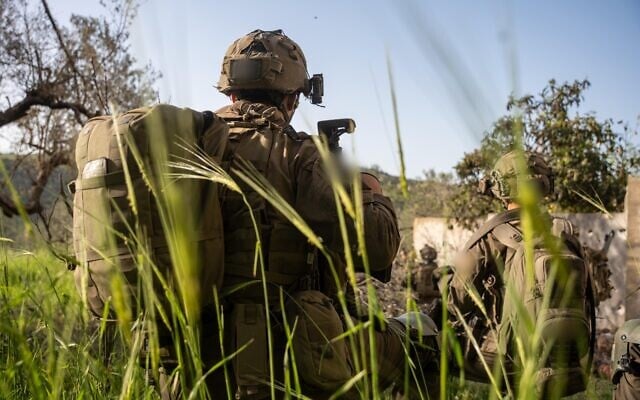
Hezbollah took responsibility for an explosive device that detonated on an IDF armored vehicle in southern Lebanon on Sunday. In a statement, the terror group said that a convoy of eight Israeli armored vehicles driving between Taybeh and Deir Siryan was hit by a “series of explosive devices planted earlier” by its operatives.
The military, in response to a query, confirmed that one armored vehicle was “likely hit by an explosive device,” and that no injuries were caused. It was investigating the incident.
A senior Hezbollah-allied politician said on Monday, meanwhile, that Israeli forces had carried out varying degrees of destruction in 39 villages in southern Lebanon since the ceasefire began.
Ali Hassan Khalil, a top aide to parliament speaker Berri, said the powerful explosions set off by Israeli forces had destroyed civilian homes in the south and that it amounted to “a clear war crime.”
Lebanese Energy Minister Joe Saddi also told Reuters on Monday that a map published by the Israeli military showing a “naval forward defense area” extending from the Lebanese coastline into the sea did not impact the maritime border agreed between the two countries in 2022.
“From a legal point of view, this map doesn’t change anything about the fact that there is a maritime border agreement,” he said. “Very simply, the agreement is in effect and nothing is changing.”