

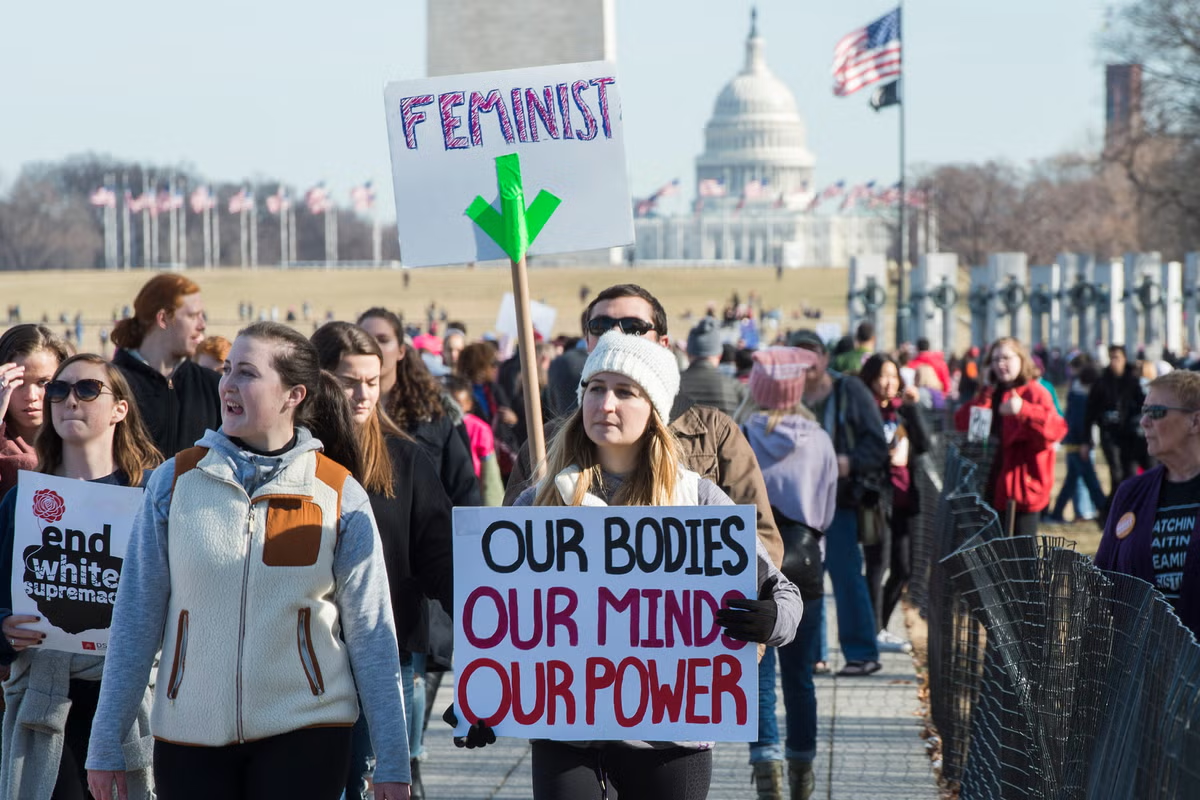
The dominoes are beginning to fall in Washington, D.C., as alleged sexual abusers are being outed and removed from power.
Disgraced Democratic congressmen Eric Swalwell and Republican Tony Gonzales, who are both married fathers, jumped out of Congress being being pushed out when faced with allegations of sexual misconduct. Swalwell, 45, is accused of drugging, raping and choking a woman in her hotel room in 2018, and making other unwanted sexual advances toward women, which he vehemently denies.
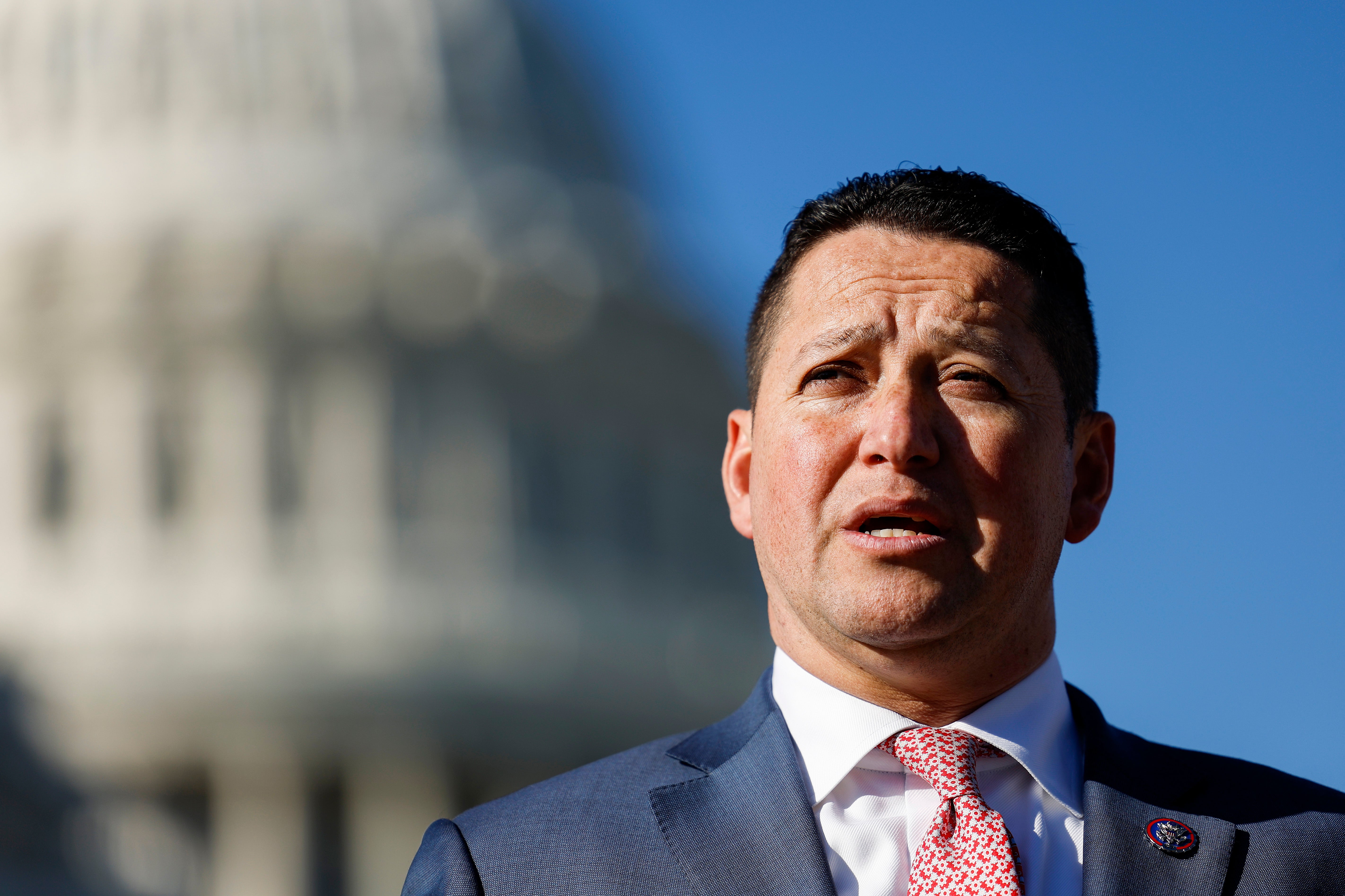
Gonzales, also 45, quit after he finally admitted, following months of allegations, that he had an inappropriate relationship with his former married staffer Regina Santos-Aviles, who died by suicide in September 2025. He said he had “absolutely nothing to do” with her death. Another woman came forward last week, alleging he bombarded her with “hundreds” of sexually explicit text messages.
This might be the biggest moment of reckoning for Washington since the height of the #MeToo movement in 2017 – if Americans don’t fall back into the same traps and allow the open secret to stay hidden in the halls of Congress.
Women, particularly those who are just starting out in their political careers, have been hesitant in the past to speak out against powerful elected officials who commit assault and abuse. It is notoriously difficult for any survivors of abuse to come forward, let alone victims of popular public figures.
But now that silence could be broken with the latest allegations and resignations and calls for more.
New York Rep. Alexandra Ocasio-Cortez spoke of the “punitive culture” of D.C. that “silences people” from speaking out. Former GOP Rep. Marjorie Taylor Greene said she believed the alleged behavior of Swalwell and Gonzales is “prevalent” throughout Congress.
“Congress is still a cesspool,” Greene said in a post on X this week. “I think there’s more members of Congress that are guilty of things similar to Congressman Swalwell and Congressman Gonzales, and we just haven’t seen them, basically, get caught,” she told CNN.
History tells us that Greene is, unfortunately, probably right. American politics is stained with sex scandals, from Bill Clinton and Monica Lewinsky to Donald Trump and Stormy Daniels.
It would be naive to believe that the handful of lawmakers who are now facing the consequences are the only ones out of the 535 members in Congress. It’s not any better in U.S. statehouses. There have also been at least 147 state lawmakers across 44 states accused of sexual harassment or sexual misconduct since 2017, a damning report last year found.
.png)
Democrats who were close to Swalwell professed their shock. “The man lived a double life,” said Sen. Ruben Gallego. He and many others, Gallego said, were “tricked into thinking he was someone he was not.”
While they may not have known the extent of the deeply disturbing allegations, the question now swirling is how these men were able to hold on to their positions of power for so long when much of the alleged behavior was an “open secret” on Capitol Hill.
“We are supposed to be the party of not tolerating this stuff,” Arielle Fodor, one of the influencers who helped bring allegations against Swalwell to light, told The Washington Post. “This is a post-Epstein world and a post-#MeToo world, so you’d think we should have learned.”
“We do need to take a look inward as a party because it was an open secret,” added Cheyenne Hunt, a former Capitol Hill staffer who supported women to come forward in Swalwell’s case. “Not necessarily that he was assaulting people but that he was a creep,” she said. “That was well known.”
Campaigners hope that Republican Rep. Cory Mills of Florida, accused of domestic violence, could be next, but for now, he is “on solid footing,” according to Politico. He denies wrongdoing.
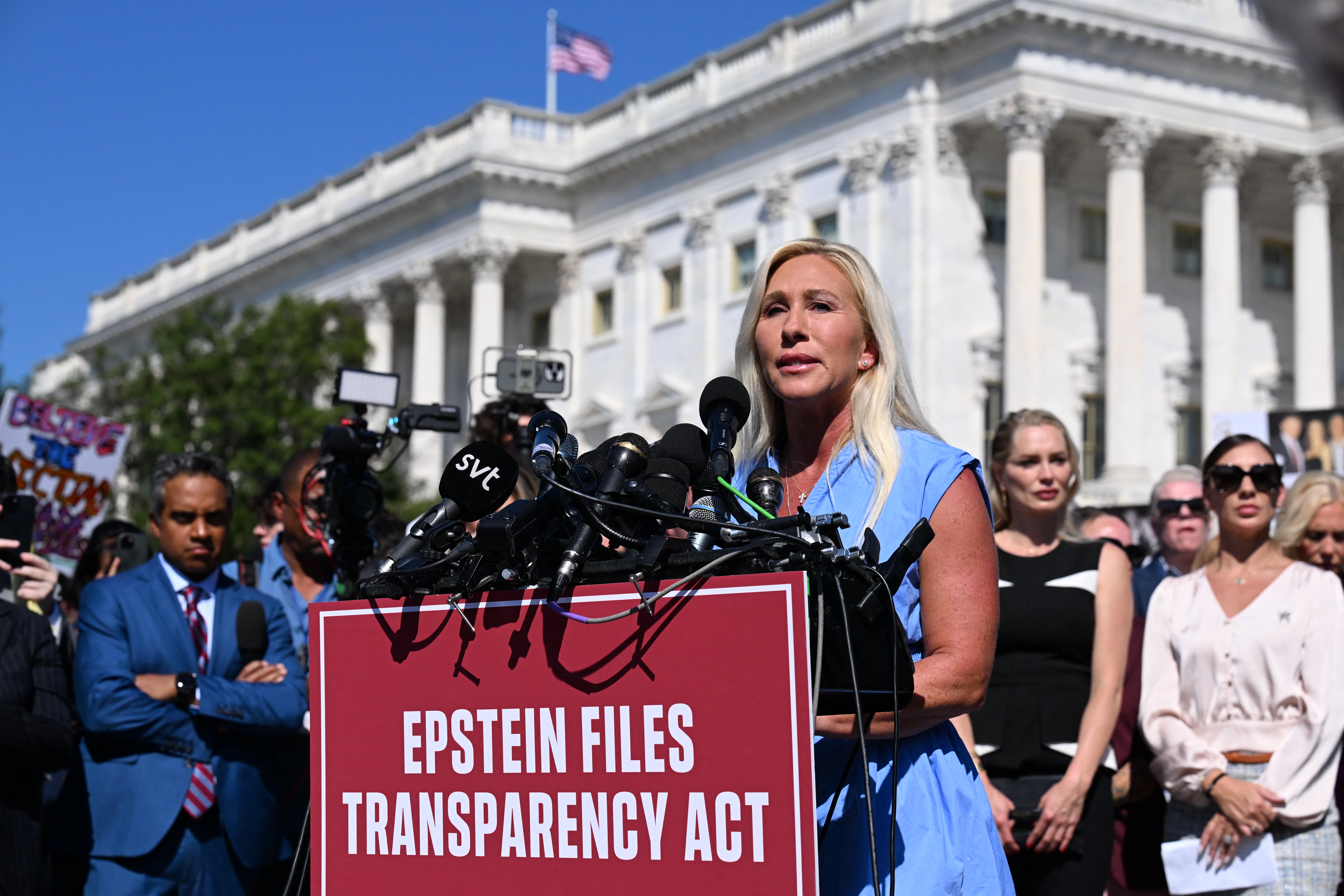
Even in the post-#MeToo world, where public figures in other countries are being held accountable for their ties to the late sex offender Jeffrey Epstein, in the U.S., it feels as though little progress has been made since the movement began in 2017. That movement helped bring down powerful figures accused of past assault, but America was slammed by the pandemic years later and the movement lost its momentum.
Just last month, the House blocked a proposal from GOP Rep. Nancy Mace that would have made records from congressional sexual misconduct and harassment investigations public. Gonzales was one of the members who voted to reject it.
The day where any victim can walk freely without fear of sexual assault – or feel the strength to report it – still seems very far away.
“Accountability cannot be selective,” said Fatima Goss Graves, CEO and president of the National Women’s Law Center. “A jury has found our sitting president liable for sexual assault, and multiple members of his administration have faced credible allegations of abuse or enabling it.”
“All women have the right to be free from sexual violence,” added Graves, “regardless of who their boss is.”
Rainn offers support for those affected by rape and sexual abuse. You can call Rainn on 800-656-HOPE (4673)
🚨 BREAKING: Watch the full clip here ➤

