

By Udora Orizu
“Education is the most powerful weapon which you can use to change the world.” – Nelson Mandela
This quote underscores the essence of nation-building – an enterprise that transcends government, drawing strength from citizens, institutions, and leaders united in the pursuit of informed and sustainable progress.
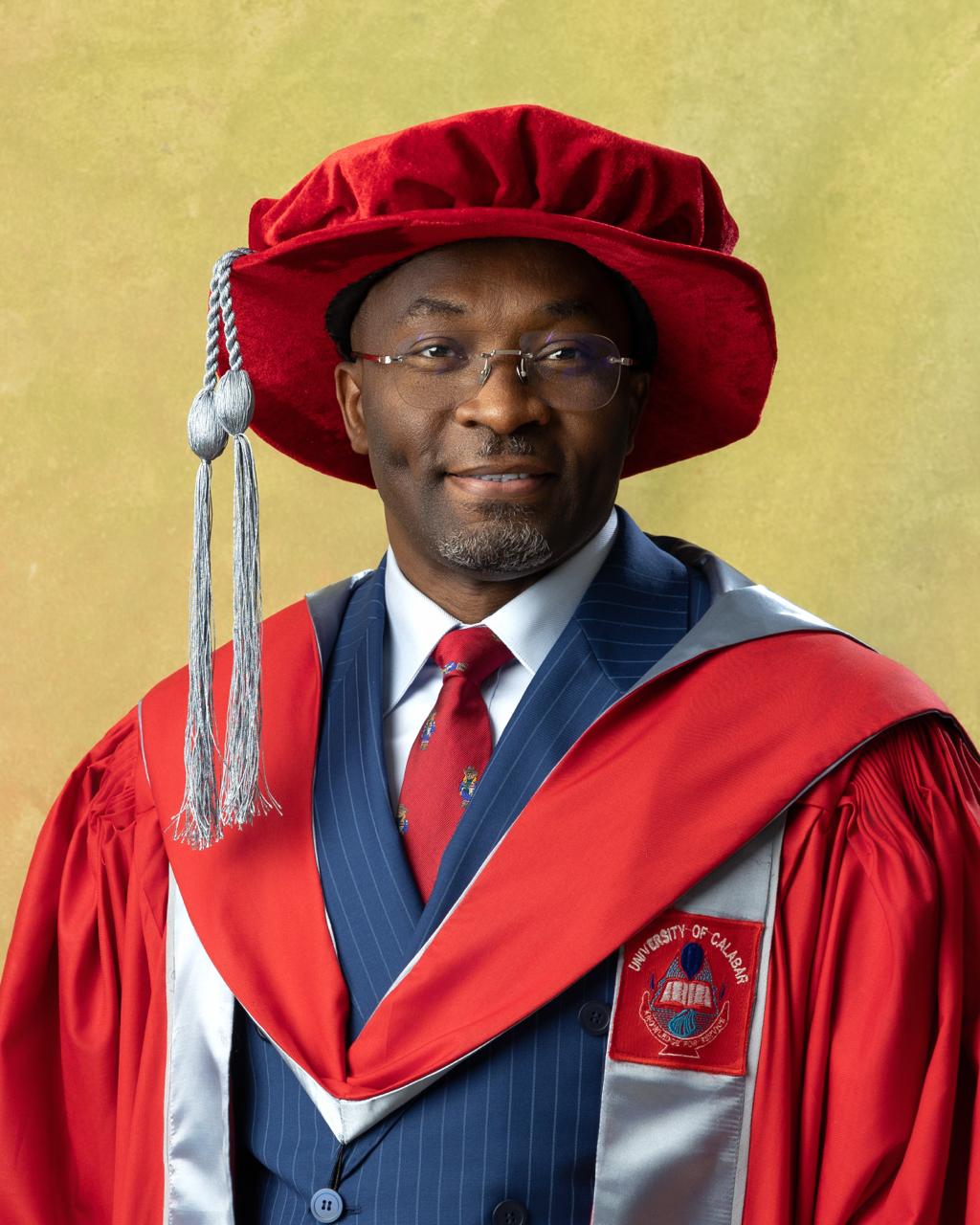
In the light of this, the recent academic achievements of the Deputy Speaker of the House of Representatives, Rt Hon. Benjamin Kalu PhD, CFR offer more than a personal milestone; they highlight the vital nexus between academic research, public policy, and national progress.
On April 11 and April 18, respectively, at the University of Calabar and Abuja Leadership Centre, University of Abuja, the Deputy Speaker was conferred with two doctoral degrees in recognition of his scholarly contributions to law, policy, and governance studies.
This rare academic distinction – holding both a Doctor of Laws and a Doctor of Philosophy in Policy and Strategic Studies, places Kalu among a select cadre of public office holders who effectively bridge the rigours of scholarly research with the practical demands of legislative leadership.
His achievements adds to an already extensive academic and professional profile, including a Postgraduate Diploma in International Commercial Arbitration, University of Oxford, England, an LL.B and LL.M from the University of Calabar, Master of Business Administration, Oxford Brookes University and multiple international certifications in migration, governance, arbitration, environmental crimes, and human rights obtained across institutions in Europe, United States and Australia.
Essential to the recognition are two doctoral theses that address pressing national challenges: Kalu’s first study, “Evaluating the Efficacy of Anti-Terrorism Legislation in Nigeria: Human Rights Challenges and Lessons for Emerging Democracies,” critically examines Nigeria’s counter-terrorism framework, including the Terrorism (Prevention and Prohibition) Act 2022.
The research interrogates the delicate balance between national security and human rights protection, while also acknowledging ongoing government efforts to rescue victims of insecurity and improve operational response.
It examined international, regional, and national legal frameworks on counter-terrorism, analysed constitutional and international human rights protections in terrorism contexts, challenges undermining effective, rights-respecting counter-terrorism in Nigeria and so on.
The importance of this study lies in its comprehensive approach to a deeply complex issue, which include; provide an integrated evaluation of law, human rights, and institutional practice, highlight the tension between national security and civil liberties, offer practical recommendations for policymakers, legislators, and security agencies, contribute to academic discourse on counter-terrorism in emerging democracies.
It recommended establishment of specialised terrorism courts to improve adjudication and efficiency, harmonise counter-terrorism laws and clearly define agency mandates, strengthen judicial oversight of arrests, detention, and surveillance and domesticate outstanding international human rights conventions.
Unsurprisingly, the doctoral research was recognized as one of the most outstanding projects, securing a place at the University’s Achievement Exhibition on Contribution to Knowledge, an acknowledgment that further highlights the scholarly excellence and national significance of his work.
The second thesis, “Government Capacity to Integrate International Climate Adaptation Strategies and Policies in Nigeria,” focuses on Nigeria’s vulnerability to climate change, particularly flooding, desertification, agricultural disruption, and food insecurity.
The aim of the study is to examine government capacity to integrate international climate adaptation strategies and policies in Nigeria, examine the key institutional barriers hindering the effective integration of international climate adaptation strategies into Nigeria’s national policies, ascertain how the availability and accessibility of financial resources affect Nigeria’s ability to implement climate adaptation strategies, particularly in accessing international funding mechanisms such as the Green Climate Fund, Identify the major gaps in climate data and research infrastructure in Nigeria, and how these gaps impact the development and execution of evidence-based adaptation strategies, evaluate how strategies in incorporating sustainable community-based adaptation approaches can be better integrated into Nigeria’s national climate adaptation plans to enhance local resilience adaptation strategies.
It underscores the urgent need for stronger institutional coordination, improved policy implementation, and enhanced resilience strategies in addressing environmental challenges that continue to threaten livelihoods nationwide.
The research recommends multi-stakeholder collaboration, including establishing dedicated climate finance oversight bodies, institutionalising climate resilience indicators in national development plans, and fostering stronger linkages between academic institutions, policymakers, and local communities. By identifying key institutional reforms, financial strategies, and coordination mechanisms, the study contributes to understanding how Nigeria can strengthen its climate adaptation governance system to ensure alignment with global best practices while addressing localised vulnerabilities.
The significance of the dual doctorates extends beyond ceremonial recognition. Policy observers note that such academic grounding can strengthen legislative oversight, improve lawmaking processes, and deepen engagement with complex national issues such as security reform and climate resilience.
Speaking on behalf of the PhD graduating class as the valedictorian with CGPA of 5.0, at UNICAL’s 38th Convocation Ceremony, Kalu captured the essence of education and responsibility.
Echoing Nelson Mandela, who described education as “the most powerful weapon to change the world,” the message is clear: research and policy must extend beyond theory into meaningful societal impact.
In that regard, Kalu’s dual PhDs stand as both an academic achievement and a reminder of the enduring link between knowledge and nation-building.
*Orizu is media aide to the Deputy Speaker
🚨 BREAKING: Watch the full clip here ➤

