

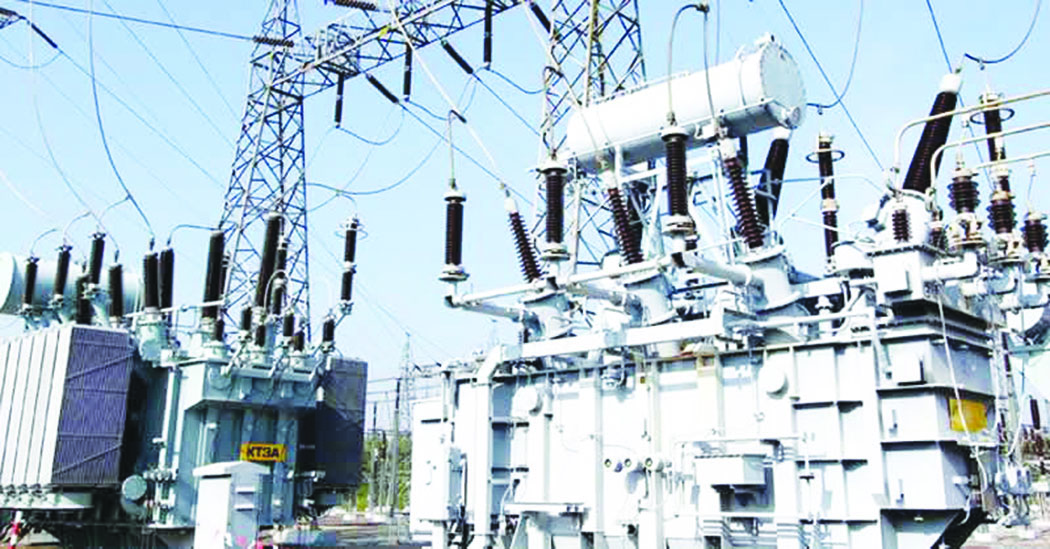
Nigeria’s electricity reform has handed power to the states, but without capacity, funding, and coordination, the promise of light could easily deepen the shadows, writes Festus Akanbi
N
igeria’s electricity sector is undergoing one of its most consequential reforms in decades. With 15 states now assuming regulatory authority over their intra-state electricity markets under the Electricity Act 2023, the country is shifting from a highly centralised system to a more decentralised structure.
This transition, coordinated by the Nigerian Electricity Regulatory Commission (NERC), represents a deliberate attempt to bring governance closer to consumers, encourage investment, and address long-standing inefficiencies that have crippled power supply.
Under the new framework, states may establish State Electricity Regulators (SERs), which now oversee licensing, tariff setting, investment promotion, and consumer protection within their jurisdictions. NERC retains authority over interstate electricity activities such as generation, transmission, and multi-state distribution, but the operational emphasis is gradually shifting to subnational governments. We expect localised control to enable policies that reflect economic realities on the ground, thereby accelerating market development and improving service delivery.
However, industry observers caution that the success of this reform will depend less on the legal framework and more on three critical factors: the technical capacity of state regulators, effective policy coordination, and the maintenance of consistent standards nationwide.
Analysts say the first and most immediate challenge is technical capacity. Electricity regulation is a highly specialised function requiring expertise in engineering, economics, finance, and law. Many states currently lack the depth of human resources needed to perform these roles effectively. Experts argue that establishing a regulatory body is not simply about creating an institution; it involves building a system capable of designing tariffs, enforcing compliance, managing disputes, and ensuring market stability.
Legal and industry experts stress that states must undertake detailed planning before assuming regulatory control. This includes conducting power audits, developing policy frameworks, and investing in human capital. Without these steps, regulatory autonomy risks becoming superficial.
As Ayodele Oni of Bloomfield Law notes, states must carefully consider infrastructure, personnel, and regulatory frameworks before taking on such responsibilities.
This capacity gap helps explain why, despite 15 states completing the transition process, only a fraction are fully operational. The six-month transition window required by NERC has proven insufficient for many states to build functional systems.
Closely tied to capacity is financial capability. Electricity markets are capital-intensive, and state governments already face significant fiscal constraints. Analysts argue that regulatory autonomy comes with financial obligations that many states are not prepared to meet.
These include funding regulatory agencies, supporting infrastructure development, and potentially subsidising electricity tariffs.
A key concern is the sustainability of tariffs. If the federal government reduces or withdraws subsidies, states may be forced to adopt cost-reflective tariffs or absorb the subsidy burden themselves. Both options carry risks.
Higher tariffs could trigger political resistance and reduce consumer affordability, while subsidies could strain state finances. Israel Ijie, a power-sector analyst, notes that this dilemma is one reason many states are proceeding cautiously.
Kola Adesina of Sahara Power Group raises an even broader concern: most states lack the financial capacity to build and maintain electricity infrastructure. Without adequate resources, decentralisation could replicate inefficiencies at multiple levels rather than resolve them.
The financial challenge is compounded by the structural weaknesses of Nigeria’s electricity sector. The industry is burdened by a significant liquidity crisis, driven by poor revenue collection and a large circular debt.
In such an environment, attracting private investment becomes difficult, regardless of whether regulation is centralised or decentralised. Investors require assurance that tariffs are cost-reflective, policies are stable, and revenues are recoverable.
This brings into focus the third major issue: policy coordination. Electricity systems are inherently interconnected, and decisions taken at the state level can have broader implications for the national grid. While the Electricity Act clearly defines the roles of federal and state regulators, effective implementation requires continuous collaboration.
For example, embedded generation projects within a state must still interact with transmission infrastructure regulated at the federal level. Tariff structures must also be aligned to avoid distortions that could discourage investment or create regulatory arbitrage.
Without coordination, there is a risk of fragmentation, where different states adopt conflicting policies that undermine the coherence of the national electricity market.
Industry watchers warn that such fragmentation could deter investment. Investors prefer stable and predictable regulatory environments. A patchwork of varying state regulations could increase uncertainty and raise the cost of doing business. This is why policy consistency is widely seen as essential for the success of the reform.
Another critical factor is maintaining consistent technical and regulatory standards. Electricity systems depend on uniform standards for safety, reliability, and interoperability.
As states take on greater regulatory roles, ensuring compliance with these standards becomes more complex.
Federal agencies such as the Nigeria Electricity Management Services Agency (NEMSA) continue to enforce technical standards, but coordination with state regulators will be crucial.
Weak enforcement at the state level could lead to the proliferation of substandard infrastructure, increased system losses, and safety risks.
The cautious approach adopted by many states reflects an awareness of these challenges. The Electricity Act is designed to be permissive rather than mandatory, allowing states to opt in when they are ready. This flexibility has slowed the pace of adoption but may ultimately strengthen the reform by preventing premature transitions.
Early adopters such as Lagos and Enugu are effectively serving as pilot cases. Their experiences will provide valuable lessons for other states, particularly in areas such as tariff design, investor engagement, and regulatory enforcement.
This gradual approach aligns with international best practices, where decentralisation is often implemented in phases to allow for learning and adjustment.
Despite the challenges, the potential benefits of decentralisation remain significant. By bringing regulation closer to consumers, states may be better positioned to address local issues such as metering gaps, distribution inefficiencies, and access to off-grid solutions.
The reform also creates opportunities for subnational governments to attract investment in renewable energy and mini-grid projects, which are critical for expanding electricity access in underserved areas.
However, these benefits will not materialise automatically. They depend on states’ ability to build credible institutions, implement sound policies, and maintain investor confidence. Without these elements, decentralisation could fall short of its objectives.
In the final analysis, the transfer of regulatory authority to 15 states is a bold experiment in restructuring Nigeria’s electricity sector. It reflects a recognition that the existing centralised model has not delivered the desired outcomes. But the reform’s success will depend on execution, not intent.
Technical capacity, financial strength, policy coordination, and regulatory consistency will determine whether this decentralized approach improves electricity supply or merely redistributes existing challenges.
If these conditions are met, the reform could mark the beginning of a more dynamic and resilient electricity market. If not, it risks becoming another well-intentioned policy that fails to deliver meaningful change.
🚨 BREAKING: Watch the full clip here ➤

