

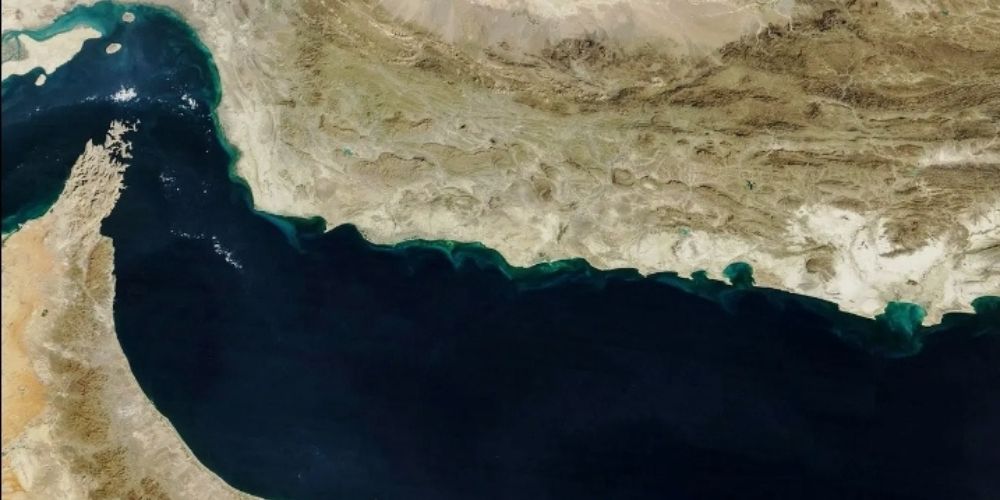
Oil prices plunged immediately erasing a significant portion of the geopolitical risk premium that had built up during the effective restrictions on the waterway, which accounts for roughly 20% of global seaborne oil trade.
Brent crude dropped as much as 10%, slipping to around $90 per barrel, while West Texas Intermediate (WTI) crude fell nearly 10% to about $85.37 per barrel.
Equity markets reacted strongly to the prospect of restored energy flows and reduced inflationary pressure from oil costs, with U.S. stock futures surging at the open.
The S&P 500 climbed roughly 0.8–1.1% to fresh record highs during the session, while Dow Jones Industrial Average futures jumped by more than 500 points, and Nasdaq futures gained close to 0.9%.
European markets also advanced, with the Stoxx 600 posting solid early gains. The broader rally reflected improved investor risk appetite, as energy stocks came under pressure from falling crude prices while sectors sensitive to lower input costs moved higher.
Beyond equities and oil, the U.S. dollar weakened modestly against major currencies as safe-haven demand eased, while short-dated government bond yields declined on expectations of lower near-term inflation driven by cheaper energy.
U.S. President Donald Trump also acknowledged the development, stating on Truth Social that the strait “is fully open and ready for full passage,” reinforcing positive market sentiment.
Analysts described the reaction as a classic unwinding of the “war premium” that had been priced in during the disruption, though they cautioned that the reopening remains tied to a temporary ceasefire and that full normalization of tanker flows and supply chains may take time.
Markets are expected to closely track actual shipping activity and further developments around the truce in the coming sessions.

