

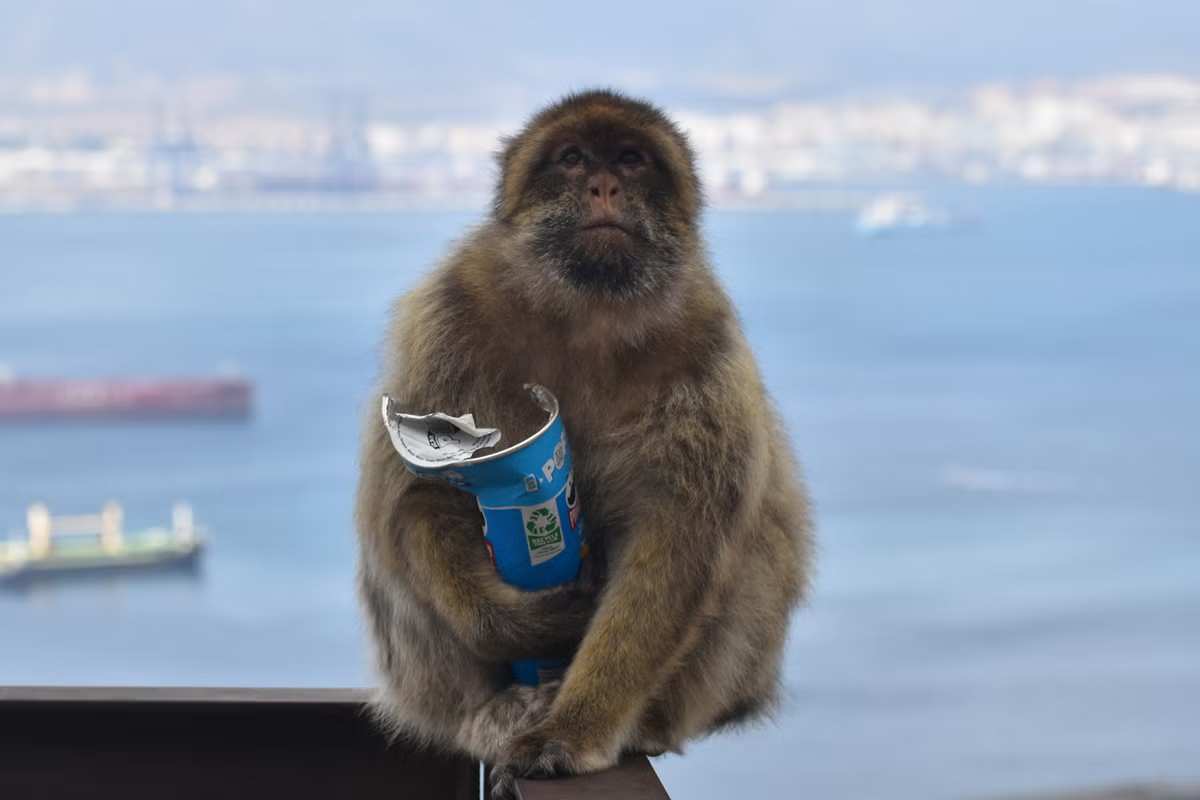
Monkeys in Gibraltar are eating soil to soothe their stomachs because their diets now consist mainly of junk food left behind by tourists, according to a new study.
Barbary macaques, the only wild monkeys in Europe, are eating sugary snacks, ice cream and sweets, which is leaving their stomach unsettled, according to research conducted by the University of Cambridge.
The practice of eating dirt, known as “geophagy”, was observed across the Rock of Gibraltar after researchers found that animals in frequent contact with tourists eat far more dirt and dirt-eating rates are higher during the peak holiday season.
Dirt-eating has previously been used in human cultures as a way to source nutrients, but scientists say it could be used by macaques to “buffer their digestive system against the high energy, low fibre nature of these snacks and junk foods, which have been shown to cause gastric upsets in some primates”.
“Foods brought by tourists and eaten by Gibraltar’s macaques are extremely rich in calories, sugar, salt and dairy,” said Sylvain Lemoine, who led the research.
“This is completely unlike the foods typically consumed by the species, such as herbs, leaves, seeds and the occasional insect.”
He added: “The emergence of this behaviour in macaques is both a functional and cultural one, like nut-cracking in chimps, except it is driven entirely by proximity to humans.”
Local authorities provide the macaques with daily fruit, vegetables and water at designated feeding stations, but the monkeys often seek out and pilfer snacks brought by tourists, despite visitors being forbidden from feeding them.
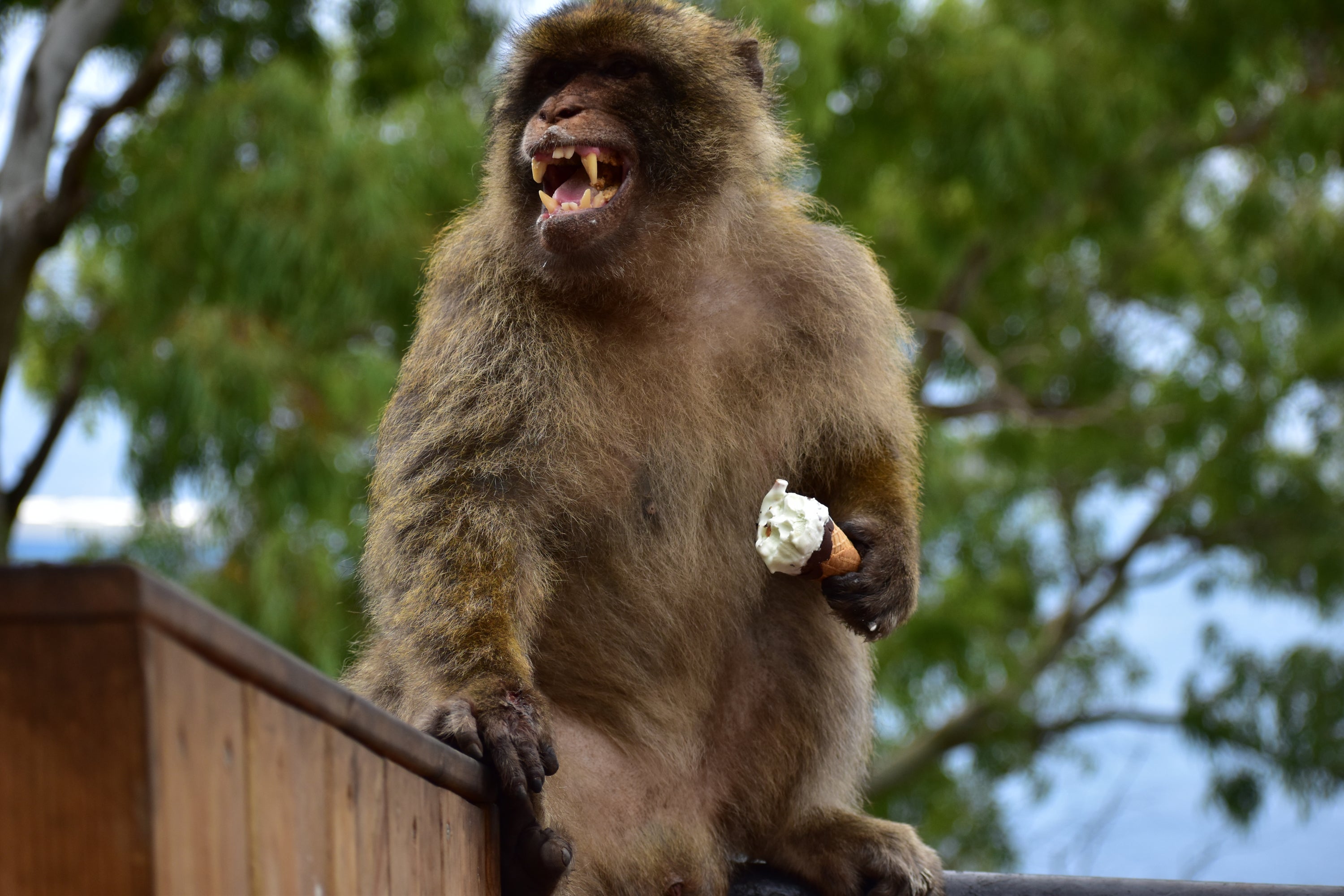
The study found that across the whole population and observation time, a fifth (18.8 per cent) of all food consumed by macaques was junk food fed to them by tourists.
Monkeys were around 40 per cent less likely to eat tourist food in winter than summer, with geophagy falling by about 31 per cent in the winter.
The only macaque species with higher recorded rates of dirt-eating than those on Gibraltar are the semi-feral macaques that live in Hong Kong’s Kam Shan Country Park, which access a huge amount of human food from visitors.
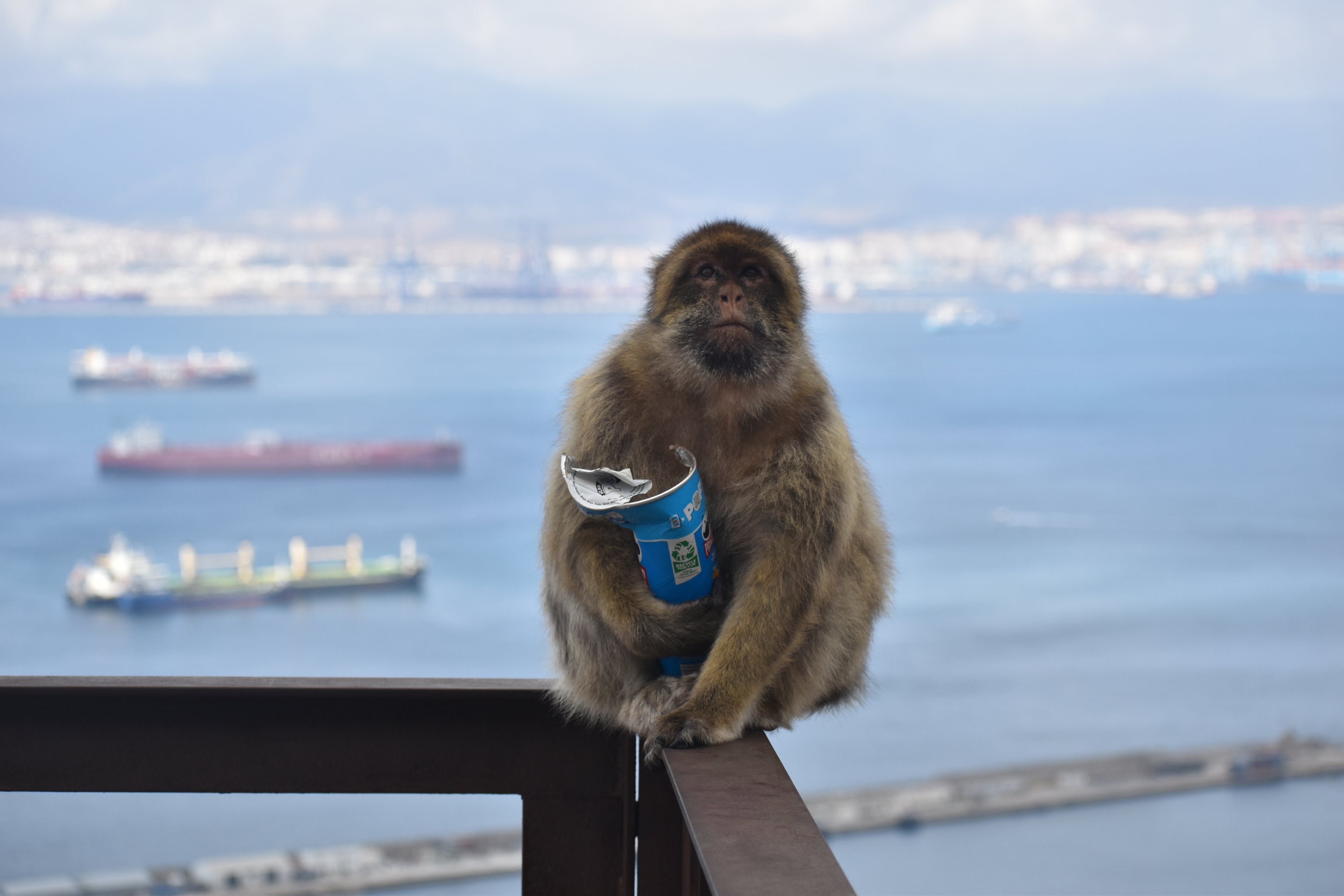
Native to north Africa, Barbary macaques are thought to have arrived in Gibraltar during the medieval period under the rule of the Moors, when Berber soldiers kept them as pets.
They became a symbol of British rule, prompting Winston Churchill to replenish their stock when numbers dwindled, in a bid to boost morale among soldiers stationed there.
“Gibraltar’s macaques are deeply entwined with human history, offering a striking example of a human-primate interface,” says Lemoine.
“The range of human interaction across Gibraltar’s macaque groups create a natural experiment for understanding how anthropogenic landscapes affect primate behaviour and culture.”
🚨 BREAKING: Watch the full clip here ➤

