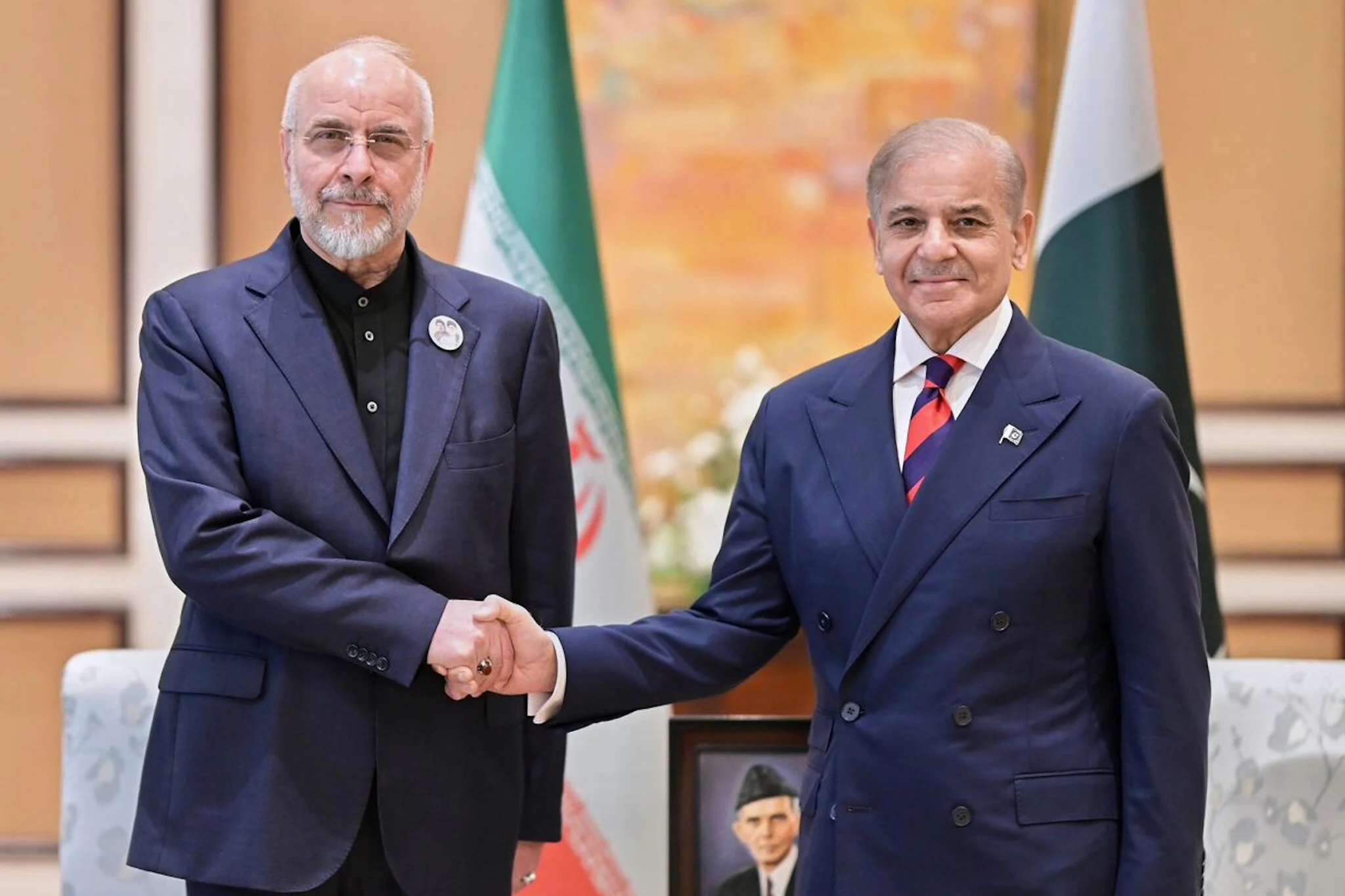
Iranian Parliament Speaker Mohammad Bagher Ghalibaf said late Saturday that there has been “progress” in negotiations with the United States for a permanent end to the US-Israeli war with Iran.
Speaking to state television, he cautioned, however, that there was still a “big distance” between the two sides regarding the proposed details of any agreement to end the fighting.
“There are some issues on which we insist… They also have red lines. But these issues could be just one or two,” Ghalibaf said. “We are still far from the final discussion.”
His remarks matched optimism on the talks from US President Donald Trump, despite the looming expiration of a temporary ceasefire and the persistence of powder-keg tensions between the two countries on key issues that have fueled the conflict.
According to reports, the main areas of dispute remain the matter of Iran’s nuclear ambitions and the Strait of Hormuz.
Tehran reversed course on Saturday to reassert control over the strait, again closing the energy choke point and adding fresh uncertainty to the war.
Iran said it was responding to a continued US blockade of Iranian ports, calling it a violation of the ceasefire, while Supreme Leader Ayatollah Mojtaba Khamenei said Iran’s navy was ready to inflict “new bitter defeats” on its enemies. Trump called the move “blackmail” even as he praised the talks.
Still, Ghalibaf said “the American and Iranian negotiating teams now have a more realistic understanding of each other,” according to an English translation of his remarks carried by Turkish outlet TRT World.
His comments came after Trump told reporters that dialogue with Iran, mediated by Pakistan, was “working out really well.”
But Trump also defended the US blockade and threatened “to start dropping bombs again” unless the countries reached a long-term deal before the ceasefire expires on Wednesday.
Pakistan, which is mediating between the two sides, is expected to host the second round of talks between Iran and the US in the coming days. A previous round last weekend ended without any resolutions.
In a post to his Truth Social platform, Trump also showered praise on Israel, which, together with the US, began strikes on Iran on February 28, in a bid to destabilize the regime in Tehran and destroy its nuclear and ballistic missile capacities. Iran responded with missile and drone strikes across the region, and its proxies in Iraq and Lebanon have also carried out attacks, with Israel launching massive airstrikes in Lebanon in response to the Hezbollah terror group’s rocket barrages.
A great ally
“Whether people like Israel or not, they have proven to be a GREAT Ally of the United States of America,” he declared.
“They are Courageous, Bold, Loyal, and Smart and, unlike others that have shown their true colors in a moment of conflict and stress, Israel fights hard, and knows how to WIN!” he wrote.
Trump has been very critical of traditional US allies and other NATO members for their lack of assistance during the war.
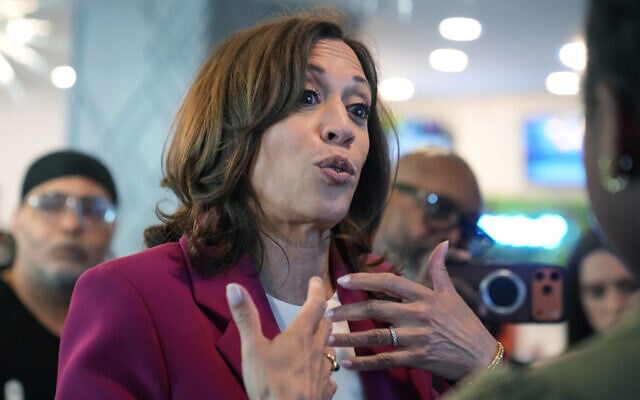
It was unclear what prompted the statement, although it came not long after former US vice president Kamala Harris accused Prime Minister Benjamin Netanyahu of dragging the US into an unwanted war with Iran.
Trump “entered a war, got pulled into it by Bibi Netanyahu, let’s be clear about that,” said Harris, referring to Israel’s prime minister by his nickname.
“He entered a war that the American people do not want, putting at risk American service members,” she told a Democratic Party fundraiser in Detroit.
Netanyahu has repeatedly derided the idea that he dragged the US into war with Iran, calling it “fake news,” and insisting that Trump only bases his decisions on “what he thinks is good for America.”
Even as mediators expressed confidence that a new deal was within reach and talks looked set to resume, confusion over the critical Strait of Hormuz threatened to deepen the energy crisis roiling the global economy and push the two countries toward renewed conflict. Roughly one-fifth of the world’s oil passes through the strait and further limits would squeeze already constrained supply, driving prices higher once again.
On Friday, Tehran had declared the strait open after a ceasefire was reached in Israel’s war with Iran’s ally Hezbollah in Lebanon, triggered by the terror group’s relentless rocket and drone fire at northern Israel. Iran had tied its ceasefire with the US to a halt in Israeli attacks on Hezbollah.
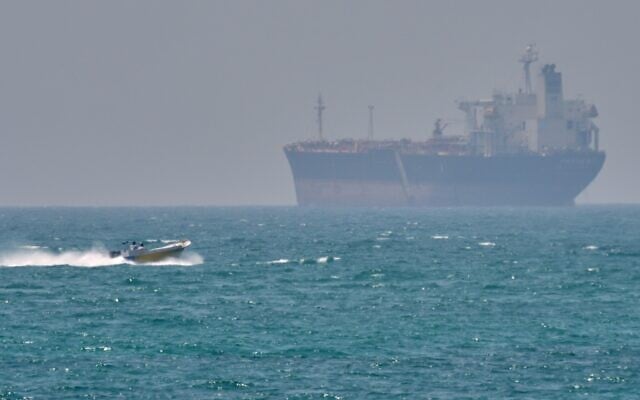
Opening of the strait prompted elation in global markets and sent oil prices plunging, but with Trump insisting the blockade of Iranian ports would continue until a deal is struck to end the wider war, Tehran said it was shuttering the strait once more.
“If America does not lift the blockade, traffic in the Strait of Hormuz will definitely be limited,” Ghalibaf said.
Iran’s Islamic Revolutionary Guard Corps warned that any attempt to pass through the strait without permission “will be considered cooperation with the enemy, and the offending vessel will be targeted.”
A handful of oil and gas tankers crossed the strait early on Saturday during the brief reopening, tracking data showed, but others retreated and tracking platforms showed hardly any vessels crossing the waterway by the late afternoon.
A UK maritime security agency said the Revolutionary Guards fired at one tanker, while security intelligence firm Nggossips Tech reported the force had threatened to “destroy” an empty cruise ship that was fleeing the Gulf.
In a third incident, the UK agency said it received a report of a vessel “being hit by an unknown projectile which caused damage” to shipping containers but no fire.
The Indian foreign ministry said it had summoned the Iranian ambassador in New Delhi to lodge a protest over a “shooting incident” involving two Indian-flagged ships in the strait.