

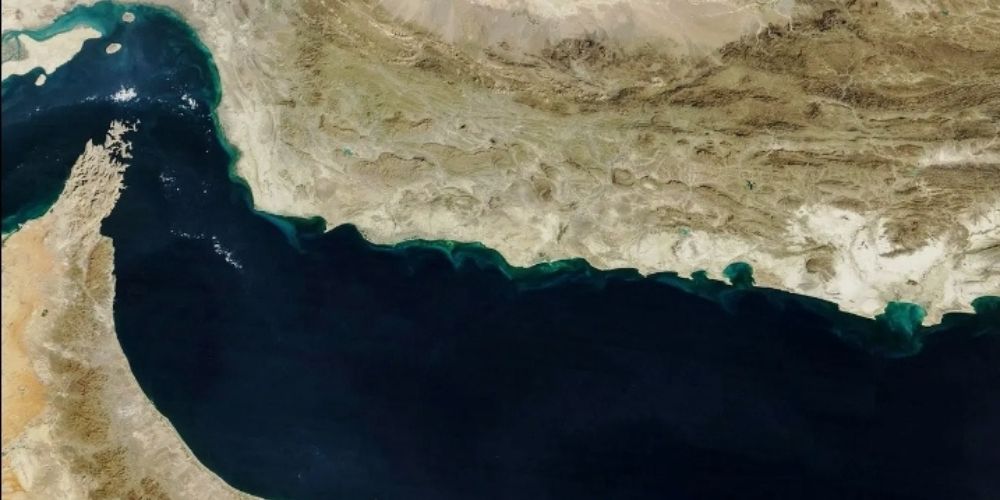
Iran’s Foreign Minister Abbas Araghchi has declared the Strait of Hormuz “completely open” to all commercial vessels for the duration of the ceasefire in Lebanon.
In a statement released today, Araghchi said the strategic waterway is fully accessible “in line with the ceasefire in Lebanon.”
This announcement signals a notable de-escalation after earlier restrictions and temporary halts on shipping through the strait in response to regional hostilities.
Markets reacted positively to the reduced risk of supply disruptions, with Brent crude and West Texas Intermediate (WTI) both dropping notably by as much as 10% as investors welcomed the restored access to one of the world’s most critical energy chokepoints.
The Strait of Hormuz handles roughly 20% of global oil shipments. Its reopening is expected to ease pressure on energy markets, potentially lower tanker insurance costs, and help stabilize oil prices that have been volatile amid the conflicts.
This development comes as a 10-day ceasefire takes hold between Israel and Lebanon following intense Israeli strikes.
Lebanon’s National News Agency reported that the death toll from those attacks had reached 2,196 (with over 7,000 wounded) as of Thursday.
While the current truce is limited, Iran has emphasized that it rejects temporary pauses and is pushing for a comprehensive end to the war across the region, including full inclusion of Lebanon in any broader agreements.
Tehran has previously linked the status of the strait to progress on these issues.
U.S. President Donald Trump reacted swiftly to the announcement on Truth Social, commenting on Iran’s declaration that the Strait of Hormuz is “completely open” for the remaining period of the ceasefire. The move contributed to the sharp drop in oil prices.
Trump has indicated that a wider deal with Tehran may be close, with potential talks advancing soon.
Analysts are now monitoring whether commercial traffic resumes smoothly and how sustained access affects global energy prices and regional stability.

