

• As AMASA 2026 tackles Africa’s health workforce crisis
Mary Nnah
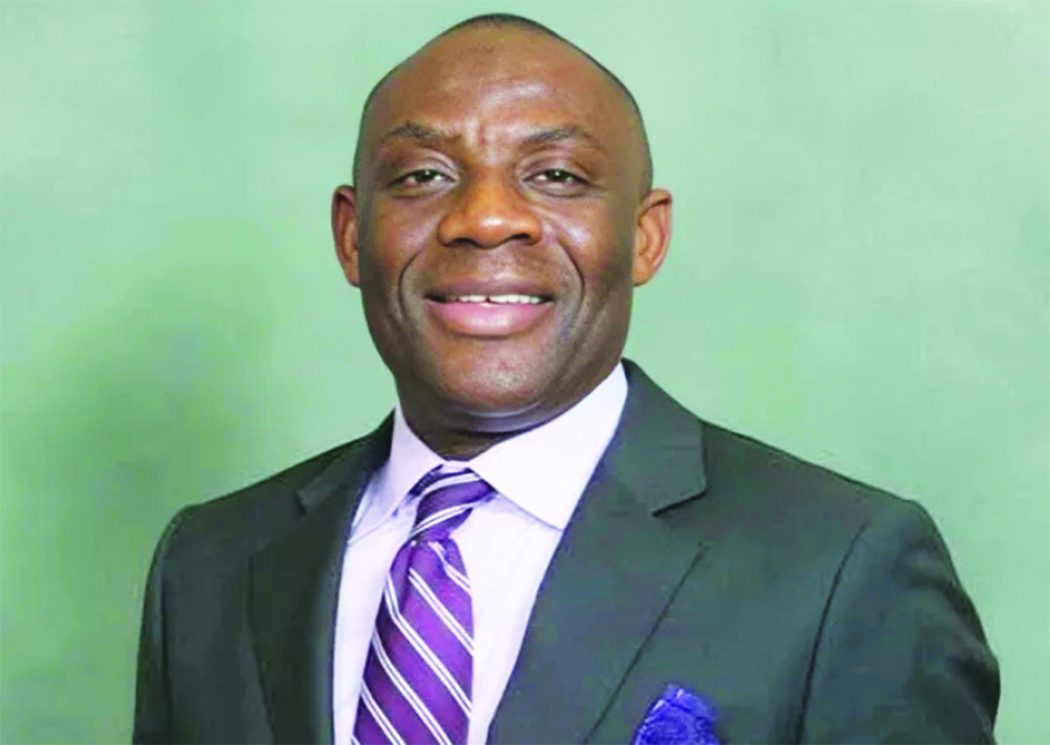
The federal government will rehabilitate medical education in 18 colleges of medicine across the country and is investing “so much funds” in simulation labs nationwide, Dr. David Atuwo, Special Adviser (Technical) to the Minister of Education, Dr. Maruf Tunji Alausa, has announced this in Lagos.
Atuwo who represented the minister at the 2026 Medical Education Conference of the Association of Medical Schools in Africa (AMASA), held recently in Lagos, said the interventions are part of deliberate reforms to increase capacity and retention of health workers under President Bola Tinubu’s Renewed Hope Agenda.
“At the Federal Ministry of Education, they are even, so to say, accusing us that we are laying too much emphasis on medical education, and we are not apologetic for it,” Atuwo told delegates gathered for the conference, held in partnership with the World Health Organisation, Africa Region.
“As a lot of you would have known, we have put so much funds in simulation labs across the country, we want to rehabilitate medical education in about 18 of our colleges of medicine all over the country, and we are doing so much more. For that, I think, if you can kindly applaud the Honorable Minister of Education.”
The conference, themed – Increasing Capacity and Retention of the Global Health Workforce – drew deans, professors, regulators, and the incoming and outgoing Executive Secretaries of AMASA to Lagos to confront a deepening challenge.
Reading the Minister’s address, Atuwo said, “Africa stands today at a critical inflection point in health and medical education. Our continent bears nearly a quarter of the global disease burden, yet we are supported by only a fraction of the global health workforce.
“This imbalance is further compounded by the persistent challenge of migration of our skilled professionals and systemic inefficiencies within our training ecosystems. This reality calls for bold, coordinated and forward-looking action.”
Atuwo, a medical doctor, was direct about the role of the educators in the room. “I’m a medical doctor myself, and it is an honour to be amongst our teachers. Without you, personally, I would be nothing here today.
“I’d probably be a fisherman in my state, Bayelsa. So, I thank you, all of you, medical educators. Without you, I don’t think the world would be a better place. So, congratulations for what you do for us and for humanity.”
”The minister’s message, delivered by Atuwo, commended AMASA for “successfully convening this important conference and for sustaining a legacy that began at the College of Medicine, University of Ibadan in 1961.”
It added, “That enduring vision to strengthen the nexus between research, education, and service remains as relevant today as it was over six decades ago.”
The address also acknowledged “the remarkable journey of AMSA’s rebirth, as we have been told by the president, which was initiated in 2008 and strengthened through strategic partnerships with global institutions, including the WHO African Region, the World Federation for Medical Education, and the World Medical Association.”
On Nigeria’s policy direction, Atuwo said the federal government is “expanding capacity in medical and allied health training institutions, strengthening accreditation systems and collaboration of regulatory bodies, investing significantly in medical education infrastructure through TETFund and NELFund and other interventions, and also promoting data-driven planning and digital transformation across our institutions.”
He stressed the need for alignment between sectors. “We are also working closely with the Federal Ministry of Health and Social Welfare to ensure that our education and health systems are aligned, because training without deployment and education without service cannot deliver the outcomes we so dearly seek.”
🚨 BREAKING: Watch the full clip here ➤

