

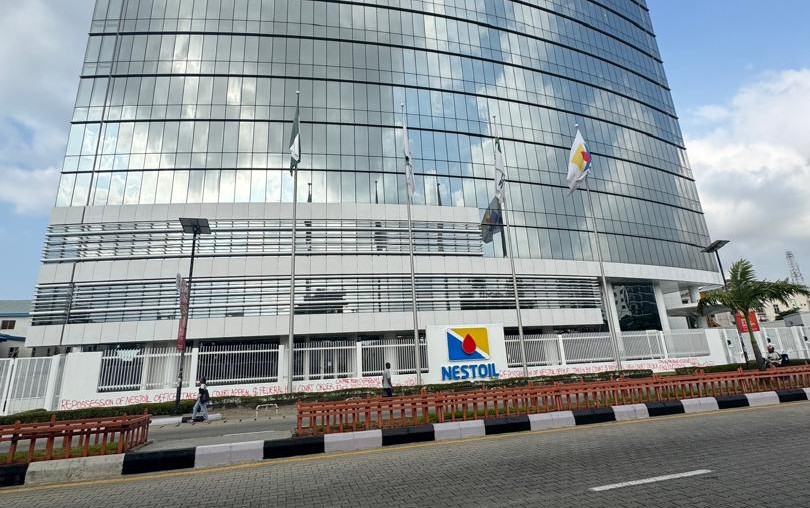
No relief yet for Ernest Obiejesi and the Nestoil Group as court lifts ex parte orders barring the EFCC from investigating Amaranta Oil & Gas and Jonescreek Hydrocarbon.
The Federal High Court in Abuja has vacated earlier ex parte orders restraining the Economic and Financial Crimes Commission (EFCC) from investigating alleged infractions involving companies linked to the Nestoil Group.
Amaranta and Jonescreek had approached the court seeking to halt prospective investigations by the EFCC.
They also requested an order restraining lenders to Nestoil and Neconde Energy from petitioning or reporting alleged criminal infractions to the commission, arguing that the matters arose within the upstream oil and gas sector.
While the court had earlier granted the interim reliefs, it has now discharged the ex parte orders, effectively clearing the way for the EFCC to open an investigation into the companies’ activities if necessary.
The court subsequently adjourned the substantive suit to 26 May 2026.
In an earlier report on 5 March, PREMIUM TIMES detailed how the Federal High Court had issued interim injunctions shielding Amaranta Oil & Gas Development Company Limited from EFCC actions, including investigations, account freezes, or asset seizures.
The court also restrained several financial institutions—FBN Quest Limited, First Bank of Nigeria Limited, Access Bank, and Zenith Bank—as well as court-appointed receiver/manager Abubakar Sulu-Gambari, from petitioning or facilitating EFCC intervention in the company’s operations.
Similar orders were granted in respect of Jonescreek Hydrocarbon Limited, another firm linked to the Nestoil Group.
The dispute is rooted in a high-stakes debt recovery case involving over $1 billion and ₦430 billion allegedly owed by Nestoil, Neconde Energy, and their principal promoters.
To recover the debts, lenders appointed Mr Sulu-Gambari as receiver/manager over the companies’ assets.
Subsequent court rulings have led to a back-and-forth over the receivership, with conflicting decisions from the Federal High Court and the Court of Appeal. The appellate court ultimately reinstated the receiver/manager and barred interference with his mandate, pending the resolution of the appeal.
🚨 BREAKING: Watch the full clip here ➤

