

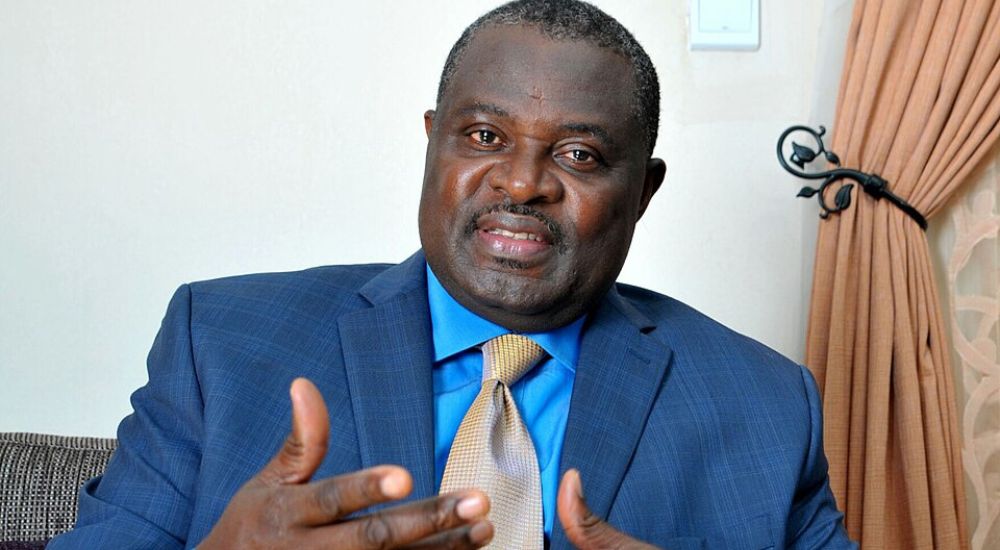
Speaking at a policy-driven town hall meeting in Port Harcourt, Dagogo-Jack argued that the state’s current political structure is increasingly shaped by individual interests rather than institutional strength, a situation he said poses a direct threat to long-term stability.
The event, themed “Citizens, Leadership and the Road to 2027: Discussing the Future of Rivers State Beyond the Next Election,” was organised by the Rivers Peace Initiative in collaboration with Super 93.3 FM and the Centre for Peace and Security Studies, University of Port Harcourt.
According to the former aide to ex-President Goodluck Jonathan, the concentration of political influence in the hands of a few individuals undermines democratic values and fuels tension within the state.
He cautioned that attempts by political actors to “appropriate the state as a personal estate” would inevitably lead to disharmony, weaken institutions, and discourage economic investments.
“When politics is reduced to personal ambition and control, it cannot deliver peace or prosperity. It breeds insecurity and damages the economy,” he said.
Dagogo-Jack further linked Rivers’ declining economic standing to its political realities, recalling a time when the oil-rich state rivalled Lagos State in key development indices.
He expressed regret that despite its vast natural and human resources, Rivers has slipped in competitiveness, attributing the downturn to weak political foundations and lack of merit-based leadership.
“We once stood shoulder-to-shoulder with Lagos and even had more resources. But without the right political principles—merit, transparency, and humility—we cannot reclaim that position,” he noted.
The former governorship aspirant under the Peoples Democratic Party also criticised what he described as the silence of elders in the state, urging them to speak up against emerging political distortions.
He warned against claims by some political figures who allegedly assert control over leadership selection in the state, describing such positions as “offensive” and dangerous to democratic order.
Dagogo-Jack called for a collective effort by citizens to rebuild the political framework, stressing that sustainable development can only emerge from strong institutions rather than dominant personalities.
In his keynote address, former president of the Nigerian Institute of Public Relations, Senibo Bobo Sofiri Brown, said Rivers currently lacks a clear developmental vision.
He urged the state government to refocus its economic strategy around its maritime strengths, proposing a transformation into a leading West African maritime hub.
“No society becomes great without a clear aspiration. Rivers must define sectors where it wants to lead, particularly in maritime and agro-processing industries,” Brown said.
Earlier, convener of the Rivers Peace Initiative, Obinna Ebogidi, said the dialogue was convened in response to growing concerns about governance and development gaps in the state.
He stressed that the disconnect between the state’s resource inflow and actual development outcomes highlights the need for stronger accountability mechanisms.
“Decline does not happen overnight. It begins when citizens lower expectations and leaders avoid accountability,” Ebogidi said, urging residents to actively engage in governance processes.
The town hall forms part of a series of engagements aimed at fostering dialogue and shaping policy direction as political actors and citizens begin to position for the 2027 elections.

