

The Rector of Yaba College of Technology (Yabatech), Dr. Ibraheem Abdul, has outlined a bold policy direction to transform the institution into a hub for integrated agriculture, technology, and tourism in alignment with national development priorities and global best practices.
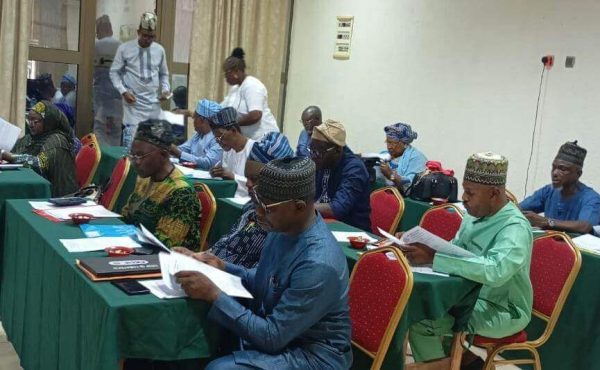
He made this known at the Governing Council and Management Retreat at the Songhai Centre in Porto-Novo, Republic of Benin.
Abdul described the initiative as a strategic shift towards experiential learning, sustainability, and enterprise-driven education.
He said the retreat and study visit were deliberately designed to understudy the Songhai model with a view to embedding it into the College’s academic and operational framework, particularly as Yabatech positions itself for transition to specialised university status.
“This is not just a study visit; it is a policy-driven engagement aimed at repositioning the College for relevance in a rapidly evolving global economy,” he stated.
According to the Rector, the policy thrust will prioritise the establishment of a Centre of Excellence for Agriculture and Tourism to drive interdisciplinary teaching, applied research, and enterprise development.
He disclosed that the College is considering policy-backed initiatives in integrated farming systems, agro-processing, waste-to-wealth practices, and value chain development, which will be incorporated into its curriculum and training modules.
Abdul added that the approach would strengthen practical learning across Engineering, Agriculture, Tourism, and Entrepreneurship programmes, while fostering innovation, student-led ventures, and sustainable industry partnerships.
Also speaking, Chairman of the Governing Council, Prof. Funso Isolaowa Afolabi, framed the initiative within a broader national policy context, describing the theme of the retreat as timely and aligned with Nigeria’s economic priorities.
He noted that the proposed replication of the integrated agriculture and tourism model resonates with the Renewed Hope Agenda of President Bola Ahmed Tinubu, particularly in advancing economic diversification, food security, job creation, and sustainable development.
“The Songhai model presents a compelling example of how agriculture can be combined with tourism, innovation, and entrepreneurship to drive inclusive growth,” Afolabi said, urging participants to translate discussions into practical, implementable outcomes.
He emphasised the importance of policy coherence and institutional synergy, noting that effective collaboration between Council and Management remains critical to achieving the envisioned transformation.
While the Council provides strategic direction and oversight, he said, Management must ensure efficient execution and operational delivery of policies and programmes.
Afolabi further encouraged stakeholders to leverage the retreat to align institutional objectives, strengthen collaboration, and develop a clear roadmap for implementation.
Both the Rector and the Council Chairman stressed that the outcome of the retreat should go beyond deliberations to produce actionable policies and frameworks capable of repositioning Yabatech as a leader in practice-oriented education.
The retreat is expected to generate strategic guidelines for replicating the Songhai model at Yabatech, with a focus on innovation, entrepreneurship, and sustainable development, while reinforcing the institution’s role in supporting national growth.

