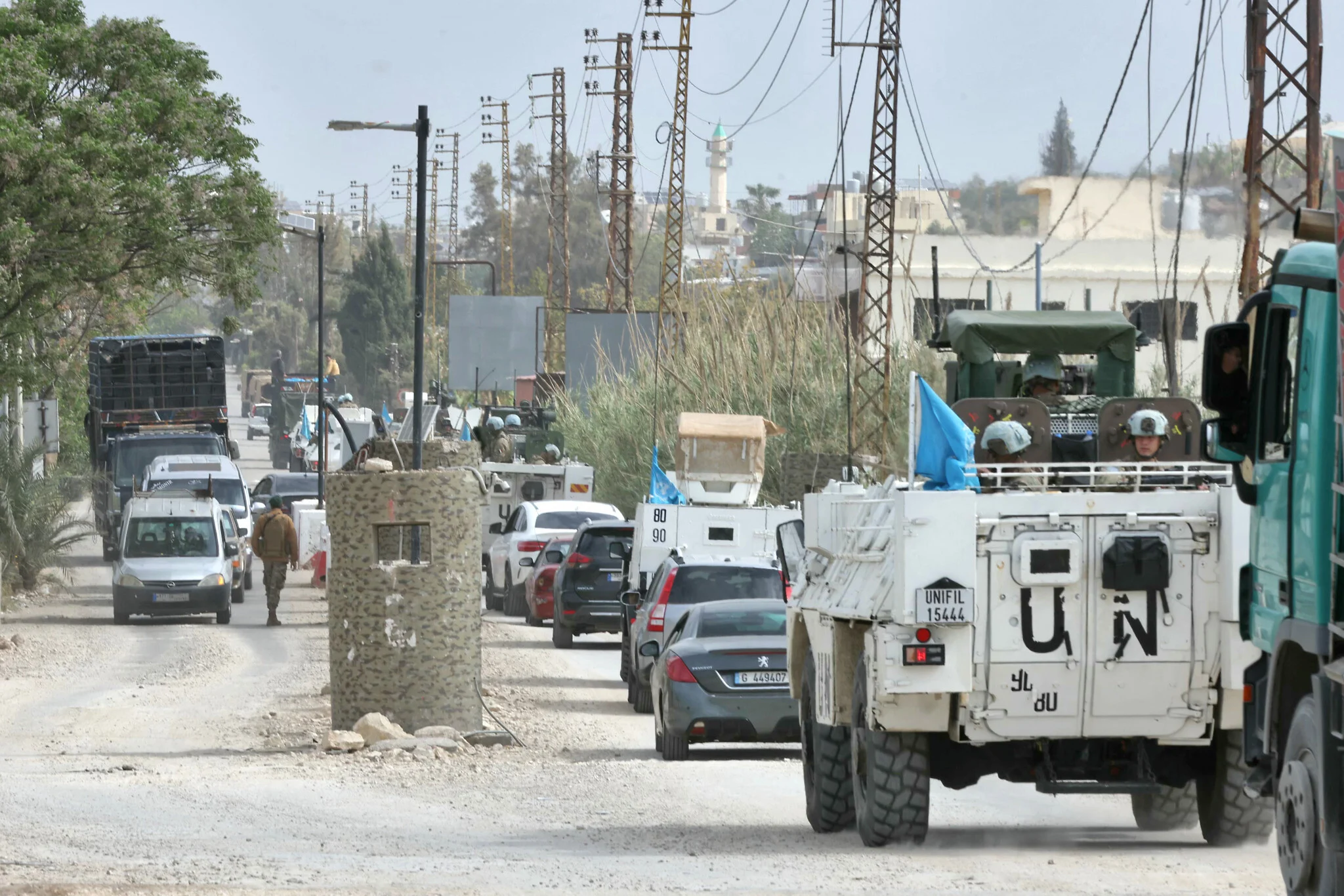
Some form of ongoing UN presence might continue after a peacekeeping mission in Lebanon ends later this year, UN peacekeeping chief Jean-Pierre Lacroix said Thursday.
Lacroix told reporters in Geneva that he was consulting with all parties about the options after its mandate formally stops at the end of December and will make formal recommendations to the Security Council by June.
“They’re [the Lebanese] very clear that they would want to keep a UN presence,” he said. “We’re looking at a presence that would probably be smaller than UNIFIL.”
The UN Interim Force in Lebanon (UNIFIL), first deployed in 1978, has more than 7,000 peacekeepers from 47 nations. It has reported five of them killed in recent weeks, three from Indonesia and two from France, amid the latest fighting between Israel and Hezbollah.
France has blamed the Iran-backed terror group for killing its two soldiers, while a preliminary UN probe found one Indonesian peacekeeper was killed by Israeli tank fire, and the two others were killed by an improvised explosive device likely planted by Hezbollah.
UNIFIL’s mandate currently includes monitoring a ceasefire, supporting the Lebanese army in its deployment into the south, and helping it enforce a prohibition of illegal arms there.
Hostilities between Hezbollah and Israel reignited on March 2, when the Lebanese terror group opened fire in support of Iran, and a strained ceasefire is now in place. But violence continues in southern Lebanon where Israeli troops have maintained a self-declared security zone.
Five IDF divisions — totaling tens of thousands of troops — are currently stationed in the new security zone, whose boundaries are similar to the zone Israel held between 1985 and 2000.
Lacroix said he estimated that Israeli forces occupy “a significant stretch of land north of the Blue Line, with a massive level of demolition and no civilians allowed.” The Blue Line is a UN-mapped line separating Lebanon from Israel.
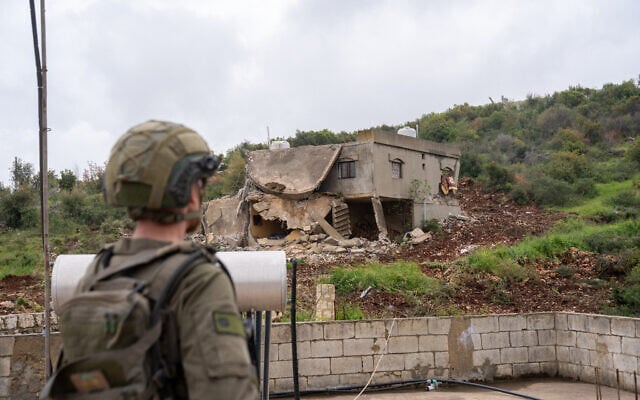
UNIFIL has remained in Lebanon through successive conflicts, including the 2024 war during which its positions came under fire repeatedly.
Israel has long argued that the observer force has failed in its mission, doing little to block Hezbollah from building up its forces near the Israeli border over the decades.
The UN has 11 peacekeeping missions around the world with over 46,000 personnel but is facing financial constraints due to unpaid fees by member states, forcing it to cut 25% of its operations, Lacroix said.
This sometimes impacts its ability to protect civilians and maintain peace, he added. “We are trying to mitigate those impacts, but they are very real.”
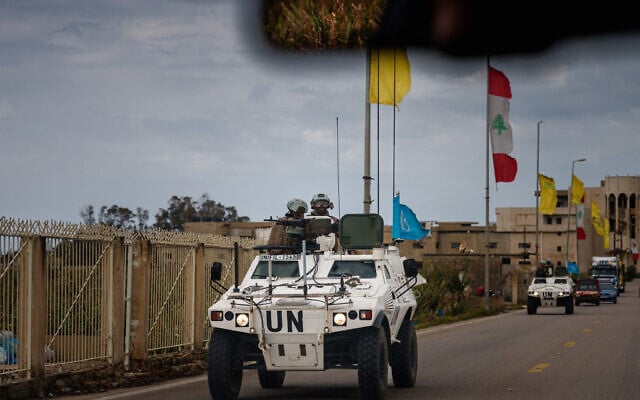
The UN Security Council voted unanimously in August 2025 to terminate UNIFIL at the end of 2026 — nearly five decades after the force was deployed.
Israel had opposed any move to extend the mission, and hailed the Security Council vote last year, urging the Lebanese government to instead exercise its authority throughout its territory. Israeli and Lebanese officials are set to meet Thursday in Washington for a second round of historic direct talks aimed at paving the way for a peace deal.