

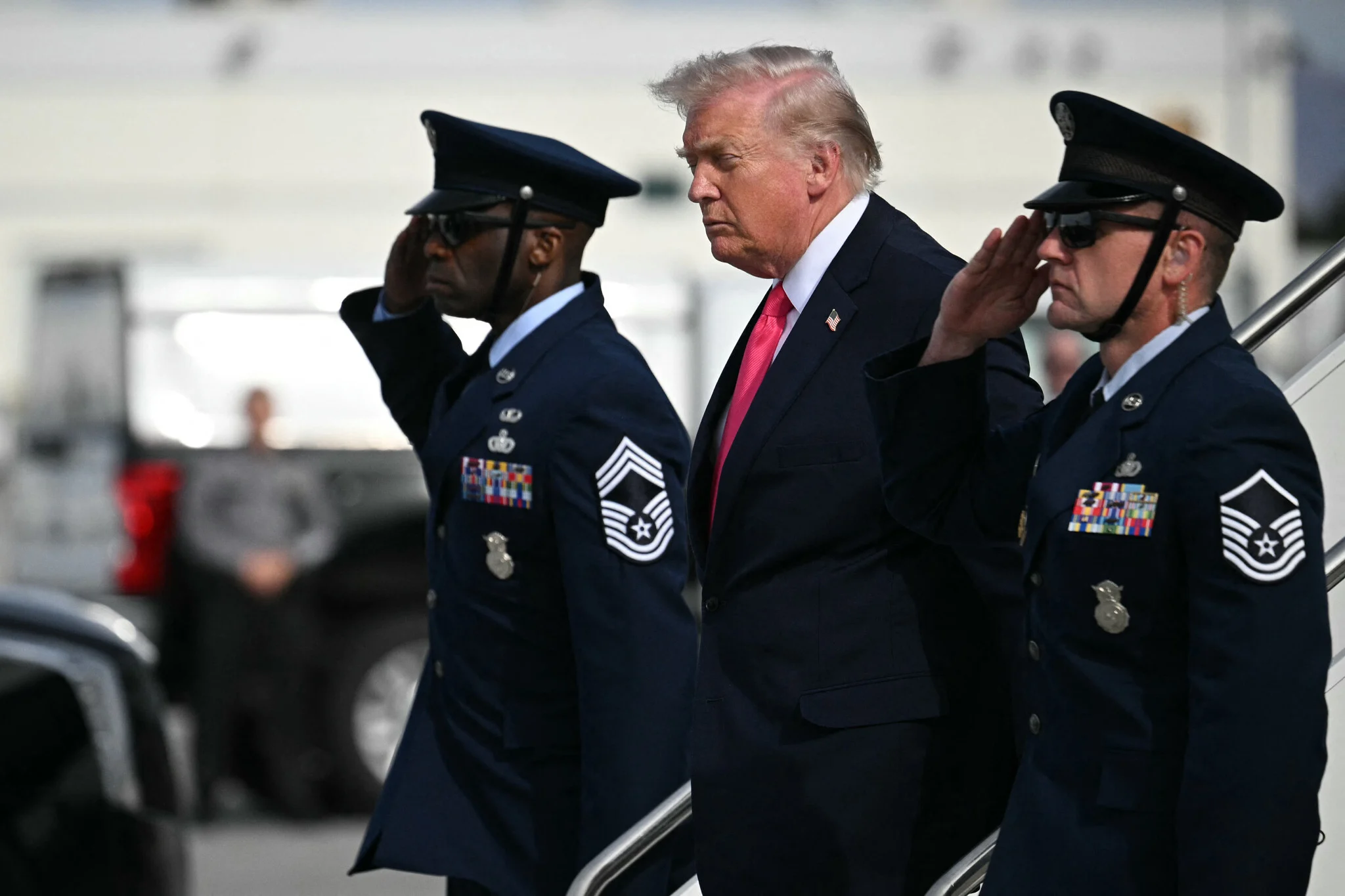
US President Donald Trump signaled growing optimism Friday about a potential deal with Iran to end the war amid a temporary ceasefire, saying negotiators could meet as soon as this weekend and that an agreement may be reached within days — boldly claiming there were “no sticking points,” even as US and Iranian officials cautioned that major key issues remain unresolved.
The US leader spoke with a series of news sites Friday and issued a long series of posts on his Truth Social network, following the Iranian announcement that it had opened the Strait of Hormuz as a response to the Israeli-Hezbollah ceasefire in Lebanon, with Trump predicting a deal to permanently end the war in a matter of days and saying that the US would “leisurely” remove Iran’s enriched uranium.
Speaking to the Axios news site, Trump said he expects imminent progress following recent contacts with Iranian officials.
“The Iranians want to meet. They want to make a deal. I think a meeting will probably take place over the weekend. I think we will get a deal in the next day or two,” he said in a phone interview.
While speaking to Reuters, Trump said that he thinks the deal “will go very quickly,” saying, “We’re getting along very well with Iran.”
In a separate interview with AFP, Trump struck an even more confident note, claiming there were “no sticking points at all” left in the negotiations.
“We’re very close. Looks like it’s going to be very good for everybody. And we’re very close to having a deal,” he said, adding that “things are going very well.”
Trump also pointed to developments in the Strait of Hormuz as a sign of progress.
“The strait’s going to be open, they already are open,” he said, after Iran announced it would allow commercial shipping through the waterway for the duration of the current ceasefire between Israel and Hezbollah in Lebanon.
Nuclear dust
In remarks to Reuters, Trump outlined a proposal for handling Iran’s enriched uranium stockpile, saying the United States would work directly with Iran to retrieve it.
“We’re going to get it together. We’re going to go in with Iran, at a nice leisurely pace, and go down and start excavating with big machinery… We’ll bring it back to the United States,” he said, adding that material he described as “nuclear dust” would be recovered “very soon.”
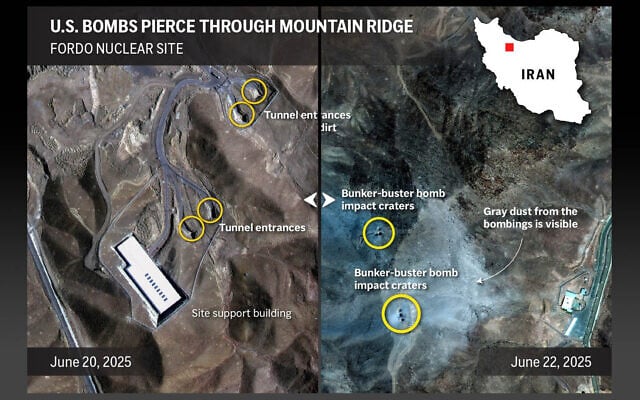
Iran is believed to hold more than 900 pounds of uranium enriched to up to 60 percent purity — just a short technical step away from weapons-grade levels — making the issue one of the most contentious in the negotiations.
Much of it is believed to be in underground nuclear sites bombed by the US last year, leading Trump to refer to it as “nuclear dust.”
Trump’s claim was swiftly denied by Iran.
“Iran’s enriched uranium is not going to be transferred anywhere,” Iranian foreign ministry spokesman Esmaeil Baqaei told state TV.
Trump also pushed back on reports of a potential financial component to the deal, rejecting claims of a $20 billion arrangement involving frozen Iranian funds.
“It’s totally false. No money is changing hands,” he told Reuters.
That denial appeared to contradict reporting by Axios, which said one proposal under discussion involved the US releasing $20 billion in frozen Iranian assets in exchange for Iran giving up its enriched uranium stockpile and agreeing to a moratorium on enrichment.
Beyond the nuclear issue, Trump emphasized that any deal must address regional tensions, particularly regarding Israel.
Make Israel safe
He told Axios that the potential deal with Iran would “make Israel safe,” stressing that Jerusalem would “come out great” at the end of the war.
In terms of Israel’s conflict with Hezbollah, Trump said it “has to stop. They can’t continue to blow buildings up. I am not gonna allow it,” echoing an earlier remark he made on Truth Social, where he said Israel was “PROHIBITED” from continuing to strike Lebanon amid a 10-day ceasefire.
Despite those remarks, Lebanese media reported a strike that killed a motorcyclist after the ceasefire took effect. The IDF did not immediately comment on the reports.
Serious negotiations required
Despite Trump’s optimism, both US and Iranian officials said significant gaps remain.
US officials familiar with the talks told Axios that while negotiators are closing in on a three-page peace plan, gaps persist on critical issues, underscoring lingering uncertainty despite the president’s confidence.
And a senior Iranian official told Reuters that significant differences between Iran and the United States remain to reach a deal aimed at ending the war, adding that keeping the Strait of Hormuz open is “conditional on US adherence to the terms of ceasefire.”
The official, who spoke on condition of anonymity, said “no agreement has been reached on the details of the nuclear issues,” and serious negotiations are required to overcome differences.
He said Tehran hoped that a preliminary agreement could be reached in the coming days with mediator Pakistan’s efforts, with the possibility of extending the ceasefire to “create space for more talks on lifting sanctions on Iran and securing compensation for war damages.”
“In exchange, Iran will provide assurances to the international community about the peaceful nature of its nuclear program,” he said, adding that any other “narrative about the ongoing talks is a misrepresentation of the situation.”
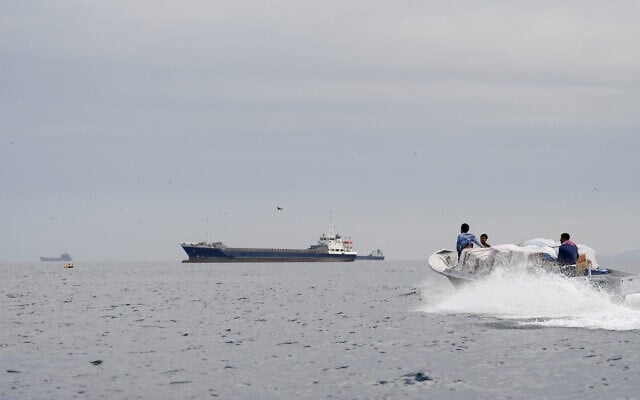
On Friday, Iranian Foreign Minister Abbas Araghchi said that “the passage for all commercial vessels through the Strait of Hormuz is declared completely open for the remaining period of the ceasefire.”
The reopening of the strait — a critical international shipping route — and a parallel ceasefire in Lebanon have been seen as key steps toward a broader agreement, after Tehran insisted that halting fighting there must be part of any deal.
At the same time, Trump made clear that military pressure on Iran would continue until an agreement is finalized, telling both Axios and Reuters that the US naval blockade would remain in place until a deal is reached.
Israel, which launched the military campaign against Iran jointly with the US at the end of February, is not represented at the talks.
The ceasefire declared by Trump came with Israel’s core declared goals of the war largely unfulfilled, including ensuring that Iran does not attain nuclear weapons, destroying its missile program, and creating the conditions for the Iranian public to overthrow the regime.

