

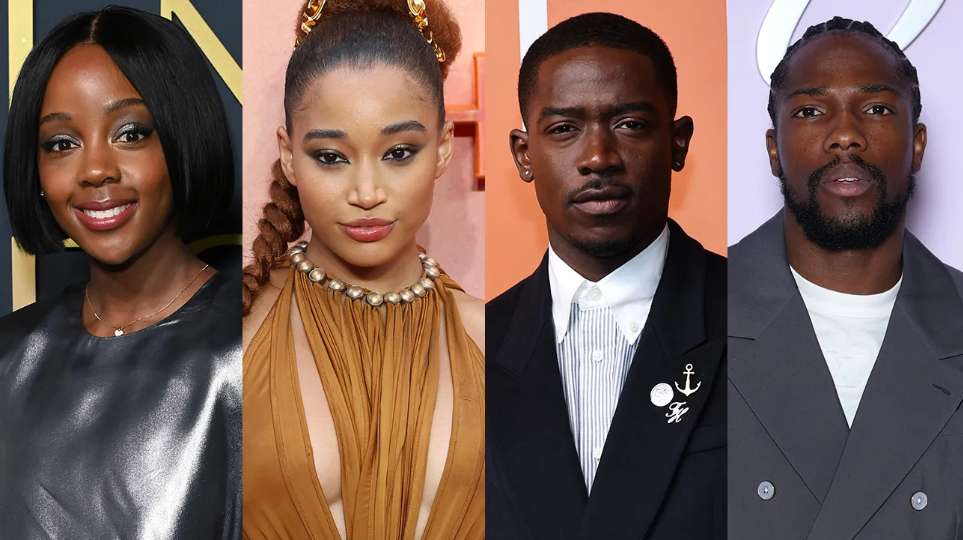
Despite its strong Yoruba influences and Nigerian setting, the initial lead cast largely features actors from the United States, the United Kingdom and South Africa.
The forthcoming film adaptation of Children of Blood and Bone is facing renewed backlash over colourism and cultural representation, with critics questioning key casting decisions in a story widely regarded as deeply rooted in Yoruba identity and Black experiences.
Directed by Gina Prince-Bythewood and based on the bestselling novel by Tomi Adeyemi, the fantasy epic is scheduled for a global theatrical release, including IMAX, on 15 January 2027.
Much of the criticism has centred on the casting of Amandla Stenberg as Princess Amari, a character whose darker skin tone is central to her storyline in the novel.
In the book, Amari’s experiences of prejudice within the royal family are closely tied to her complexion. Critics argue that casting a lighter-skinned, biracial actress weakens this narrative and reflects a broader pattern of sidelining darker-skinned Black women in leading roles.
Some commentators have also questioned the casting of Thuso Mbedu as Zélie, a character often described as having very dark skin.
Beyond colourism, the film has drawn scrutiny over cultural authenticity. Despite its strong Yoruba influences and Nigerian setting, the initial lead cast largely features actors from the United States, the United Kingdom and South Africa.
This has sparked debate, particularly among Nigerian audiences, about the limited presence of Nollywood actors in major roles and concerns over accents and cultural nuance.
First published in 2018, Children of Blood and Bone is the opening instalment in Ms Adeyemi’s Legacy of Orïsha trilogy. Set in the fictional kingdom of Orïsha, inspired by Yoruba culture and West African mythology, the story follows a young divîner, Zélie Adebola, on a quest to restore magic after a ruling monarchy violently suppresses it.
Beyond its fantasy elements, the novel explores themes of oppression, identity and systemic discrimination, with colourism playing a significant role in character development.
Ms Adeyemi has previously linked the themes in her work to broader conversations about anti-Black racism in popular culture.
The film’s journey to the big screen has been extensive. Initially optioned in 2017, the project changed hands before Paramount Pictures acquired the rights in 2022.
Ms Adeyemi co-wrote the screenplay with Prince-Bythewood and also serves as an executive producer.
Principal photography began in Lagos in February 2025 and concluded in June after a 74-day shoot, marking a notable decision to film on the African continent.
At CinemaCon in April 2026, Paramount unveiled the film’s first teaser, offering audiences a glimpse into the world of Orïsha. Early reactions positioned the project as a potential milestone for Black-led fantasy cinema, drawing comparisons to the cultural impact of Black Panther.
The initial cast announcement, first reported by Variety, revealed a high-profile ensemble.
Lead roles include Thuso Mbedu as Zélie, Amandla Stenberg as Princess Amari, Damson Idris as Prince Inan, and Tosin Cole as Tzain.
Supporting cast members include Viola Davis, Cynthia Erivo, Idris Elba, Lashana Lynch, Chiwetel Ejiofor and Regina King.
Following the backlash, additional Nigerian figures, including Richard Mofe-Damijo and Ayra Starr, were later added in supporting roles.
Ms Prince-Bythewood described the ensemble as reflective of “the whole of the diaspora”.
Ms Adeyemi also defended the casting, pointing to open casting calls, including in Nigeria, and emphasising her intention to reflect a wide spectrum of Black identities. However, some fans viewed her response as dismissive, further fuelling debate.
Despite the criticism, the film continues to generate strong interest following its teaser, with audiences praising its visual scale and African-inspired storytelling.
In response, Ms Stenberg described colourism as “an insidious system” and said she is mindful of not taking roles that could displace darker-skinned actresses, adding that Ms Adeyemi had encouraged her involvement.
🚨 BREAKING: Watch the full clip here ➤

