

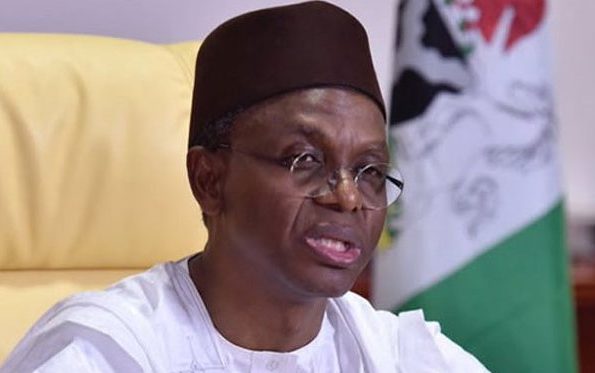
Former Kaduna State Governor Nasir El-Rufai has pleaded not guilty to a five-count charge related to the alleged unlawful interception of telephone communications belonging to the National Security Adviser (NSA), Nuhu Ribadu.
The arraignment took place on Wednesday before Justice Joyce Abdulmalik at the Federal High Court in Abuja.
El-Rufai, who was governor between 2015 and 2023 and also Minister of the Federal Capital Territory (FCT) under former President Olusegun Obasanjo’s administration, was docked on a five-count charge marked FHC/ABJ/99/2026.
Following his plea, El-Rufai’s legal team, led by Oluwole Iyamu, SAN, formally applied for his release on bail.
The charges, filed by the Department of State Services (DSS), stem from a television interview in which El-Rufai allegedly admitted to knowing about the interception of the NSA’s calls without reporting it to authorities.
The DSS had in the charge that was endorsed by a team of five prosecutors from the Department of State Services (DSS) led by M. E. Ernest, alleged that he committed the crime with some people who are currently on the run.
It alleged the defendant admitted on February 13 when he appeared as a guest on Arise TV Station’s Prime Time Programme in Abuja, that he aligned with others and unlawfully intercepted the phone communications of the NSA, thereby committing an offence contrary to and punishable under section 12(1) of the Cybercrimes (Prohibition, Prevention, etc.) (Amendment) Act, 2024.
The security agency further alleged that the defendant had in the course of the television interview, stated that he knew and related to a certain individual who had unlawfully intercepted the NSA’s telephone communications without reporting the person to the relevant security agencies.
By failing to report the crime, El-Rufai was said to have committed an offence contrary to and punishable under Section 27 (b) of the Cybercrimes (Prohibition, Prevention, etc) Amendment, Act, 2024.
More so, it was alleged that the defendant, while acting in cahoots with others that are still at large, used technical equipment that compromised public safety, national security and instilled reasonable apprehension of insecurity among Nigerians, following the unlawful interception of the NSA’s calls.
He was accused of committing an offence contrary to and punishable under Section 131 (2) Nigerian Communications Act 2003.

