

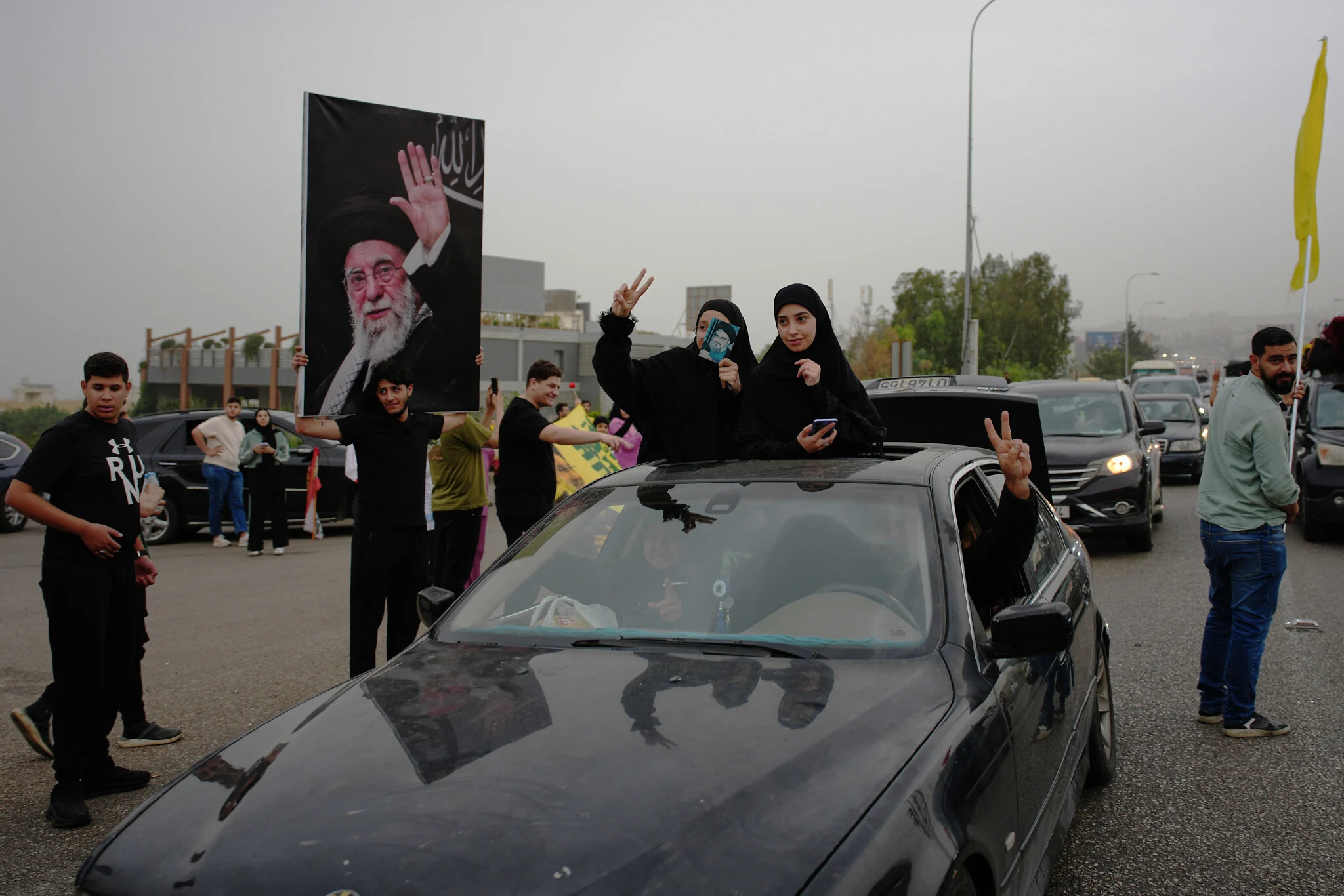
Prime Minister Benjamin Netanyahu said on Friday that the road to peace with Lebanon was long, “but we have begun,” as he defended his decision to accept a 10-day ceasefire with Hezbollah, framing it as a strategic opening for both diplomacy and continued military pressure.
However, the impression that this was a truce imposed upon Israel was reinforced by US President Donald Trump, who declared in a Truth Social post that Israel “will not be bombing Lebanon any longer.”
“They are PROHIBITED from doing so by the USA. Enough is enough,” he added.
Nevertheless, Netanyahu sought to give the truce a positive spin.
“One hand holds a weapon; the other is extended for peace,” Netanyahu said in a video statement, explaining that at the request of Trump, Israel was “giving an opportunity to advance a combined diplomatic and military solution with the Lebanese government.”
Still, Netanyahu made clear the campaign against Hezbollah was far from over. He argued that since October 7, 2023, Israel had removed the threat of infiltration and anti-tank fire from the group and eliminated roughly 90% of its rocket arsenal.
“I will say honestly, we have not yet finished the job,” he added, warning that further action was planned against remaining rocket and drone threats. Dismantling Hezbollah, he said, would require “sustained effort, patience, and careful navigation in the diplomatic arena.”
His remarks came as the fragile ceasefire, brokered by Washington after some six weeks of fighting, took effect overnight.
Despite the truce, Lebanese media on Friday evening reported one killed in an Israeli drone strike targeting a motorcycle between the southern towns of Kounine and Beit Yahoun. There was no immediate comment from the IDF on the incident.
The terms of the ceasefire do allow Israel to carry out defensive strikes against “planned, imminent, or ongoing attacks.”
Earlier in the day, Hezbollah signaled it remained on high alert hours after the ceasefire began, saying its fighters were keeping their “finger on the trigger” in the event of Israeli violations, citing fears of the “enemy’s treachery.”
Trump similarly cautioned Hezbollah against undermining the truce in a separate Truth Social post, saying, “I hope Hezbollah acts nicely and well during this important period of time… No more killing. Must finally have PEACE!”
Meanwhile, Iran’s top negotiator and parliament speaker Mohammad Bagher Ghalibaf tried to take credit for the Lebanon ceasefire, saying it “was nothing but a result of Hezbollah’s steadfastness and the unity of the Axis of Resistance,” despite the US and Israel framing the truce as the result of a separate channel of negotiations between Israel and Lebanon.
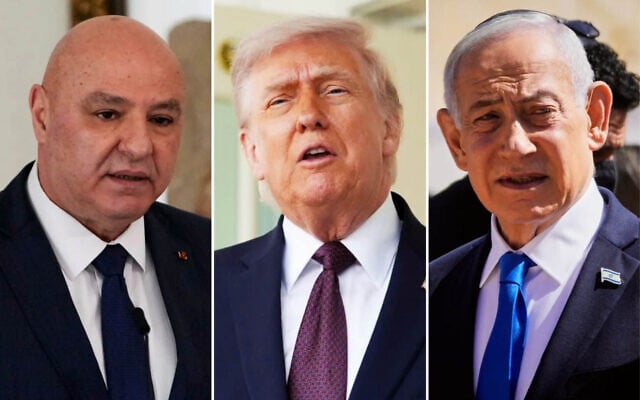
As tensions remained high, diplomatic efforts pressed on. An Israeli official told The Times of Israel discussions had begun regarding a potential visit by Netanyahu to the White House for talks with Trump and Lebanese President Joseph Aoun — a meeting Trump described as “the first meaningful talks between Israel and Lebanon since 1983.”
The visit won’t happen before Israel’s Independence Day, which takes place on Wednesday, said the official.
Trump later said the meeting would likely be held in the next week or two.
Crucial talks
Aoun, meanwhile, endorsed continued direct negotiations with Israel, calling them “crucial” and describing the ceasefire as a “gateway to proceeding with negotiations.” He said Lebanon was working to secure the withdrawal of Israeli forces, to bring back Lebanese citizens held by Israel and to solve border disputes.
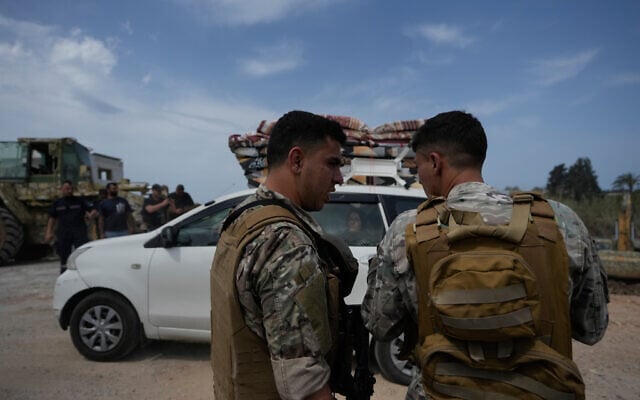
The Lebanese Armed Forces “will play a fundamental role after the withdrawal of Israeli forces,” Aoun said, promising they would deploy to the Israeli border and reassure residents of southern Lebanon, “after their return to their villages and towns, that there will be no armed forces other than the army and the legitimate security forces.”
Seemingly contradicting Aoun, Defense Minister Israel Katz stressed that the ceasefire was only a “temporary freeze,” emphasizing that forces would remain deployed inside Lebanon until Israel’s remaining missions in that country are completed, by force if necessary.
“The IDF holds and will continue to hold all the areas it has cleared and captured,” Katz said in a statement, adding that while significant achievements had been made — including the killing of more than 1,700 Hezbollah fighters and the clearing of a buffer zone along the border — key objectives remained unfinished.
“We are inside Lebanon in the midst of a war against Hezbollah, with a temporary freeze and a 10-day ceasefire,” he said, reiterating that dismantling Hezbollah’s weapons remained the central goal, through both military and diplomatic means.
Katz acknowledged that the new security zone in south Lebanon, which stretches up to the Litani River, still has enemy fighters and weapons in it, and said it will be cleared through a diplomatic arrangement or by returning to fighting.
“If hostilities resume, any residents who return to the security zone will have to evacuate in order to allow the mission to be completed,” he said, stressing that Israel would also strike Hezbollah targets north of the Litani River.
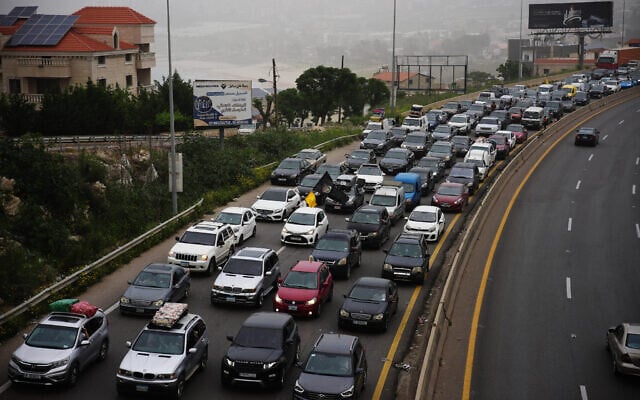
Lebanon’s Al-Mayadeen outlet reported that the Lebanese army had repaired and reopened the Qasmiyeh Bridge, which had been destroyed during the fighting, and had opened new routes into the south after Israeli forces blew up key crossings over the Litani River and issued sweeping evacuation orders for southern Lebanon, leaving hundreds of thousands displaced.
Restrictions lifted
In Israel, the Home Front Command lifted nearly all wartime restrictions nationwide, allowing schools, workplaces and public gatherings to resume regular operations. Limits remained in communities along the northern border, where gatherings will remain restricted to 1,000 people until Saturday at 8 p.m.
Similarly, Culture and Sport Minister Miki Zohar said that, beginning Saturday night, all restrictions on cultural and sporting events would also be removed, enabling full celebrations for Israel’s upcoming Independence Day after weeks of disruption.
“The public will return to sports fields as usual, culture will return to full activity,” he said.

