

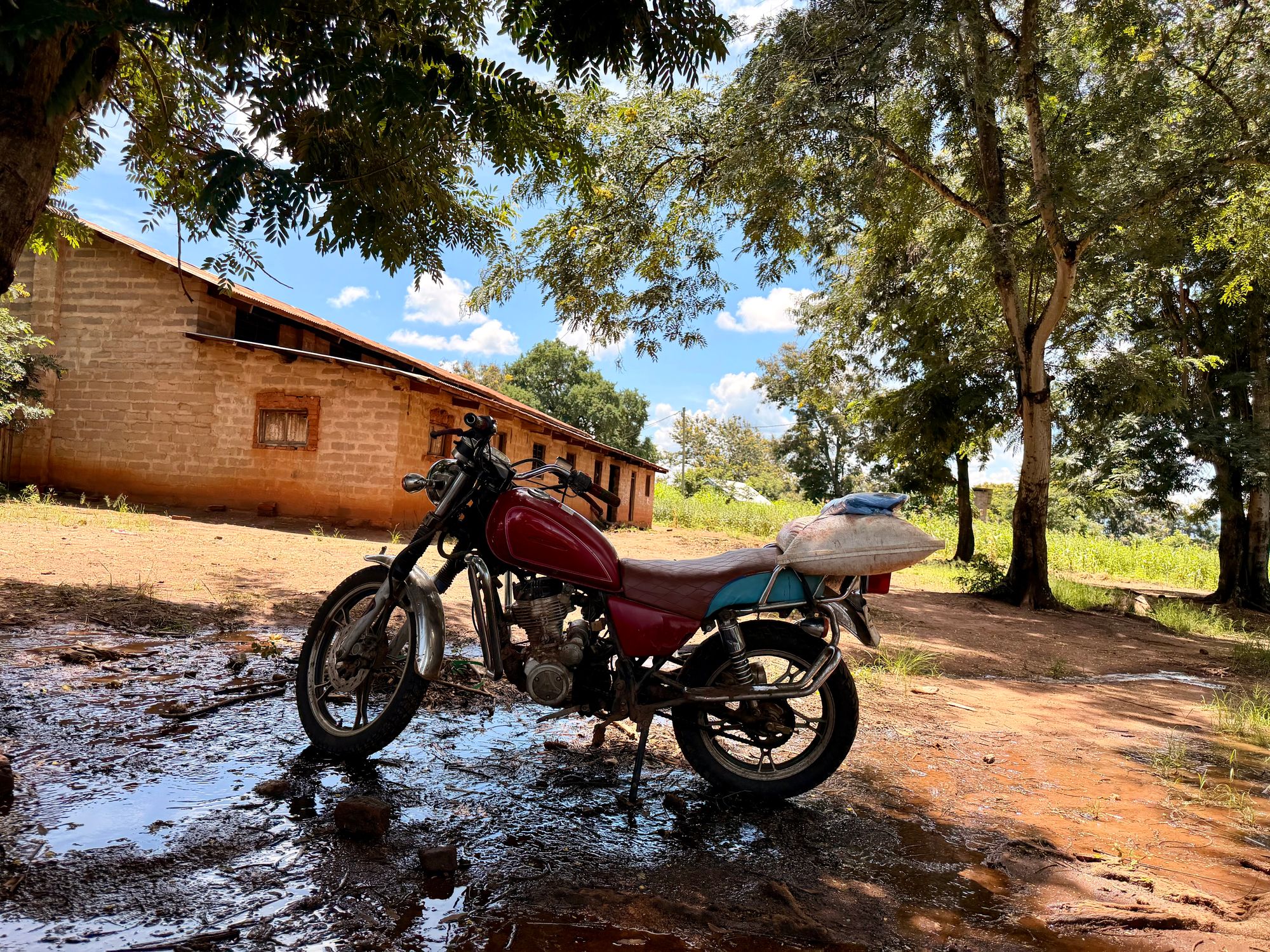
One noise that seems ubiquitous in Tanzania’s villages is a revving motorbike, often making its way across a difficult dirt road while overloaded with farm produce to sell. A recent study found that nearly 90 per cent of vehicles on rural Tanzanian roads are motorcycles, or boda bodas, with their riders a critical part of the local economy.
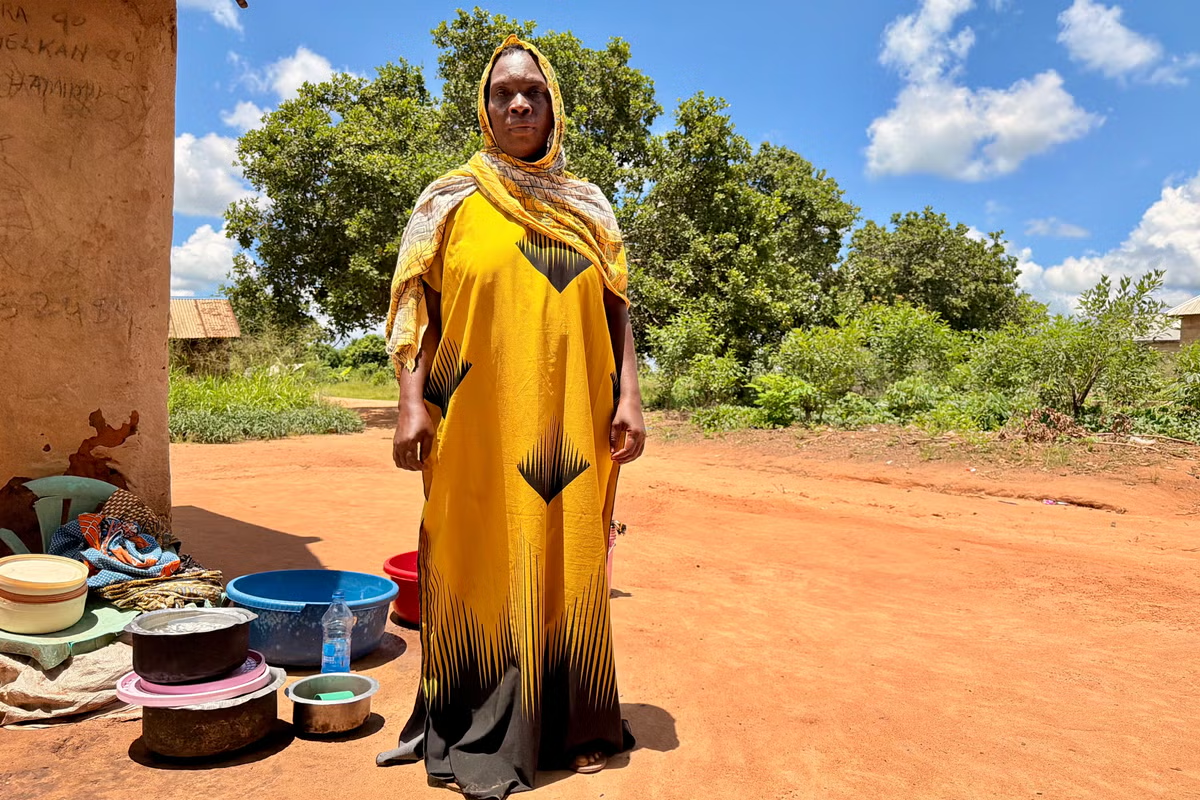
So when the motorbike mechanic in the village of Mwavi, in the Bagamoyo District of Tanzania, fell ill with malaria and died a few days later, a keystone of the community was gone. “He told us he had a terrible headache, so he went to the hospital, and they gave him some pills,” explains Mgeni, a mother of five who lives in Mwavi. “When he didn’t improve, he went back, but they told him it was too critical, so he was lost. It is very sad because he was such a big part of the community.”
Tanzania is a country where the mosquito-borne disease remains endemic, with its population of 70 million accounting for roughly four per cent of global malaria deaths. The latest figures say that in 2024, there were 9.4 million cases and 26,000 deaths. This is in spite of the fact that numerous effective treatments exist for the disease, and the fact that the risk is significantly reduced if you sleep under an insecticide-treated bed net.
The global picture suggests that factors including climate change and antimicrobial resistance are pushing outcomes in the wrong direction, with worldwide deaths increasing from 598,000 in 2023 to 610,000 in 2024. A particularly cruel aspect of the disease is that three-quarters of those deaths are children under five.
In recent years, though, Mwavi’s experience of malaria has taken a significant turn for the better. “I would say the number of people infected with malaria has fallen maybe 90 per cent over the past five years,” says Mgeni.
The major reason for this change has been the village’s participation in a field trial for a malaria vaccine, known as R21, which was developed by Oxford University’s Jenner Institute and first approved by WHO for use in 2023. Mgeni’s own six-year-old daughter has participated in the trial, and her claim that the vaccine has transformed malaria’s impact on the village is confirmed by Dr Angela Gwakisa, the clinician overseeing the work across the Bagamoyo district.
“We have definitely seen a reduction in malaria in our data over the past five years, and that has only improved as we have given out booster doses,” Dr Gwakisa explains. While only children were in the trial, it has also reduced malaria in adults because the vaccine blocks malaria parasites from spreading the disease. Most people get malaria when bitten by an infected mosquito carrying the malaria parasite. For the mosquito to become infective, it must bite a person already infected with malaria parasites. About one week later, that same mosquito will bite the next person and subsequently inject the parasites via her saliva. And the cycle of infection continues.
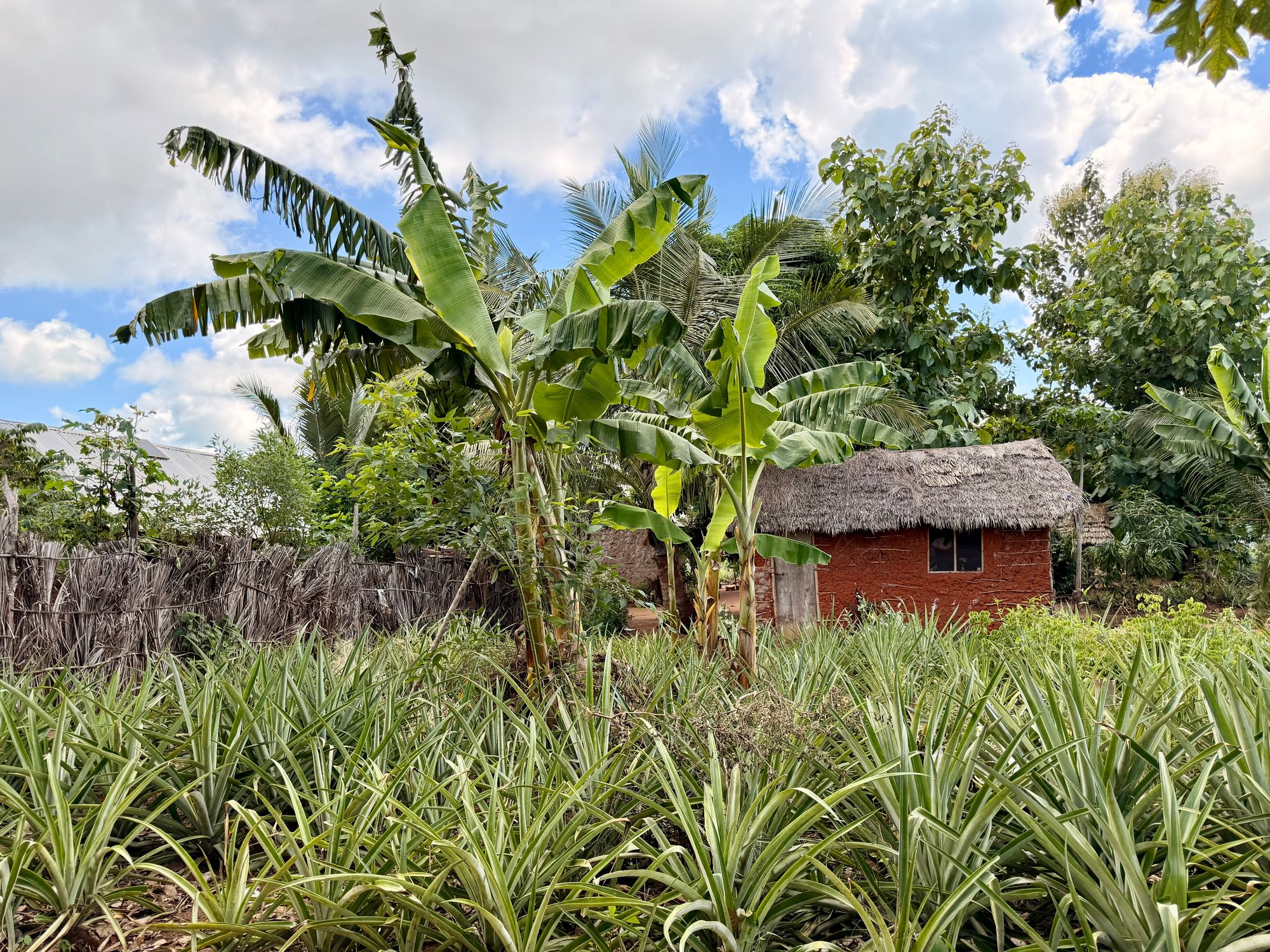
Such has been the village’s appreciation for the vaccine that one mother gave her a gift of 21 pineapples, Dr Angela says, which is the main crop grown by smallholder farmers around Bagamoyo.
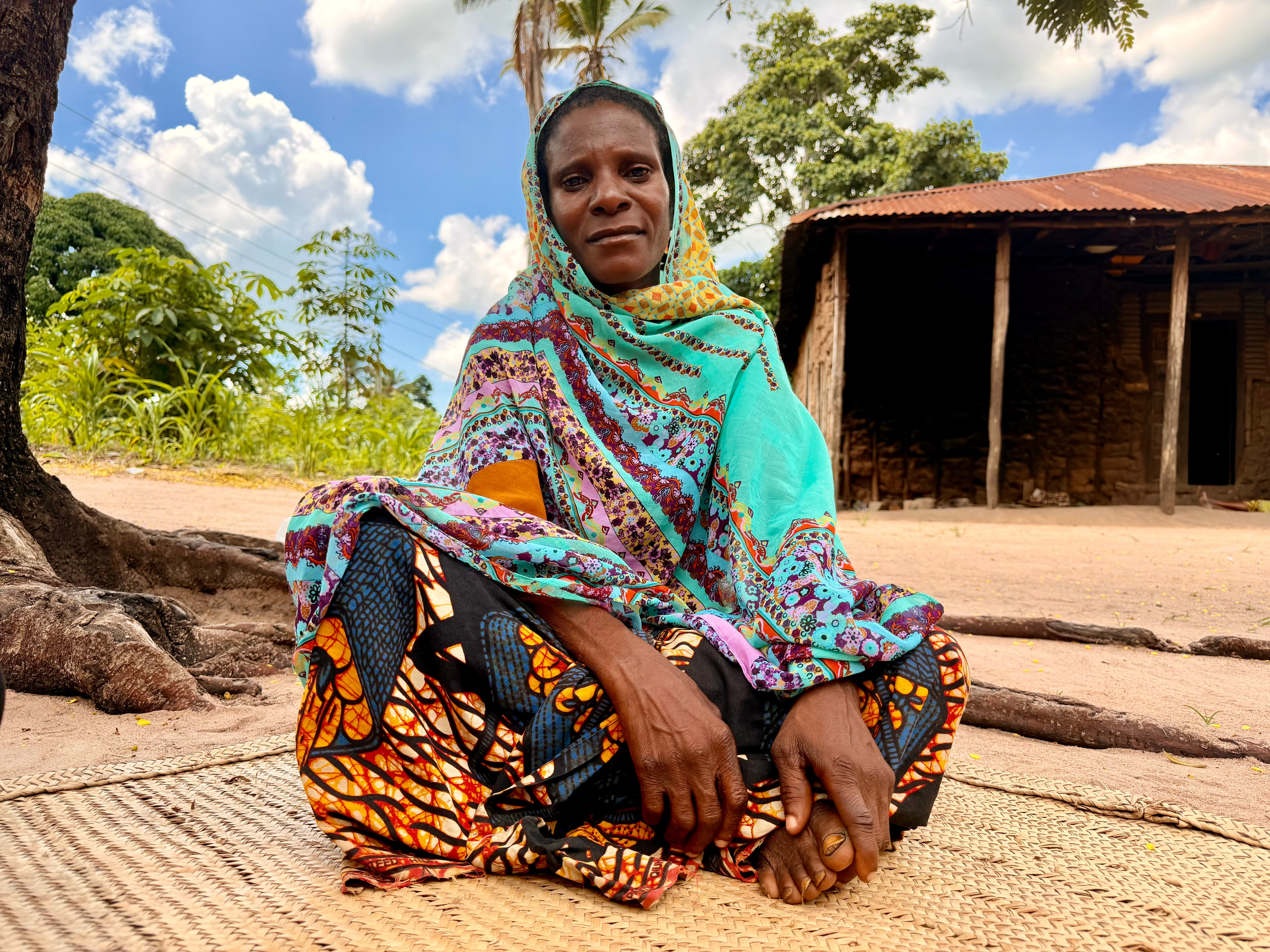
“Ever since the trial of malaria vaccine started, there has been a massive reduction in the frequency of the illness, especially in the children who took part in the trial,” says Amina, another resident of Mwavi, and a mother of two whose youngest child participated in the trial. “This is something we truly appreciate because malaria was such a big problem here.”
However, the success of the trial is tempered by the wider picture around aid for such programmes. Tanzania’s health service has been hit extremely hard by foreign aid cuts, particularly from the US but also from countries like the UK, with HIV/AIDS, maternal health, and malaria particularly reliant on donor support. The closure of the US Agency for International Development (USAID) resulted in $216m lost in aid to Tanzania alone, according to one analysis. Meanwhile, some 5,000 healthcare workers involved in HIV and malaria prevention programs were affected, according to another.
Both Mgeni and Amina report that the USAID-branded vehicles, which would formerly drive through the village distributing mosquito nets no longer come, while some malaria medication that was formerly available at the dispensary is now not always there.
Also, with the Bagamoyo vaccine trial nearly at its conclusion, the results will soon be sent to medical authorities for assessment. Given that the vaccine is already being rolled out in countries including Nigeria and Ghana, it seems likely that it will be approved. However, the big question is whether the government is able to afford to include the vaccine in Tanzania’s routine childhood immunisation programme, particularly given the impact of aid cuts on the country.
“In terms of safety, I can 100 per cent testify as the lead clinician of the study that the vaccine is safe,” she says. “The question that is hanging over us is how ambitious the government will be in terms of their aim to eliminate the disease, and how much they are prepared to budget in order to reach all the remote parts of the country.”
Dr Maxmillian Mpina, a Tanzanian research scientist who is overseeing a trial for RTSS – another malaria vaccine developed by pharmaceutical giant GlaxoSmithKline – adds that Tanzania’s health system is set to continue feeling the impacts of aid cuts in the years to come.
“We expect to see impacts continuing in the years to come because the government messed up its budget in order to cover the sudden loss of funding from the aid cuts,” he explains. “The government has just started reorganising its finances to respond to that hit, and the country is struggling with the impacts of this reorganisation.”
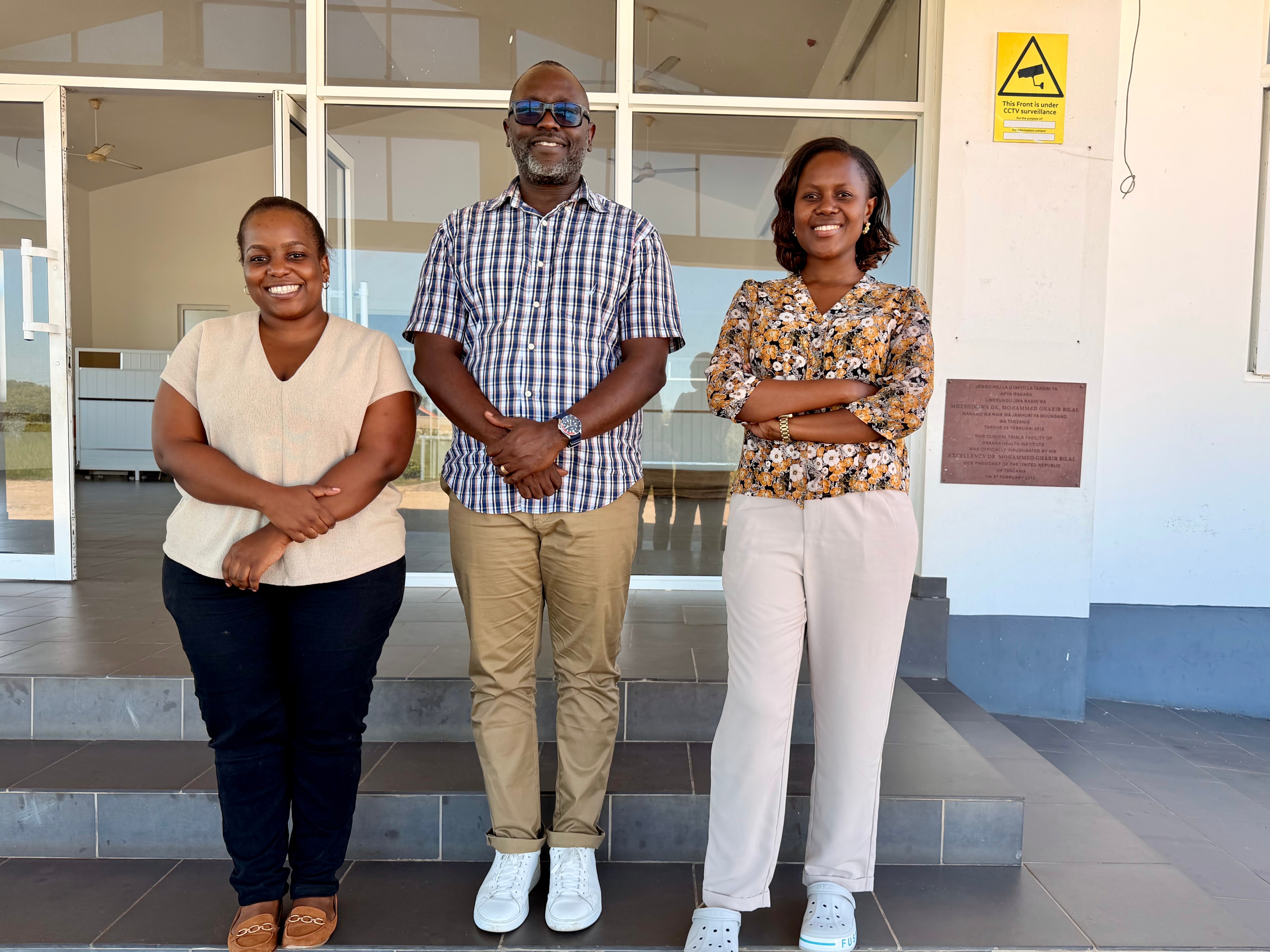
The story of aid cuts threatening Tanzania’s ability to fight malaria is also not unique to vaccines.
Both Dr Angela and Dr Maximillian’s vaccine trials are being overseen by Tanzania’s Ifakara Health Institute, one of Africa’s leading disease research organisations, with programmes spanning tuberculosis, rabies and HIV. Like similar organisations in the Global North, Ifakara relies on a mix of philanthropic and public funding to sustain its work – a funding model that has recently come under strain following the termination of a USAID programme worth $15m per year, which had employed around 800 people.
There is a strong sense upon speaking to scientists at Ifakara’s research campus in Bagamoyo town that people are worried that the reduced funding could impact both research into high-tech malaria solutions, as well as the roll-out of malaria control products.
“There was a trickle-down effect from USAID ending their funding, because foundation money from other projects was redeployed, which meant that some research streams that were never funded have been put on hold,” says Dr Brian Tarimo, a research scientist working on Transmission Zero, which is a project producing genetically engineered mosquitos that are unable to pass on the malaria parasite.
Dr Sarah Moore, who works to counter antimicrobial resistance by evaluating mosquito control products like bed nets and repellants, says that research funding has been “decimated” across the institute. “I have sat in on meetings with the Tanzanian government where we have been trying to figure out how to get enough bed nets to cover the population,” she says. “I have halved my consultancy fee for the WHO, and I have taken on fewer PhD students because there just isn’t any money any more.”
Even before the impact of aid cuts, the $3.9bn that was being invested in malaria eradication annually is less than half the $9.3bn needed to put the world on track for eradication, according to the WHO, and all the evidence points to that number now falling considerably as a result of cuts to foreign aid.
Dr Sarah adds that risk factors, including population growth, climate change, which increases the prevalence of standing water where mosquitoes breed, and growing resistance to insecticides, all mean that malaria research programmes require consistent high funding across multiple research areas in order to keep ahead of malaria’s spread. Any suggestion that a groundbreaking new technology might be able to fill the gap left by the aid cuts does not stand to reason, she adds.
“Even if a major technological breakthrough happens, we still need a lot of money to invest in production and have the boots on the ground to actually implement it,” she says. “Look at polio: we have a vaccine that is lifelong, yet we still have not managed to do the last mile because of how challenging this is.”
Beyond novel technologies to prevent the infection, the other part of the malaria response puzzle that requires healthy levels of funding is the research into developing medicines to keep treating the disease as the parasite develops immunity to older products.
Medicines for Malaria Venture (MMV) is an organisation that has been at the heart of this particular endeavour since 1999, developing 19 new antimalarial drugs through a public-private partnership model that works with pharmaceutical companies and philanthropic or pubic donors – including the UK’s Foreign Office – in order to develop medicines that the companies would otherwise not have any incentive to produce.
These drugs from MMV have treated and protected an estimated 1.5 billion people worldwide – and they speak to the absolute necessity of grant-based financing in malaria treatment programmes, according to MMV CEO Martin Fitchet.
“We rely on partnership with the pharmaceutical industry because their expertise is essential, and on donors to ensure the medicines we co-develop are affordable for the communities they serve,” he says, speaking to The Independent over Zoom from Switzerland. “But it’s not just about developing new medicines; health systems also need sustained financing to deliver them.
“If you stop funding the health systems, people will die today, and if you stop funding the R&D, people will die tomorrow. And that’s not a choice we should be making.”
This article has been produced as part of The Independent’s Rethinking Global Aid project
🚨 BREAKING: Watch the full clip here ➤

