The US-Israeli war with Iran is creating the worst energy crisis the world has ever faced, the head of the International Energy Agency (IEA) said on Tuesday.
“This is indeed the biggest crisis in history,” agency chief Fatih Birol told France Inter radio in an interview broadcast on Tuesday.
“The crisis is already huge, if you combine the effects of the petrol crisis and the gas crisis with Russia,” he added.
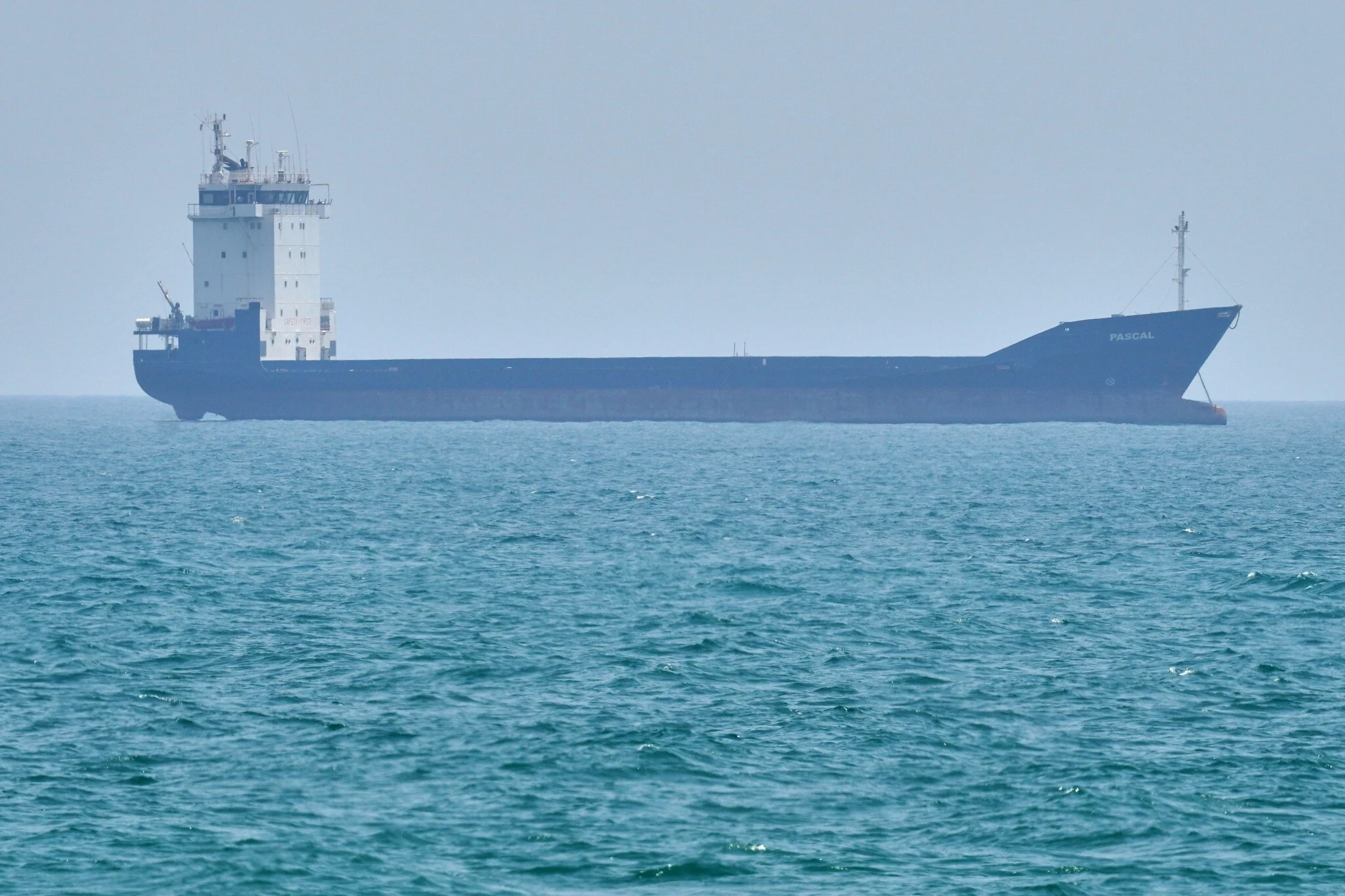
At the start of the war, Iran blocked maritime traffic in the Strait of Hormuz, which is a conduit for a fifth of global oil and liquefied natural gas flows.
It has also come on top of the effects of Russia’s war with Ukraine, which had already severed Russian gas supplies to Europe.
Birol had said earlier this month that he viewed the current situation in global energy markets as worse than previous crises in 1973, 1979 and 2022 combined.
The 1973 crisis was caused by the Yom Kippur War, when Egyptian and Syrian forces launched an offensive against Israel. Six Arab members of the OPEC oil cartel declared an embargo on exports to countries supporting Israel, notably the United States, leading to a spike in oil prices, recession and inflation.
In March, the IEA agreed to release a record 400 million barrels of oil from strategic stockpiles to combat rising oil prices caused by the war in Iran.
The European Union gave a similarly stark assessment of the current crisis, saying that the coming summer will be difficult for Europe due to fuel shortages caused by the Iran war.
The EU is preparing measures to curb the impact the war is having on jet fuel supply, Energy Commissioner Dan Jorgensen told reporters in Madrid on Tuesday.
“If needed, we may redistribute and share jet fuel resources we have,” he said.
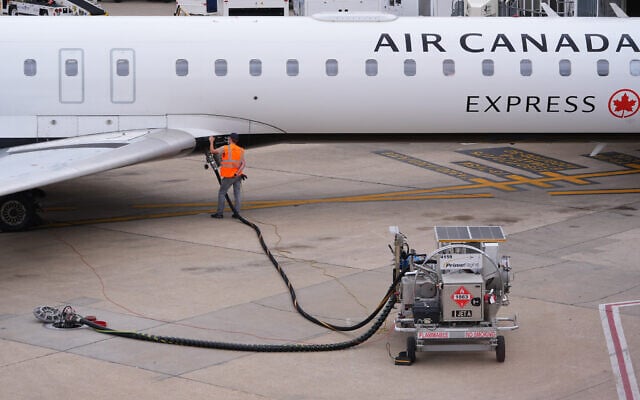
European airlines have warned of imminent jet fuel shortages as a result of the Iran war and blocakge of the Strait of Hormuz. About 75 percent Europe’s jet fuel supply comes from the Middle East.
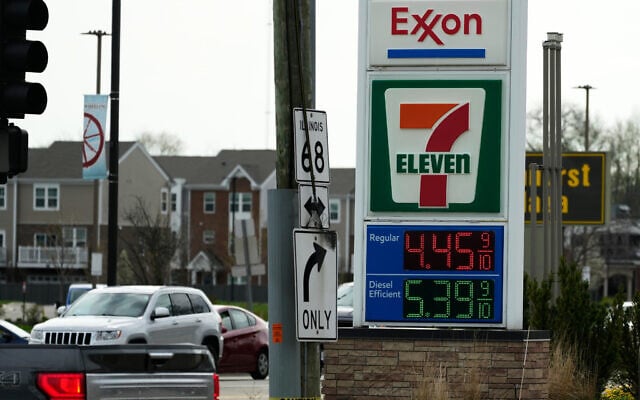
The crisis is impacting markets around the world, costing uninvolved countries billions and threatening long-term trade. According to France’s economy minister, the crisis has cost France anywhere between 4-6 billion euros ($4-7 billion).
This impact would include higher government debt costs triggered by the current market environment, Economy Minister Roland Lescure told French radio station RTL.
He added that he will present measures to freeze spending on Tuesday and that Prime Minister Sebastien Lecornu would also announce steps to help consumers deal with higher energy prices on Tuesday evening.
Flight costs hike as jet fuel prices rise
Disruption to global oil supplies has added more than $100 to the price of fuel per passenger for long-haul flights from Europe, a cost likely to trigger higher ticket prices, campaign group Transport & Environment (T&E) said.
The rise in jet fuel prices has increased the average fuel cost by 88 euros ($104) for each passenger on long-haul flights leaving Europe and 29 euros on flights within Europe, T&E said.
Its analysis compared prices as of April 16 with those just before the war began on February 28.
Jet fuel for a flight from Barcelona to Berlin would be 26 euros more expensive per passenger, while a long-haul trip from Paris to New York would cost 129 euros more, T&E estimated in its analysis published on Tuesday.
European airlines are preparing for a challenging spring and summer, with jet fuel prices having risen to well over $100 a barrel since the Iran war began and concern growing that shortages could lead to flight cancellations.
Airline executives from carriers including Lufthansa, Ryanair and Air France-KLM said in March that they were likely to pass on higher fuel costs to consumers if the Strait of Hormuz remained closed in the long term.
T&E said its calculations showed the extra costs from the fuel price spike were far bigger than the costs airlines face from complying with EU climate change policies.
“The Middle East crisis proves that our real vulnerability is a tank filled with foreign oil, not the laws designed to fix it,” said Diane Vitry, director of aviation at T&E.
Airlines have called for a rollback of some EU climate policies, including a 2030 mandate to use synthetic green jet fuel as well as a review of upcoming carbon pricing rules.
As part of its package, the EU is set to push for energy independence through greater investments in green jet fuel.
Times of Israel staff contributed to this report.