

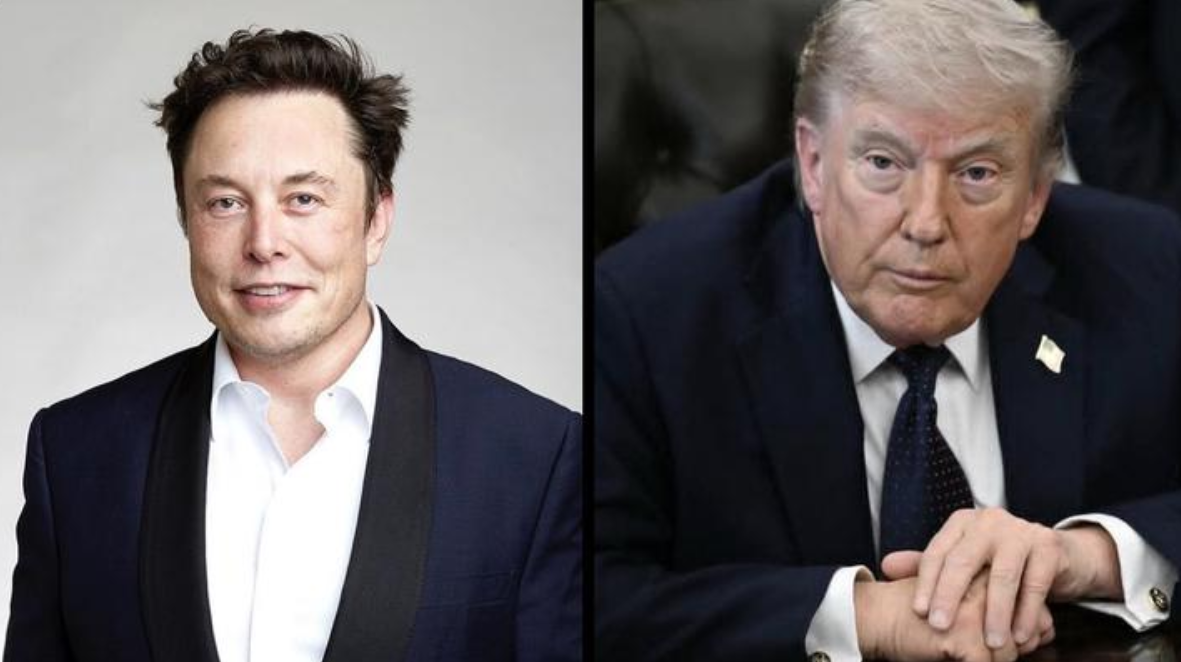
According to a report by Al Jazeera English on Sunday, April 26, 2026, a warning from Elon Musk has drawn renewed attention to concerns over political extremism and the potential consequences of violence in the public sphere. The billionaire entrepreneur, known for his outspoken views on global affairs, issued a stark statement cautioning against the normalization of politically motivated violence.........…
Musk suggested that individuals or groups willing to engage in acts as severe as assassination attempts represent a deeper threat if they were ever to obtain formal political authority. His remarks highlight a broader anxiety about the erosion of political norms and the increasing intensity of ideological divisions across societies...
The statement comes at a time when political rhetoric in several parts of the world has grown more confrontational, with analysts warning that inflammatory language can sometimes fuel real-world consequences. Musk’s comment appears to highlight the importance of safeguarding democratic institutions from actors who may disregard the rule of law or resort to extreme measures to achieve their objectives.
Observers note that public figures, including ... business leaders and policymakers, have increasingly used their platforms to speak out on governance and security issues. Musk’s intervention reflects a growing trend of private sector voices entering conversations traditionally dominated by political leaders and diplomats. While such contributions can broaden debate, they also risk amplifying tensions if not carefully framed.
Security experts emphasize that the stability of any political system relies heavily on adherence to peaceful processes, including elections, dialogue, and lawful dissent. The normalization of violence, they warn, can undermine these processes and create an environment where fear replaces constructive engagement. Musk’s statement aligns with these concerns, drawing a connection between violent intent and the risks associated with unchecked power.
Critics, however, argue that sweeping generalizations about political actors can contribute to polarization. They caution that rhetoric, even when intended as a warning, should be measured to avoid escalating divisions or inadvertently legitimizing distrust in democratic systems…....…

