

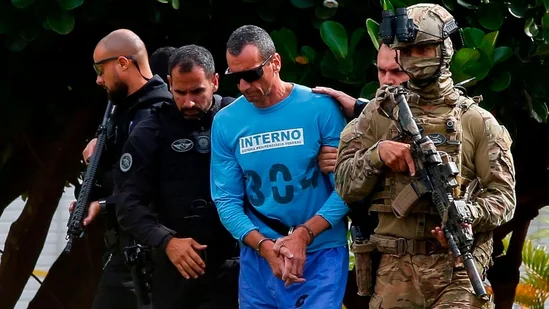
SÃO PAULO—A Brazilian gang founded in the country’s violent prisons is fast becoming one of the world’s biggest criminal organizations, reshaping global cocaine flows from South America to Europe’s busiest ports and edging into the U.S.
Long under Washington’s radar, the First Capital Command, known by its Portuguese initials PCC, started out as a disgruntled band of inmates fighting for soap and toilet paper in the 1990s.
It now has some 40,000 members behind bars and on the streets with a vast network of affiliates—making it the largest criminal group in the Americas by some estimates, operating in nearly 30 countries on every continent except Antarctica.
“The PCC has become a truly transnational group,” said Lincoln Gakiya, Brazil’s top PCC prosecutor, who has tracked its rise for two decades. “I believe it is now the fastest-growing criminal organization in the world.”
With the scale of Italian organized criminal groups and the efficiency of a multinational corporation, the PCC has helped drive record cocaine seizures in Europe and sparked violent turf wars in the heart of major ports in Belgium and the Netherlands.
Prosecutors and police in Brazil are calling on President Trump to label the PCC a Foreign Terrorist Organization, joining more than a dozen other Latin criminal networks.
The PCC is organized crime at its most organized, prosecutors say.
Unlike the narco-tycoons of Mexico, the heavily armed Colombian cocaine militias or the flashy drug lords of Rio de Janeiro’s Red Command gang, PCC members keep a low, businesslike profile, seeking fortune not fame—and shying away from the kinds of gratuitous violence that attract police and TV news crews. New recruits sign up to a strict internal code of conduct, their swearing-in ceremonies sometimes conducted by videoconference.
By adopting religious personas—pretending to be ministers—PCC figures have gone into far-flung regions of Brazil to gain the trust of locals and recruit new members, while securing routes to neighboring cocaine-producing countries.
Many evangelicals here embrace the so-called prosperity gospel—the belief that wealth signals divine favor—helping the gang make inroads in poor communities. In 2023, prosecutors in Brazil’s northern state of Rio Grande do Norte investigated a PCC cell accused of setting up at least seven churches to launder drug money—a practice now so common that authorities have a name for it: narco-Pentecostalism.
Drug profits are also laundered through gas stations, fintechs, real-estate funds, sex motels, car dealerships and construction firms, police say. São Paulo authorities launched an operation against a Chinese-run criminal group in February that investigators say worked with PCC associates to launder more than $200 million through the sale of electronics.
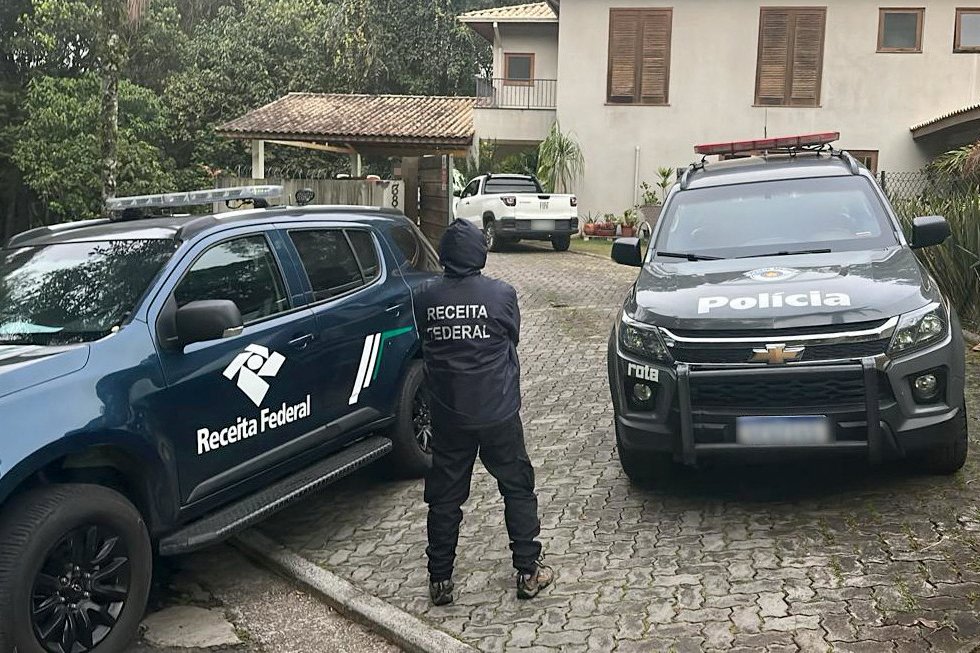
Few crimes are outside the PCC’s reach. Members today are involved in everything from illegal gold mining and cargo theft to cybercrimes and the trafficking of exotic birds, according to dozens of interviews with state security officials.
Coming to America
Cocaine, though, remains the PCC’s core business and that means that the gang has also become America’s problem.
In an organization chart that São Paulo authorities have built there’s now a new category—“North American division.”
The U.S. Treasury Department sanctioned the PCC in 2021 and in 2024 froze the U.S. assets of Diego Gonçalves do Carmo, who laundered some $240 million for the PCC and continues to help run financial operations despite having been jailed in Brazil.
U.S. authorities have since identified individuals affiliated with the PCC in Florida, New York, New Jersey, Connecticut and Tennessee. In Massachusetts, the U.S. Attorney’s Office last year announced charges against 18 Brazilians prosecutors say were linked to the PCC for trafficking handguns, rifles and shotguns—and, in one case, fentanyl.
“The PCC has forged a bloody path to dominance,” the Treasury Department said in a statement at the time of sanctions against Gonçalves do Carmo, calling it “one of the most significant narcotics trafficking organizations” in Latin America.
Born in captivity
When the PCC was born in August 1993 inside the grimy walls of the Taubaté high-security prison in São Paulo state, its founders weren’t seeking world domination.
They demanded better sanitation and beds, among other basics. Brazil’s prisons were slum-like infernos—some of the world’s most overcrowded and violent, plagued by tuberculosis and lice—and rights groups said guards routinely beat inmates. Resentment was simmering at Taubaté after 111 inmates had months earlier been killed when police crushed a rebellion at another prison not far away.
Eight prisoners formed a pact of loyalty at Taubaté, vowing to protect each other against the guards.
What then followed was one of the biggest policy mistakes in Latin American law enforcement history.
Alarmed by the growing jailhouse fraternity, authorities tightened prison controls and transferred inmates to other states. This only accelerated the PCC’s national expansion and hardened its resolve. “Peace, justice and freedom” became the PCC’s rallying call, as it cast itself as a parallel power to a state whose abuses—from prison officials to politicians—help the gang draw recruits.
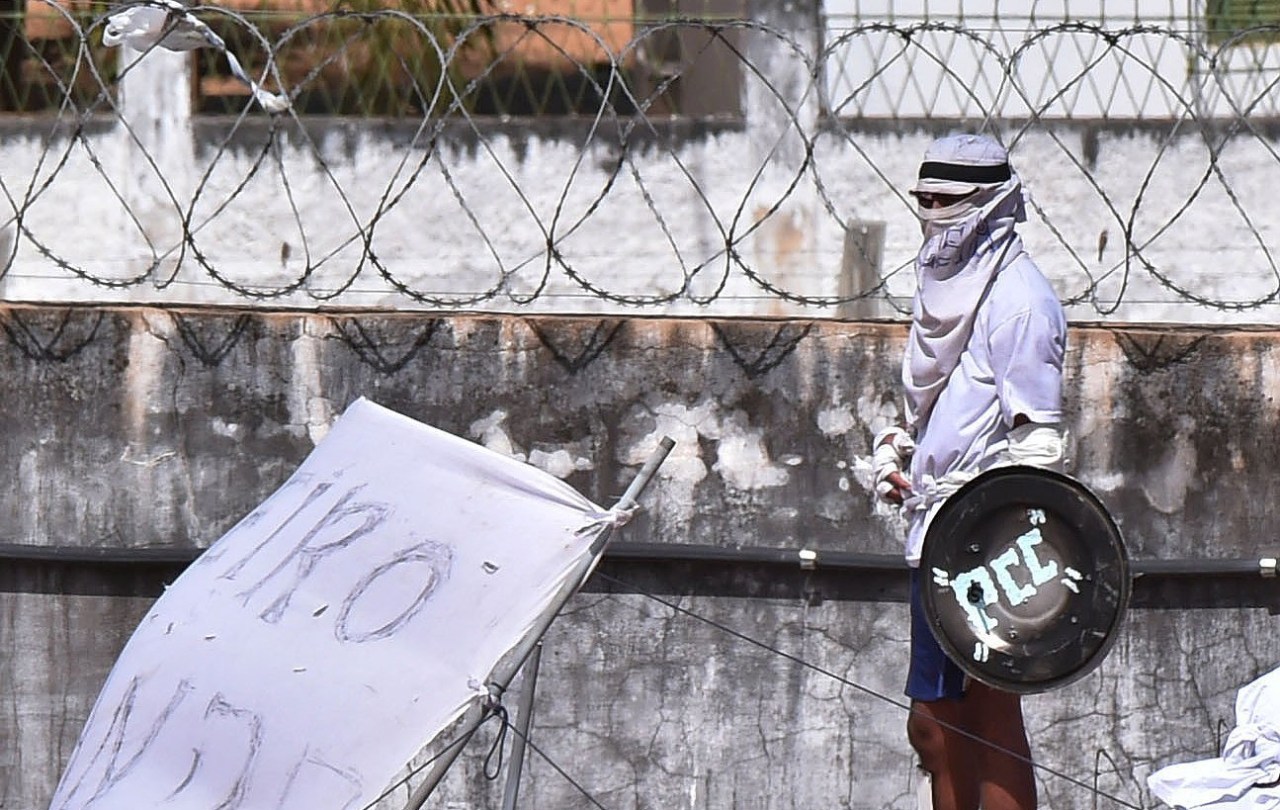
Over the next three decades, the transferred inmates set up new PCC cells in prisons across the country and tightened their grip behind bars, both in Paraguay and Brazil, where thousands of active members remain in jail. The PCC assigns cells, distributes contraband and even produces its own prison rum, “Crazy Maria.”
The state has been unable to bring PCC inmates under control. The country’s chronically overcrowded and understaffed prisons struggle to enforce even basic rules such as bans on cellphones, enabling gang leaders to keep running criminal operations from their cells.
‘Tie brigade’
Inmates are recruited in exchange for legal help from its army of lawyers, known as “the tie brigade.” Those PCC members who disobey rules are punished through internal jailhouse trials, which can end in torture or execution, authorities say.
But the gang’s biggest expansion has been outside the prison walls—as the group set its sights on securing cocaine from the world’s three main producers—Colombia, Peru and Bolivia—at wholesale prices.
That has brought the PCC to the world’s biggest rainforest, the Amazon.
The PCC is a household name in villages like Urucurituba, 1,600 miles north of São Paulo’s squalid jails, where the vast milky Madeira River cuts through the rainforest.
Like many riverside communities, Urucurituba doesn’t have a resident doctor or even police officer. But it does now have its own drug dealer—several of them.
“We’re in the hands of the traffickers now,” said Jeffesson Ribeiro, who runs a small hotel by the pier, where drug gangs have started a soccer team to recruit young men.
Parallel justice system
With no police presence, the traffickers operate a parallel justice system in the village of some 500 families—punishing petty thieves and meting out brutal justice as they see fit, residents said.
“They used to do things in hiding, now they fear no one,” said a worker at one of the village’s makeshift restaurants. During the night, locals sometimes hear the screams of those being tortured by the gang members, he said.
The gang’s expansion cut out the middlemen who used to smuggle the drug into Brazil from largely remote and unchecked borders.
PCC figures have battled for control of the Amazon rainforest—whose waterways connect with cocaine-producing countries—with the help of corrupt local authorities and by going so far as to pose as evangelical pastors spreading the word of God, said Marcus Vinícius Almeida, who just stepped down as public security secretary for Amazonas state.
Though churches oppose organized crime and offer themselves as a path out of gangs, the PCC offers recruits a future in a system “made for the poor by the poor,” said Bruno Manso, a foremost authority on the gang and co-author of “The War: The Rise of the PCC and the World of Crime in Brazil.” Manso said the PCC provides what recruits feel they can’t get elsewhere: escape from “the utter misery of urban life.”
The PCC’s move north hasn’t been easy. It cost it its longstanding truce with Rio’s Red Command gang and its local allies, setting off bloody turf battles across the forest from 2016 to today. To buttress its forces, the PCC has had to recruit renegade guerrillas who didn’t participate in a 2016 peace accord in Colombia, according to state prosecutors, gaining seasoned fighters and bomb makers as well as access to military-grade weapons.
The efforts have paid off handsomely. Authorities estimate the PCC moves several tons each month though the Amazon, with many small cities and towns in the world’s largest rainforest now under the group’s control.
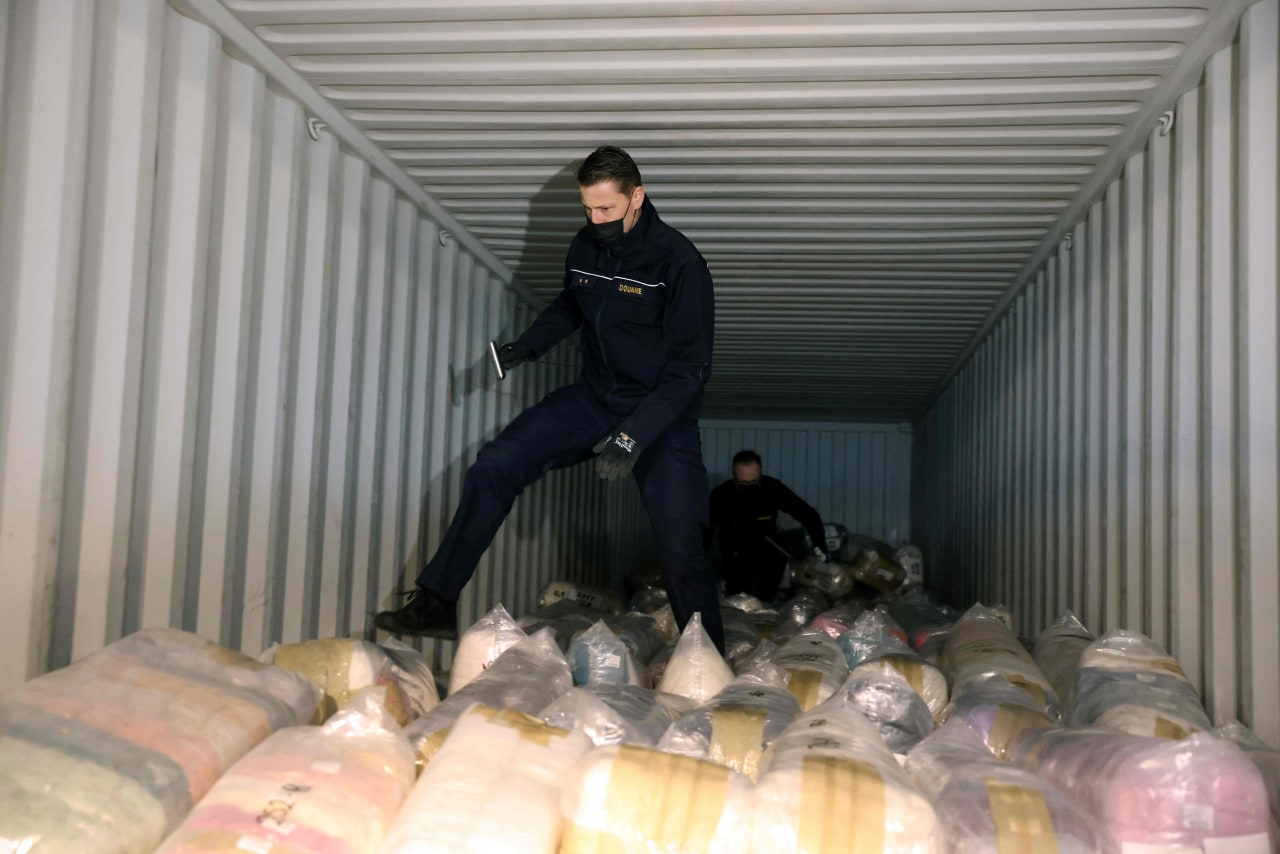
Trucks, river barges, light aircraft and helicopters carry cocaine through the dense jungle to the Atlantic coast, where it is smuggled aboard containerships to transit points in West Africa en route to growing markets in Europe, authorities say.
Antwerp, Rotterdam and Hamburg are among the top destinations, where violence has spilled into the streets as the PCC’s local partners and others battle to carve up the cocaine trade. Grenade attacks, shootings, murders, torture and kidnappings have been documented by port police.
Like other large organized crime groups in Latin America, the PCC’s interest doesn’t just lie in drugs. In addition to mining gold, its members have branched into timber extraction, human trafficking, illegal fishing and poaching, and even the enslavement of some indigenous communities, said Almeida.
Europe, though, is the region where the PCC has found its most lucrative business opportunities.
Cocaine seizures in the European Union have now hit record highs for seven straight years, with the most recent figures showing 419 tons seized across member states in 2023, led by major entry hubs such as Belgium, Spain and the Netherlands.
Much of that has sailed out of the Port of Santos just southeast of São Paulo, Latin America’s biggest container port.
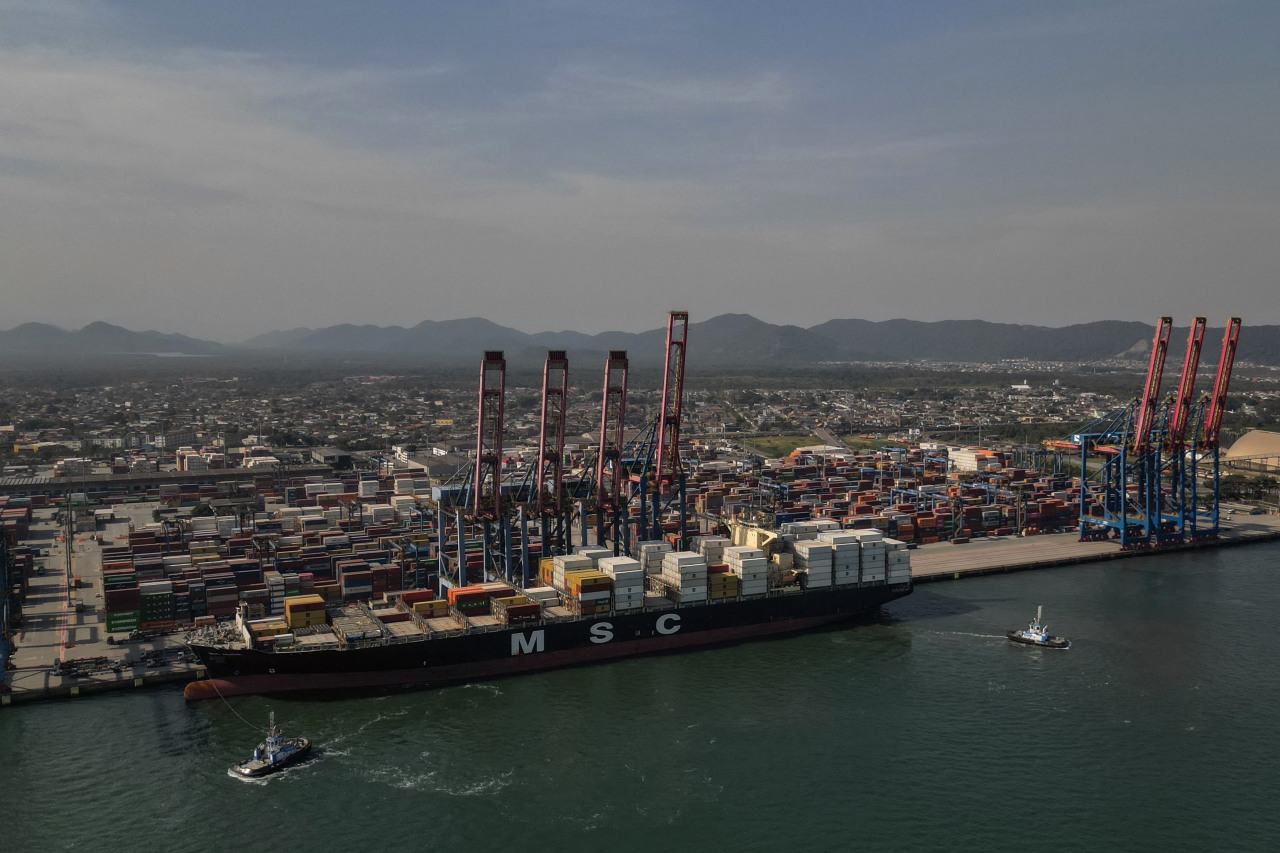
Divers and welders have been arrested in recent years for hiding cocaine in the hulls of ships bound for Europe and Africa, in some cases packing as much as half a ton of the drug into underwater recessed chambers in the dead of night.
Today, the PCC operates more like a marketplace or regulatory agency rather than a traditional organization—while eschewing a hierarchical structure like some cocaine gangs. “It became the government of the illegal world,” said Manso, the author who has written extensively on the PCC.
No member is above the rules in a gang that lives by the importance of “equality” and “union,” but anyone can prosper as long as they remain loyal, said Manso. Free-market capitalism is a mantra.
“If you want to sell drugs to the Netherlands and you have capacity to do so, then you can,” he said. “If you want to launder money through a gas station, go for it…it’s a ‘government’ with a liberal mindset that allows everyone to earn money.”
That horizontal structure allows the PCC to expand rapidly without territorial control. In recent years it has repurposed port terminals and other logistical infrastructure and forged partnerships with Italy’s ’Ndrangheta, Japan’s Yakuza and Albanian and Serbian gangs in West Africa. Gakiya, the prosecutor, calls the alliances “criminal convergence.”
Without the top-down hierarchy of other drug-trafficking groups, the PCC is harder to decapitate—so much so that it has flourished even though its longtime leader, Marcos Willians Herbas Camacho, known as Marcola, has been in jail since 1999.
A former street thief who became an avid reader of Dante, Marcola has ordered killings and helped orchestrate the PCC’s transnational expansion, even marrying and fathering children behind bars. Yet, investigators say the group now doesn’t depend on any single leader.
Officials no longer talk about eliminating the PCC but managing its uneasy coexistence with the state—often leaving investigators frustrated or stunned by the links between gangsters and the state itself.
Police in February arrested the operator of a multimillion-dollar fintech that authorities believe financed electoral campaigns in the 2024 municipal elections to secure garbage-collection contracts, bus concessions and fuel-supply deals.
Colonel Pedro Lopes, head of intelligence for São Paulo’s military police at the time of the vote, said the PCC’s infiltration of politics across Brazil’s wealthiest state had taken even the most experienced investigators by surprise.
“It’s so much bigger than I thought.”
Write to Samantha Pearson at [email protected]
🚨 BREAKING: Watch the full clip here ➤

