

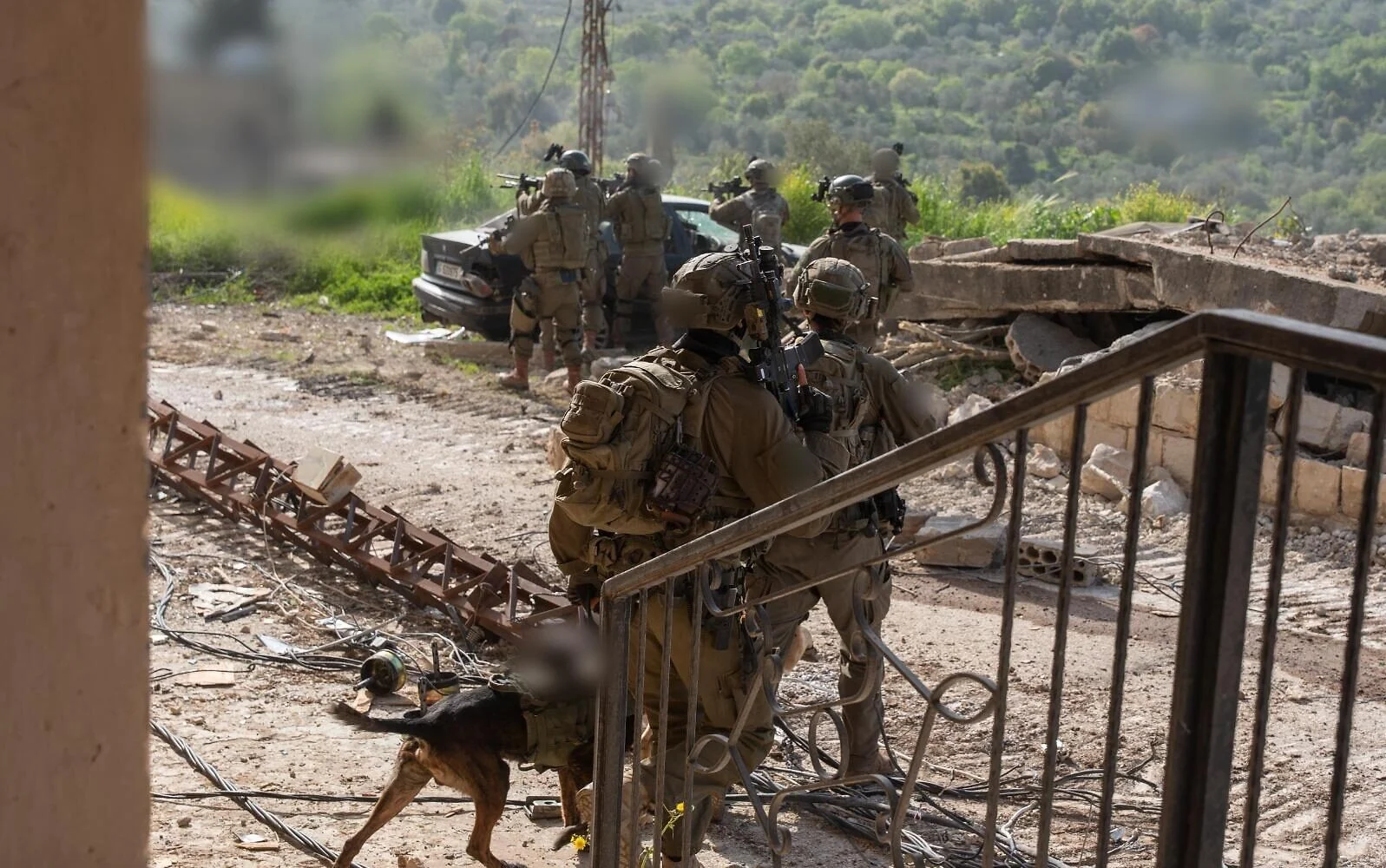
Hezbollah fired a salvo of rockets at northern Israel late Thursday night, in the first-such breach of the shaky ceasefire, shortly before US President Donald Trump announced the truce would be extended as envoys from Beirut and Jerusalem met in Washington.
The salvo came hours after the Israel Defense Forces launched strikes that it said killed several Hezbollah operatives in southern Lebanon, where local media reported three people were killed in another Israeli airstrike.
Hezbollah launched four rockets from Lebanon at the northern border community of Shtula around 11:30 p.m. According to the IDF, all of the rockets that crossed the border were intercepted. There were no reports of injuries.
In a statement, Hezbollah took responsibility for the attack, saying it was a response to an Israeli violation of the ceasefire when it allegedly carried out artillery shelling in the southern Lebanon town of Yater earlier in the day that reportedly injured two people, including a child.
The IDF later said it struck the launcher “within several minutes” of Hezbollah using it to target Shtula, along with another launcher “that was loaded and ready to be launched” at Israeli troops.
Hezbollah also took responsibility for several other attacks on Israeli forces stationed in southern Lebanon throughout Thursday, despite the ceasefire.
תוך דקות ספורות: צה”ל תקף את המשגר ששיגר מספר רקטות לעבר מרחב שתולה לפני זמן קצר
צה”ל תקף תוך דקות ספורות את המשגר ממנו נורו מספר רקטות לעבר מרחב שתולה.
בנוסף, הותקף משגר נוסף טעון ומוכן לשיגור, שהיווה איום על כוחות צה”ל ומדינת ישראל pic.twitter.com/PJUa91Tp4y
— צבא ההגנה לישראל (@idfonline) April 23, 2026
The incident marked the first Hezbollah rocket attack on Israeli territory since the ceasefire took effect last week for an initial 10-day period, which Trump said would be extended by three weeks as he hosted the Israeli and Lebanese ambassadors to the United States for high-level negotiations.
The talks in Washington were scheduled to be held at the State Department but moved at the last minute to the White House, an Israeli source told The Times of Israel. According to a Lebanese official, Beirut had requested a one-month extension to the ceasefire and a halt to the destruction in areas where the IDF is deployed and where Israel has said it seeks to establish a buffer zone.
Ahead of the talks on Thursday, Prime Minister Benjamin Netanyahu was set to hold a conference call with ministers and senior defense officials to discuss developments in Lebanon and Iran, Hebrew media reported.
The negotiations are the first direct, sustained contact in decades between Israel and its northern neighbor, which have technically been at war since 1948, when Israel was established.
The first round of negotiations took place on April 14. Two days later, Trump announced a ten-day ceasefire between Israel and Lebanon, which is set to expire on Sunday. The ceasefire came as Iran warned that Israel’s continued attacks in Lebanon could upend the ceasefire that Trump announced with the Islamic Republic on April 8.
Israel and Hezbollah have continued exchanging smaller-scale blows, accusing each other of violating the Lebanon ceasefire.
On Thursday evening, Lebanon’s health ministry said three people were killed in an Israeli strike in the southern Lebanon town of Shoukin, close to Nabatieh. According to the IDF, the three were Hezbollah operatives who earlier fired an anti-aircraft missile at an Israeli drone over southern Lebanon, in an unsuccessful attempt to down the unmanned aircraft.
חיל-האוויר תקף וחיסל מוקדם יותר היום, שלושה מחבלים מארגון הטרור חיזבאללה, ששיגרו טיל קרקע-אוויר לעבר כלי-טיס של חיל-האוויר ללא הצלחה.
באירוע נוסף, מחבלים שיגרו רחפן נפץ לעבר כוחות צה”ל הפועלים בדרום לבנון. זמן קצר לאחר מכן, צה”ל תקף תשתיות טרור במרחב. pic.twitter.com/sazwRfA7EG
— Israeli Air Force (@IAFsite) April 23, 2026
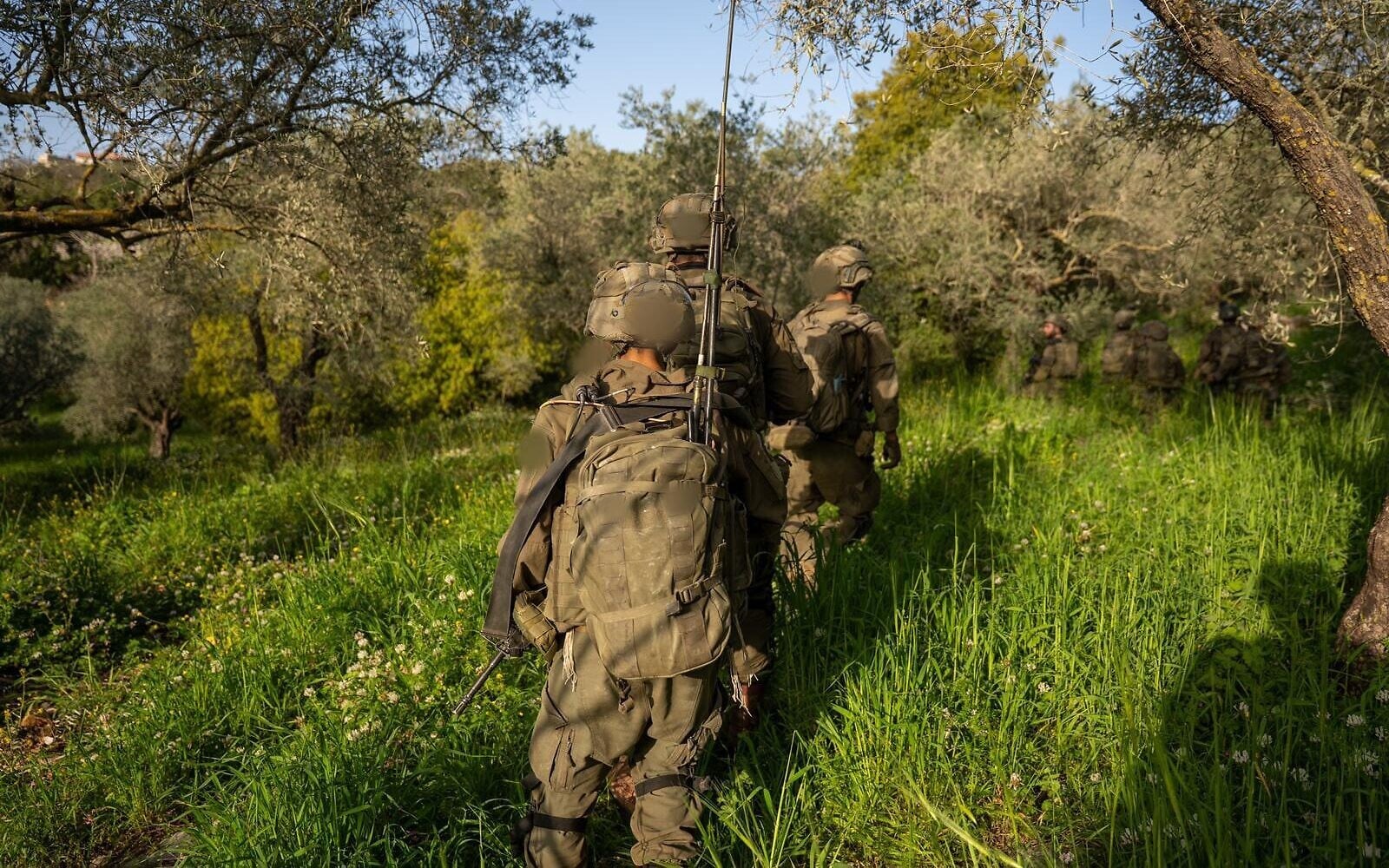
Earlier in the day, the IDF said Commando Brigade troops stationed in the southern Lebanese area of Bint Jbeil killed two armed Hezbollah operatives who approached them in the village of Aynata.
The troops identified “two armed terrorists who approached the forces in a manner that posed an immediate threat,” and “eliminated the terrorists to remove the threat,” the IDF said.
It later said that Hezbollah fired several rockets at troops operating in the Aynata area, which struck next to the soldiers but did not result in injuries.
In another incident, the IDF said it fired an interceptor missile on Thursday at a “suspicious aerial target” identified over an area of southern Lebanon where troops are stationed.
The target did not cross into Israeli territory, and no sirens were triggered in Israel, the IDF said, identifying the target as a suspected Hezbollah drone and saying it was successfully intercepted.
Hezbollah said in separate statements that it twice targeted targeted Israeli soldiers in the southern Lebanese village of Taybeh, and downed a drone over Majdal Zoun on Thursday. In Taybeh, Hezbollah said it used a drone as well as “appropriate weapons,” by which the terror group usually means anti-tank missiles.
The IDF said the explosive-laden Hezbollah drone lightly wounded a reservist soldier, with forces striking Hezbollah sites in the area in response.
Hezbollah also claimed to have fired rockets at Israeli troops stationed in the Bint Jbeil area, and targeted an IDF bulldozer that was demolishing homes in the southern Lebanese town of Rachaf on Thursday evening. The IDF later said Hezbollah fired an anti-tank guided missile at Israeli troops, striking near them but resulting in no injuries.
Defense Minister Israel Katz has said that the IDF would raze all of the Lebanese border villages — with the exception of several Christian communities — though military commanders have insisted that the army is only destroying Hezbollah infrastructure, which they say is often embedded within civilian homes.
IDF says it killed Hezbollah rocket operator, found underground command center
Separately, the IDF said Thursday said that it killed a Hezbollah operative on Wednesday while he was operating a rocket launch site in southern Lebanon.
The operative was targeted in an airstrike on the launch site in Sejoud to “prevent a direct threat to the communities of northern Israel,” the IDF said.
In addition, the military said Thursday that it uncovered an underground Hezbollah command center located 25 meters beneath a clothing store in the southern Lebanese town of Khiam.
Inside the tunnel, troops found weapons and several rooms that were used by Hezbollah “for managing the fighting,” the IDF said.
The IDF says it uncovered an underground Hezbollah command center, 25 meters below a clothing store in the southern Lebanon town of Khiam.
Inside the tunnel, the military says troops found weapons and several rooms that were used by Hezbollah “for managing the fighting.” pic.twitter.com/NtcOp8pAPN
— Emanuel (Mannie) Fabian (@manniefabian) April 23, 2026
Israel has pushed troops deeper into Lebanon and carried out massive airstrikes there after Hezbollah on March 2 starting firing rockets at Israel for the first time since a November 2024 ceasefire agreement that ended over a year of conflict.
The Iran-backed terror group has said it renewed its attacks in response to both Israel’s continued attacks and presence in Lebanon since that agreement, and the killing of Iran’s supreme leader Ali Khamenei at the start of the US-Israeli bombing campaign in Iran on February 28.
Israel’s strikes since March 2 have killed over 2,000 people in Lebanon and displaced about a million, according to Lebanese authorities, while the IDF says it has killed some 1,700 Hezbollah operatives, including hundreds of members of the terror group’s elite Radwan Force.
Hezbollah fired hundreds of rockets a day in the fighting that began on March 2, according to the IDF. The rockets killed two Israeli civilians, and another was mistakenly killed in the north by Israeli artillery shelling.
Fifteen IDF soldiers have been killed in southern Lebanon, including two during the ceasefire with Hezbollah.
France touts its part in talks despite absence from them
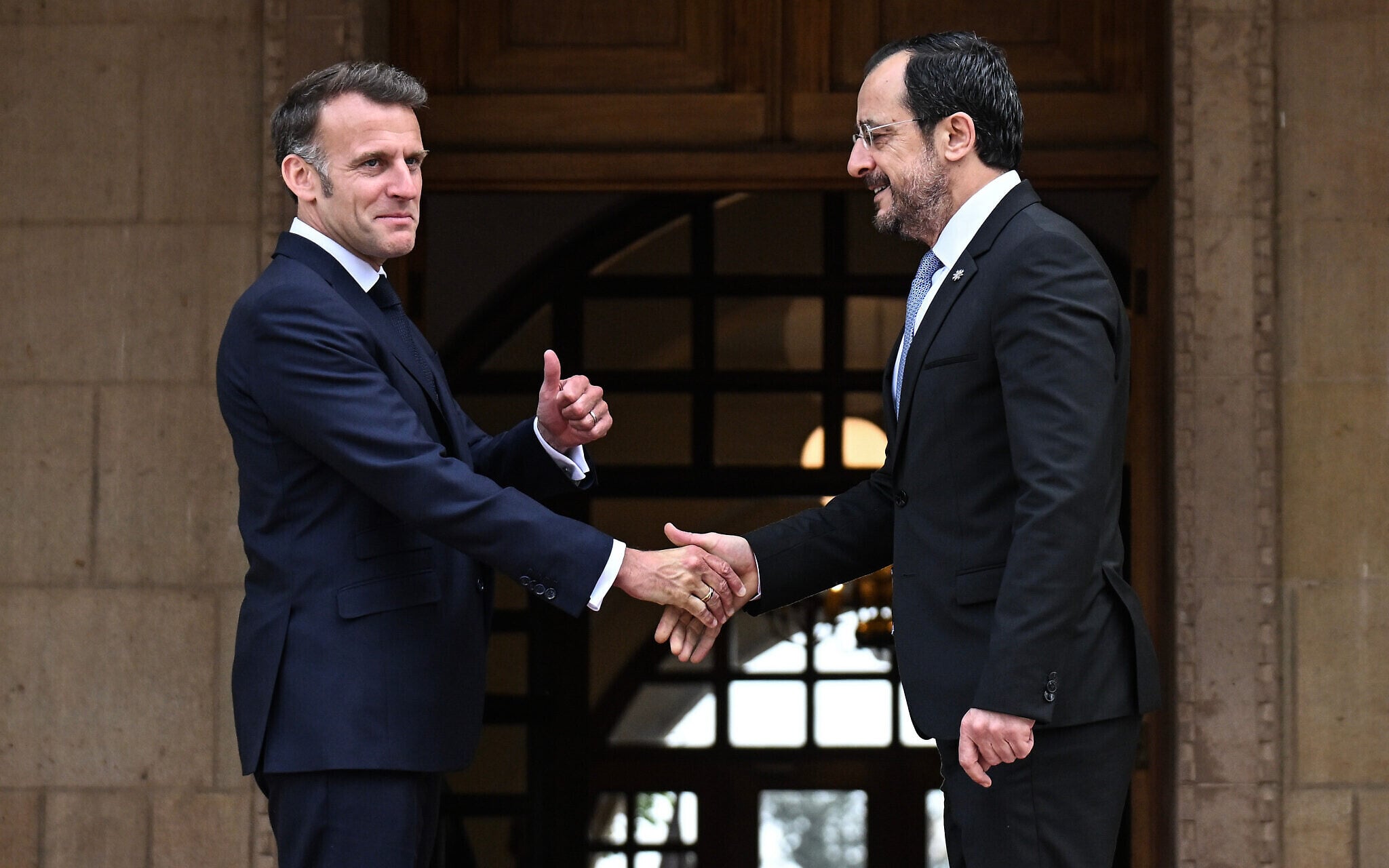
French President Emmanuel Macron said Thursday that he was willing to host a conference on rebuilding southern Lebanon and supporting Lebanon’s army, which under the 2024 agreement is required to disarm Hezbollah.
Macron said after talks with Cypriot counterpart Nikos Christodoulides on Thursday that the conference would take place when Lebanon deems it appropriate.
The conference would also aim to release additional European funding. Macron said he and Christodoulides support the idea of a European Union partnership agreement with Lebanon.
In an interview with French broadcaster franceinfo, French Foreign Minister Jean-Noel Barrot said Paris had played a key role in initiaiting talks between Israel and Lebanon and securing the current 10-day ceasefire.
“Without France’s intervention, there would likely not be a ceasefire in Lebanon today, and likely no discussions between Israelis and Lebanese,” said Barrot, despite France’s absence from the negotiations in Washington.
Despite US and Israeli claims to the contrary, Barrot also said the US-Iran ceasefire “covers Lebanon,” and argued that it was “illusory” to believe Hezbollah could be disarmed through force alone. Barrot called instead for high-level dialogue with the Lebanese government.
Addressing France’s absence from the talks, Barrot said Paris had been instrumental in bringing the sides to the table. He pointed to his own visits to Beirut and Jerusalem, and also efforts by Macron, who he said alerted Trump to the scale of the unprecedented strikes Israel carried out in Lebanon just hours into the Iran ceasefire.
Leiter, the Israeli negotiator, said earlier this month that Israel prefers to keep France “as far away as possible” from the negotiations.
Lebanon discusses joining ICC after accusing Israel of war crimes
Lebanon’s Deputy Prime Minister Tarek Mitri said ministers on Thursday discussed joining the International Criminal Court, a permanent tribunal that prosecutes individuals for war crimes, crimes against humanity and genocide, for “a specific period.”
The move would mark a significant shift for Lebanon, which is not a member of the court. Mitri said the move would enable the ICC to “look into war crimes and humanitarian crimes which were committed on Lebanese territory.”
Lebanon has accused Israel of war crimes and and repeated breaches of international law during the latest war with Hezbollah.
Lebanese Prime Minister Nawaf Salam accused Israel of targeting journalists and obstructing relief efforts after the killing Wednesday of two journalists working for a pro-Hezbollah daily.
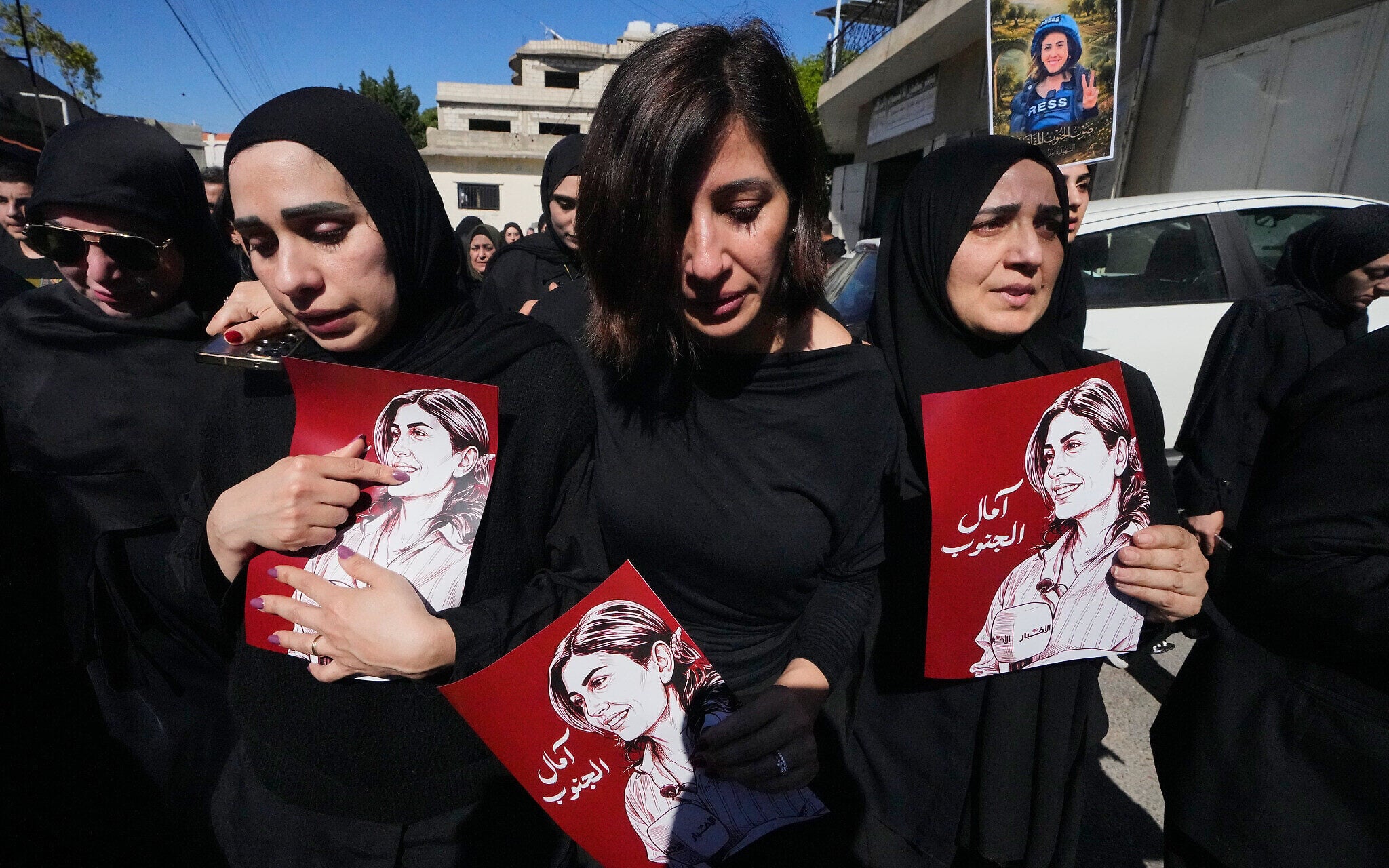
Salam, a former president of the International Court of Justice, said Israel’s actions constituted “war crimes” and that “Lebanon will spare no effort in pursuing these crimes before the relevant international bodies.”
The IDF said it was targeting Hezbollah operatives who crossed the military’s “forward defense line” in southern Lebanon and that the incident was “under review.”
The military denies targeting journalists and says it takes steps to mitigate harm to civilians.

