

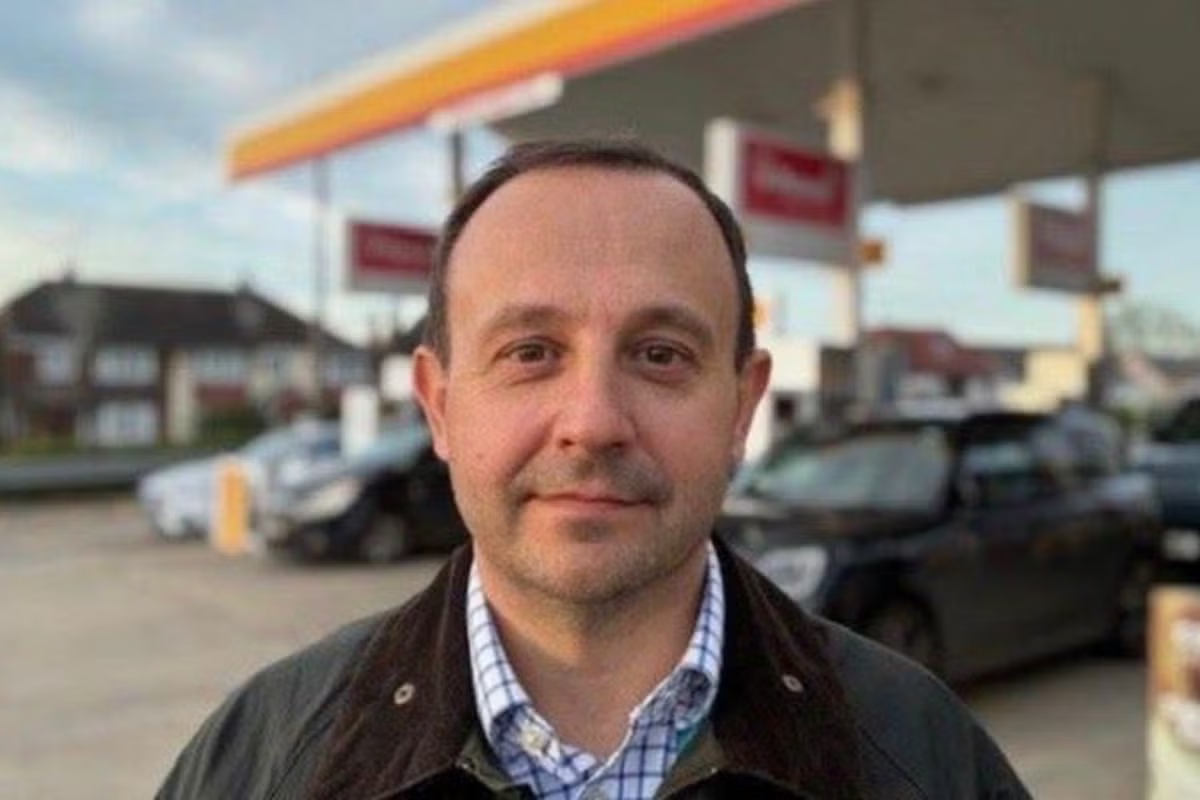
“If someone steals £100 worth of fuel, it’s absolutely a straight loss for us,” Goran Raven said.
Speaking from his Shell garage in Romford, east London, Mr Raven said he’s lost around £2,000 to fuel theft since the war between Iran and the US and Israel broke out on 28 February.
Higher pump prices in the wake of the Iran war have meant his fourth-generation family-run business has suffered a significant blow as more people take off without paying.
He said his site saw the highest rates of petrol theft in the first two weeks of the conflict. Mr Raven added: “It was as though the criminal element of society were preparing themselves for the worst.
“There was a point where I was thinking to myself, if prices keep rising, thefts keep rising, and this goes on for much longer, I have to start looking at redundancies.
“It has a really big impact, because it’s coming at a time when the prices are rising, and fuel sales are declining and slowing down.”
The closure of the Strait of Hormuz in March due to the war has caused disruption to global shipping and has stopped the flow of a fifth of the world’s oil supply.
On UK forecourts, the average price of a litre of diesel is 191.2p, up 49p from when the war began, while the price of a litre of petrol is 158.1p, an increase of 25p.
Mr Raven believes the people stealing his petrol assume they are stealing from his fuel supplier, Shell. But because he runs a franchise, it comes out of his pocket.
“This is me paying my staff, this is me paying for things for my family,” he said. “I cannot get insured against that, there’s no one else it comes down to.”
Family-run forecourts have been hit hard by increasing petrol thefts, which are up 27 per cent at petrol stations across the UK, according to some reports, with others suggesting the figure could be as high as 62 per cent. Campaigners have warned the surge could cost the forecourt sector more than £100m a year.
“On one day, you could lose £200 or £300 worth of fuel,” Mr Raven said. “You’ll get vehicles all coming in at once, and suddenly, within a space of two or three minutes, they’ve all left the forecourt, and you’re sitting there going, ‘Oh blimey, there’s the best part of £300 worth of fuel unpaid for’, and it’s a bit like saying I’ve just wiped out my entire morning’s trade.
“We do have a lot of people who come in and say they’ve forgotten their wallet. I would say about 80 per cent of the people, when you say, ‘I’ve got to take a picture of you,’ they find their wallet, find a card, find some cash in their back pocket.”
Guy White, who owns Laurels service station in Horncastle, Lincolnshire, said he has seen “a massive increase in fuel theft”.
“It’s very stressful. It’s seven days a week, 13 hours a day, worrying that somebody’s stealing what you own,” he said.
They have operated their family business since 1963, and were previously experiencing fuel theft once a week. It is now a daily occurrence at their site, Mr White said.
“It’s costing us around about £400 a week at the moment,” he added, which is “massive” for his family.
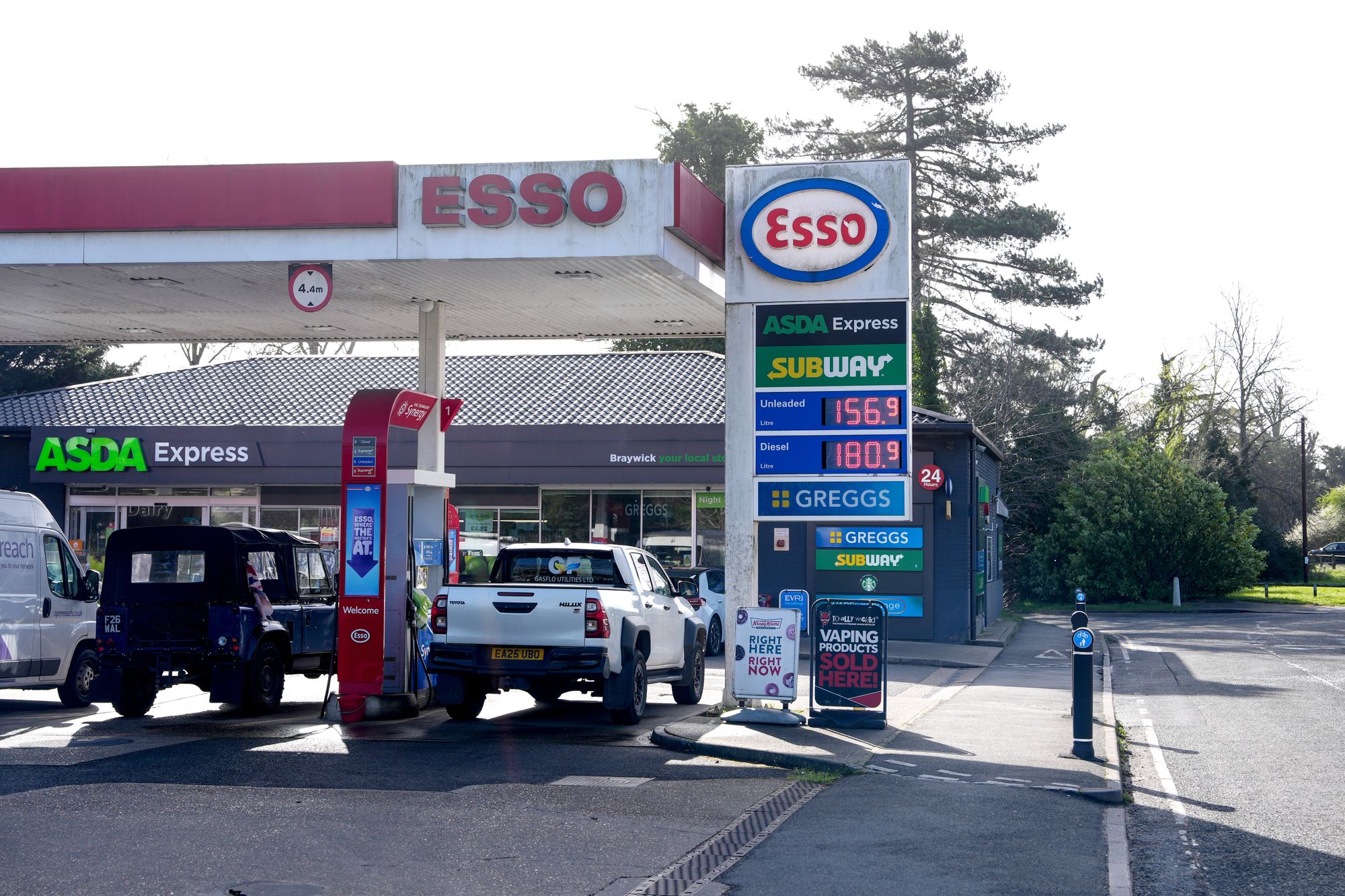
Mr White uses an automatic number plate recognition system from forecourt security firm VARS Technology, which flags to staff when blacklisted vehicles, which have previously been used to steal fuel, arrive at the station.
But one of the biggest issues they are facing is drivers using fake or stolen number plates to prevent being caught.
Gordon Balmer, the executive director of the Petrol Retailers Association, said many people who steal fuel view it as a “victimless crime”.
“They look at the pole sign and think it’s a BP site or a Shell site and they can afford it, they’ve got plenty of money. But the independent [retailers] have a fuel supply agreement with a branded fuel supplier, and it’s the family business that operates that forecourt that has to pay,” he said.
In some cases, people will drive off without paying and in other instances, they will claim to have “no means of payment”, a tactic which has increased by 22 per cent, according to Forecourt Eye, which specialises in crime prevention for the petrol industry.
“A lot of the people that are doing this are in financial straits because of the high pump prices,” Mr Balmer said.
🚨 BREAKING: Watch the full clip here ➤

