

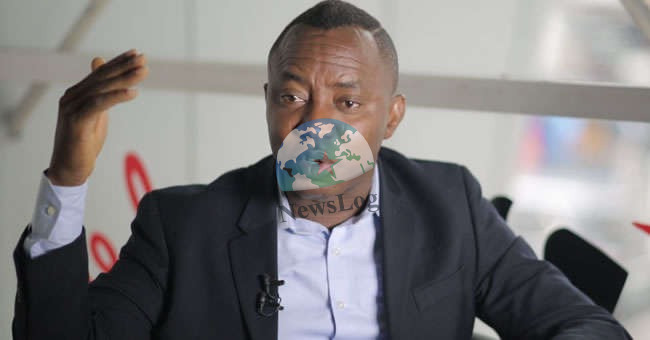
According to a report by Daily Post on Thursday, April 23, 2026, activist and former presidential candidate, Omoyele Sowore, has raised concerns over the impact of the federal government’s fuel subsidy removal policy, questioning its effectiveness in improving the economic situation of Nigerians.….......
Speaking during a radio programme, Sowore argued that the policy has not delivered the expected benefits and has instead contributed to increased hardship among ordinary citizens across the country.
He made these remarks on Thursday while featuring on ‘Frontline,’ a current affairs programme aired on Eagle 102.5 FM in Ilese Ijebu, Ogun State.
During the discussion, Sowore examined the broader implications of the subsidy removal, particularly its effect on living standards, purchasing power, and the general economic wellbeing of the population.
He maintained that the policy shift has not translated into visible improvements in key sectors that directly affect daily life.
Sowore stated that many Nigerians have experienced increased financial pressure since the removal of the subsidy, noting that rising costs of fuel have had a direct impact on transportation, food prices, and other essential goods and services.
He explained that these rising costs have placed additional strain on households, especially those with limited income, making it more difficult for them to meet basic needs.
According to him, the anticipated relief or economic balance that was expected to follow the policy has not materialised.
He also expressed concern about the broader economic indicators, including the performance of the national currency and the rate of inflation.
Sowore argued that the value of the naira has declined significantly, which he described as a reflection of deeper economic challenges.
He added that inflation has continued to rise, affecting the cost of living, while wage levels have not kept pace with these changes, thereby widening the gap between income and expenses for many Nigerians.
In addition, Sowore highlighted the issue of government borrowing, stating that increased debt levels have compounded the economic situation.
He suggested that the combination of inflation, borrowing, and stagnant wages has created a difficult environment for both individuals and businesses.
He noted that these factors collectively influence economic stability and shape public perception of government policies.
Sowore further argued that the removal of the subsidy was introduced with assurances that it would lead to improvements in infrastructure, social services, and overall economic development.
However, he maintained that these expected outcomes have not been clearly visible to the public.
He pointed out that many citizens are yet to see significant changes in areas such as roads, healthcare, and education that were often linked to the anticipated benefits of the policy.
He also suggested that the effects of the policy appear to have been uneven, with some groups experiencing more impact than others.
According to him, while a small segment of the population may have adapted more easily, a larger portion of Nigerians continue to face economic challenges.
He described this situation as one that raises questions about the distribution of benefits and the overall effectiveness of the reform.
He said, “I ask again, who has benefited from the removal of subsidy? If you know anybody, please point them to me. Apart from the 1% people who dominate the political and economic stage.”
🚨 BREAKING: Watch the full clip here ➤

